Recipe
Servings
Servings 1×
Ingredients
- Black beans
- Beans
- Quinoa
- Tortillas
- Greens
- Corn
- Tomatoes
- Onion
- Lime
- Cooking oil
- Soy sauce or tamari
- Black pepper
Method
- Prepare the ingredients described in the article and heat the cooking surface or oven as directed.
- Cook the main ingredients using the heat and timing guidance in the article.
- Finish with the seasonings and garnishes named in the article, then serve.
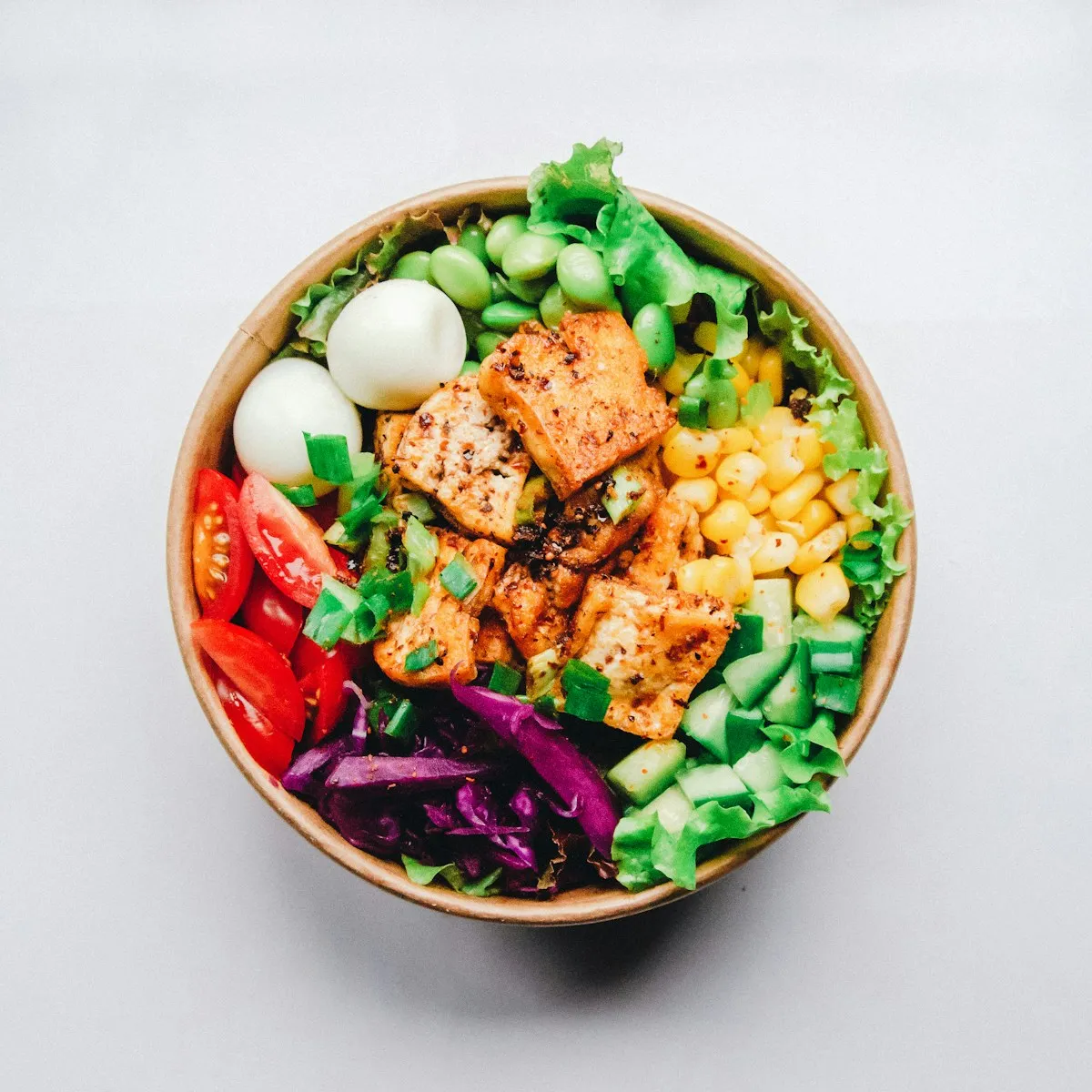
If you think a five-ingredient meal is just a "struggle plate" destined for mediocrity, you haven't applied the right thermal and chemical principles to your pantry. I’m here to show you how a few cans of beans and a stack of tortillas can become a masterclass in flavor architecture. This isn't just one of those quick family meals you settle for; it’s a deliberate manipulation of starch and protein to achieve maximum satisfaction on a minimalist budget.
The Molecular Strategy: Maillard, Pectin, and pH
To turn basic legumes into a gourmet filling, you need to understand what’s happening at the molecular level. Most people just dump beans into a pot and wait. You’re not most people. We’re aiming for a specific texture: a creamy interior with skins that offer just enough resistance to provide a structural snap.
First, let’s talk about the Maillard reaction. This is the chemical dance between amino acids and reducing sugars that occurs at temperatures above 140°C (285°F). Since you’re likely using canned beans for efficiency, they’ve already been boiled, which caps the temperature at 100°C. To unlock deep, savory notes, you must introduce high-heat sautéing. By browning your aromatics: usually onions: until they reach a deep amber, you’re creating a complex base of volatile flavor compounds. Use a wide skillet to maximize surface area contact; more contact means more browning.
Next is the science of pectin and pH. The cell walls of black beans are held together by pectin. If you introduce acid too early: like a squeeze of lime or a splash of vinegar: the pectin will stabilize, and your beans will remain stubbornly tough regardless of how long you cook them. Conversely, an alkaline environment (like a tiny pinch of baking soda) would turn them into mush. My firm advice: keep the environment neutral while you’re integrating the beans with your aromatics, and save that lime juice for the final, off-heat finishing stage.
Finally, we have emulsification. As you sauté the beans, some will inevitably burst. The released starches, when stirred with the fat in your pan and a splash of bean liquid or water, create a temporary emulsion. This is the same principle I discuss in my guide on achieving the perfect glossy sauce. This starchy "slurry" coats the whole beans, giving you a rich, luxurious mouthfeel without needing expensive creams or cheeses.
High-Impact Variations
Once you’ve mastered the core physics of the bean-to-taco pipeline, you can start experimenting with structural variations. These are great healthy dinner ideas that keep your kitchen efficient.
- The Textural Contrast Build: Swap soft tortillas for charred ones. Use a gas flame or a very hot dry skillet to induce localized carbonization on the corn tortillas. This adds a bitter, smoky note that cuts through the earthy richness of the beans.
- The Umami Booster: If you have an extra "budget" ingredient slot, add a teaspoon of tomato paste or soy sauce during the onion-browning phase. The tomato paste, when fried, undergoes further concentration of sugars and glutamate, significantly increasing the "meatiness" of the final dish.
- The Crunchy Element: Instead of fresh onions, use pickled red onions. The acetic acid in the pickling liquid doesn't just add flavor; it provides a crisp texture that contrasts the creamy bean interior, a phenomenon known as organoleptic contrast.
Precision Side Dish Pairings
A taco is a self-contained unit of flavor, but the right pairing can elevate the entire experience by balancing the macronutrient profile and the pH of the meal.
- Cilantro-Lime Slaw: Use shredded cabbage. Cabbage is high in cellulose, which provides a durable crunch that doesn't wilt quickly. When tossed with lime juice (acid) and a touch of oil (fat), it creates a bright, refreshing counterpoint to the dense, starchy beans.
- Charred Peppers: If you're looking for more air fryer recipes dinner enthusiasts would love, try tossing some bell pepper strips into the air fryer at 400°F for 8 minutes. The rapid air circulation creates "blisters" on the skin, mimicking a grill and adding a sweet, smoky layer to your meal. You can see similar high-heat techniques in my sausage and pepper onion medley.
- Quick Pico de Gallo: The combination of fresh tomatoes and onions provides a raw, enzymatic heat and acidity that cuts through the cooked fat of the beans.
The Science FAQ: Solving Taco Troubles
Why do my beans feel "grainy" even after cooking?
This is usually a result of starch retrogradation or the age of the beans. If you’re using dried beans that have sat in the pantry for years, the cell walls may have become so dehydrated that they are practically fossilized. For canned beans, a grainy texture usually means the starches didn't fully gelatinize. Ensure you’re bringing the mixture to a vigorous simmer with a bit of liquid before you start the mashing process.
Can I make these ahead of time?
Absolutely, but be aware of the "staling" of starch. As beans cool, the starch molecules realign into a more rigid structure (retrogradation). When reheating, you must add a splash of water and apply heat to "melt" those starch crystals back into a creamy state. Don't just microwave them dry; you'll end up with bean pebbles.
Is the air fryer useful for taco night?
While the beans themselves are a skillet affair, the air fryer is a literal cheat code for the shells. If you want crispy "hard" tacos without the deep-frying mess, spray your tortillas with a light coating of oil and hang them over the rungs of an air fryer rack. The convection heat will set the starch in a curved shape, giving you that perfect crunch. It’s one of those quick family meals hacks that feels like professional catering.
Why is the color of my beans turning grayish?
Black beans get their color from anthocyanins, which are pH-sensitive pigments. In a neutral or slightly alkaline environment, they stay dark. If you add a heavy amount of acid too early, they can shift toward a duller, reddish-gray. To keep them looking vibrant and "black," wait until the very end to add your citrus.
Can I use this filling for other healthy dinner ideas?
Yes. The same science applies if you want to turn this into a bowl. Use the creamy beans as a base and top with a grain like quinoa or farro. The goal is always the same: balance your starches with acidity, your soft textures with crunch, and never, ever skip the Maillard browning phase. For more technical comfort food, check out my kielbasa and pierogi air fryer roast.