Recipe
Servings
Servings 1×
Ingredients
- Beans
- Pasta
- Noodles
- Mushrooms
- Apple
- Onion
- Garlic
- Lemon
- Tahini
- Cream
- Butter
- Cooking oil
- Chili seasoning
Method
- Prepare the ingredients described in the article and heat the cooking surface or oven as directed.
- Cook the main ingredients using the heat and timing guidance in the article.
- Finish with the seasonings and garnishes named in the article, then serve.
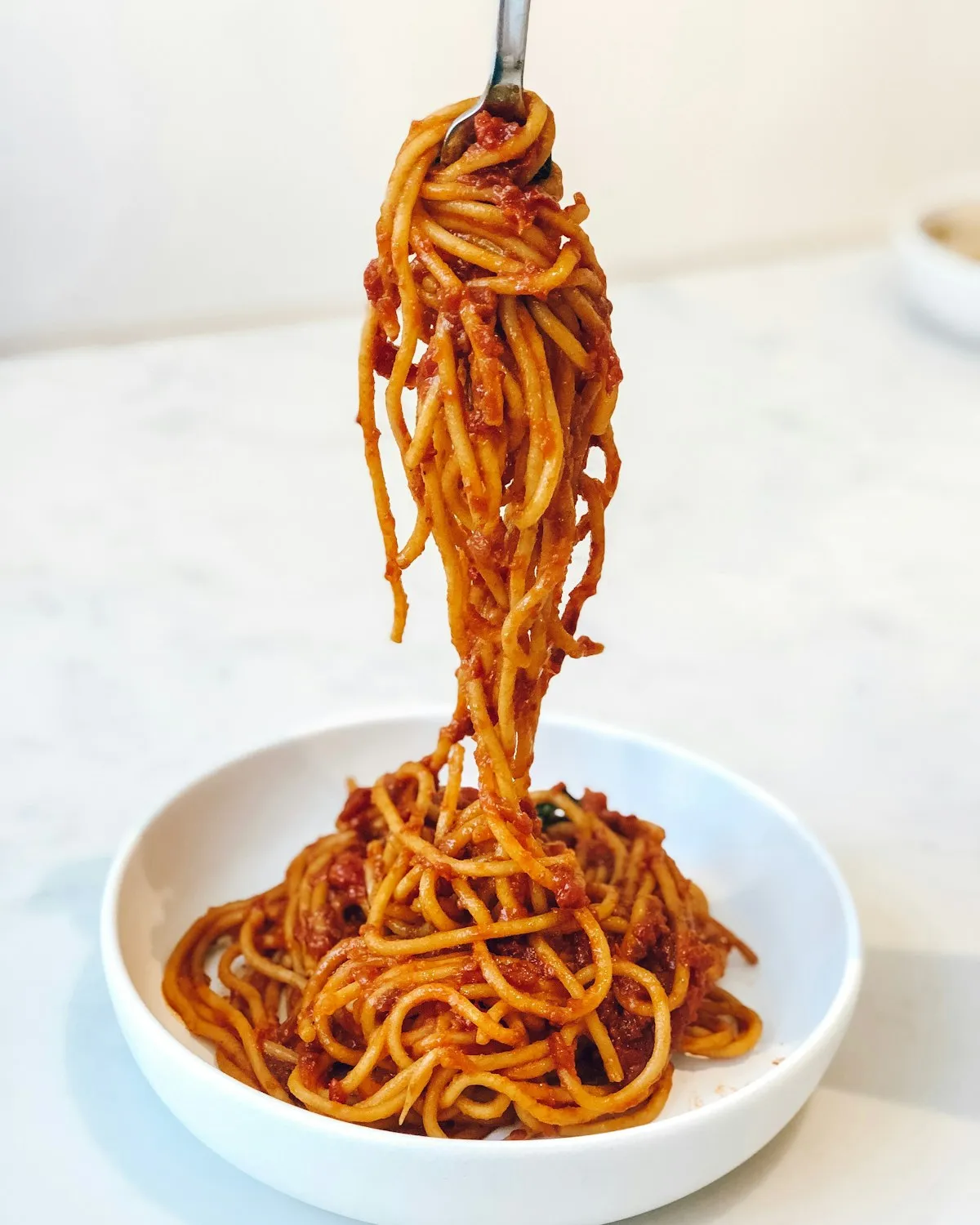
If you have ever stared at a can of pumpkin purée and wondered how it could possibly transform into a velvety, restaurant-quality sauce without a drop of heavy cream, you are in the right place. Most people treat pumpkin like a dense, sweet pie filling, but in my blog, we treat it as a masterclass in plant-based emulsification. Creating a luxurious mouthfeel without dairy isn't magic; it is chemistry. This recipe is one of my favorite plant-based dinner ideas because it turns humble pantry staples into a sophisticated, soul-warming meal that feels like a hug in a bowl.
The Science of the Perfect Emulsion
Achieving that "glossy" finish on your noodles is the hallmark of professional-grade simple pasta recipes. The secret lies in understanding the relationship between the water phase and the fat phase of your sauce. In this pumpkin-based sauce, the pumpkin purée acts as a natural stabilizer. Pumpkin contains pectin and soluble fibers that swell when heated, creating a viscous network that prevents your fat (like olive oil or vegan butter) from separating and turning greasy.
To maximize this effect, focus on the "high-shear" mixing stage. When you combine your pumpkin base with your fat source and aromatics, whisk vigorously. You are physically breaking the fat into microscopic droplets that become suspended in the water-based pumpkin purée. If you want an even silkier result, use an immersion blender. This reduces the particle size of the pumpkin fibers, leading to a smoother colloidal suspension that feels richer on the tongue.
Don’t forget the role of starch. Much like in my guide on achieving the perfect glossy sauce, the "liquid gold" or starchy pasta water is your best friend. As pasta boils, it releases amylose and amylopectin into the water. When you add a splash of this cloudy water back into your sauce, these starches act as secondary emulsifiers. They coat the fat droplets and increase the overall viscosity, ensuring the sauce clings to every ridge of your pasta rather than pooling at the bottom of the bowl.
Let's talk about sage because it is more than just a garnish. Sage’s flavor profile is dominated by fat-soluble compounds like thujone and camphor. To truly unlock its "cozy" autumnal aroma, you must sauté the leaves in fat before adding any liquids. This process, known as blooming, draws the essential oils out of the leaf and into the oil, which then carries that flavor throughout the entire dish. Use fresh sage whenever possible; the volatile oils are much more vibrant than in the dried version, which can sometimes lean toward a "dusty" or medicinal flavor if not handled carefully.
Mastering the Technique
- Sauté your aromatics slowly. Use low to medium heat to soften your onions and garlic without browning them. You want sweetness, not the bitter notes that come from charred garlic.
- Bloom the sage early. Toss the leaves into the warm oil for at least a minute before adding the pumpkin. Watch for them to turn slightly crisp: this is the sweet spot where the flavor has fully infused into the fat.
- Reserve more pasta water than you think you need. I always tell people to save at least a full cup. You won’t use it all, but having it on hand allows you to adjust the "nappe" consistency (the ability of the sauce to coat the back of a spoon) right at the very end.
- Use an acid to finish. Plant-based sauces can sometimes feel "flat" because they lack the natural lactic acid found in dairy. Add a tiny splash of lemon juice or apple cider vinegar just before serving. This isn't enough to make the dish sour; it simply "lifts" the heavy flavors and makes the pumpkin taste more like pumpkin.
- Avoid over-reducing. If you simmer the sauce for too long, the water evaporates and the emulsion can break, leaving you with a pasty, thick mess. If it gets too thick, use that reserved pasta water to bring it back to life.
Creative Variations to Try
The beauty of simple pasta recipes is their versatility. If you find the basic pumpkin and sage combo a bit too sweet, try these scientific tweaks to balance the profile:
- The Umami Bomb: Stir in a tablespoon of nutritional yeast or a teaspoon of white miso paste. These ingredients are packed with glutamates, which provide that "savory" depth that often goes missing in vegan cooking.
- The Texture Contrast: If you prefer a bit of bite, sauté some sliced cremini mushrooms separately until they are deeply browned (Maillard reaction in full effect!) and fold them in at the end. This adds a meaty texture and earthy notes that complement the sage perfectly.
- The Protein Boost: For a more satiating plant-based dinner ideas option, blend half a can of white cannellini beans directly into the pumpkin sauce. The beans provide extra starch and protein, making the sauce even creamier while turning the dish into a complete meal.
- The Spicy Kick: Balance the sweetness of the pumpkin with red chili flakes or a pinch of cayenne. Capsaicin provides a heat that cuts through the richness of the fat, making each bite more exciting.
Perfect Side Dish Pairings
When pairing sides with a rich, creamy pasta, you want to focus on acidity and crunch. The pumpkin sauce is soft, sweet, and fatty, so your palate will crave something sharp and crisp to reset.
A simple arugula salad with a lemon-tahini dressing is my go-to. The peppery bite of the arugula and the citrus in the dressing slice right through the creamy pumpkin. Alternatively, try some roasted Brussels sprouts. If you have an air fryer, you can whip these up quickly, similar to the efficiency of an air fryer vegetable medley. The charred, crispy leaves of the sprouts provide a much-needed textural contrast to the smooth pasta. If you’re feeling fancy, top the pasta with toasted walnuts or pumpkin seeds (pepitas) to add a final layer of crunch and healthy fats.
Frequently Asked Questions
Why did my sauce turn grainy or clumpy?
This usually happens if the pumpkin purée wasn't fully incorporated or if the sauce was boiled too vigorously. High heat can cause the proteins in the plant milk or the fibers in the pumpkin to tighten and clump. To fix this, turn the heat down to low, add a splash of warm pasta water, and whisk (or blend) until smooth.
Can I use fresh pumpkin instead of canned?
Absolutely, but keep the moisture content in mind. Fresh roasted pumpkin usually has more water and a less concentrated flavor than canned. You may need to simmer it a bit longer to achieve the same thickness, or use a little less pasta water during the final emulsification. Ensure you blend fresh pumpkin until it is completely smooth before adding it to your aromatics.
What is the best pasta shape for this sauce?
Go for shapes with "sauce-catching" potential. Rigatoni, fusilli, or conchiglie (shells) are ideal because the creamy sauce can get trapped in the ridges or the hollow centers. Long noodles like fettuccine work too, but you’ll need to ensure your emulsion is thin enough to coat the strands without clumping.
How do I reheat leftovers without the sauce separating?
The "broken" sauce is a common issue with cold pasta. As the dish cools, the starch sets into a gel and the fats solidify. To revive it, do not just microwave it on high. Place the pasta in a skillet with a splash of water or plant milk. Heat gently over low heat, stirring constantly to re-emulsify the fats into the liquid.
Is there a substitute for sage?
If sage isn't your thing, fresh thyme or rosemary are excellent alternatives. They are also rich in fat-soluble aromatics, though they provide a more "piney" or "floral" scent compared to the earthy, musky profile of sage. Just remember to sauté them in the oil first to get the most bang for your buck!