Recipe
Servings
Servings 1×
Ingredients
- Chicken
- Lentils
- Chickpeas
- Pasta
- Noodles
- Bread
- Potatoes
- Broccoli
- Asparagus
- Peas
- Apple
- Onion
- Garlic
- Lemon
- Lime
- Tahini
- Cream
- Butter
Method
- Add a tablespoon of olive oil or butter immediately.
- Keep your heat at a gentle simmer rather than a rolling boil.
- Use the box instructions as a loose guide, but start tasting at least two minutes before the minimum time suggested.
If you’ve ever stared at a box of chickpea or red lentil pasta and wondered if it would actually taste like a "real" meal, you aren't alone. Switching from traditional wheat to pulse-based noodles is a game-changer for hitting your protein goals, but if you treat them like standard spaghetti, you’re headed for a mushy disaster. I’ve spent way too much time cleaning "pasta foam" off my stovetop so you don’t have to. Mastering one pot meals using these protein-packed alternatives isn't just about convenience; it’s about understanding the science of how these legumes behave in hot water.
The Science of the Simmer: Why Pulse Pasta is Different
Cooking pulse pasta is nothing like boiling traditional semolina. Because these noodles are made from ground legumes, think chickpeas, lentils, or yellow peas, they lack the gluten network that gives wheat pasta its structural integrity. Instead, they are loaded with protein and fiber, which completely changes how they interact with liquid. When you use the absorption method in a single pot, you aren't just boiling noodles; you are creating a self-thickening sauce fueled by the pasta’s own starch and protein release.
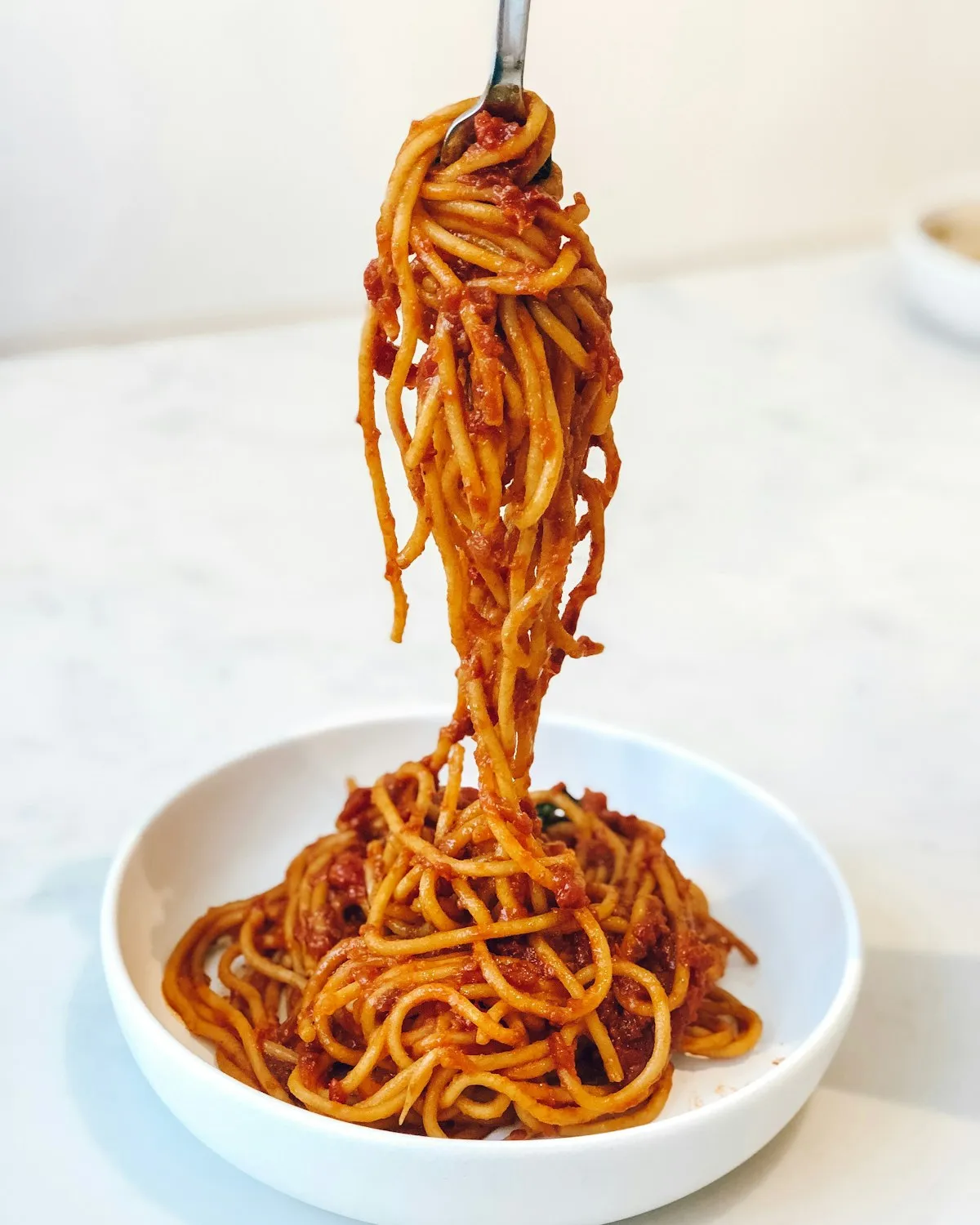
Watch the Foam and Manage the Heat
One of the first things you’ll notice is the "foam." Legumes contain saponins, which are natural compounds that create a soapy-looking froth when agitated in boiling water. In a traditional big pot of water, you’d just skim this off or let it overflow. In one-pot simple pasta recipes, you must control this from the start. Add a tablespoon of olive oil or butter immediately. This fat breaks the surface tension of the water and keeps the bubbles from climbing out of the pot. Keep your heat at a gentle simmer rather than a rolling boil. A violent boil will bash these delicate noodles against each other, causing them to break apart before they are even cooked through.
Mastering the Liquid-to-Pasta Ratio
The biggest mistake you can make is using too much water. Unlike wheat pasta, which you drain, the absorption method requires a precise ratio. Aim for roughly 2.2 to 2.5 times the weight of the pasta in liquid. If you use 100 grams of pasta, use about 220–250 milliliters of broth or water. You want the noodles just barely submerged. As the pasta hydrates, it will soak up over 100% of its weight in liquid. This is where the magic happens: the starches that usually disappear down the drain instead stay in the pot, emulsifying with your fats and aromatics to create a creamy, glossy sauce without needing heavy cream.
The "Under-Cook and Rest" Technique
Pulse pasta has a very narrow window of perfection. It goes from "crunchy" to "mush" in about sixty seconds. Use the box instructions as a loose guide, but start tasting at least two minutes before the minimum time suggested. Stop the heat when the pasta is just slightly firmer than you want it. Turn off the burner, cover the pot, and let it rest for three to five minutes. This carry-over cooking allows the core of the noodle to finish hydrating while the sauce thickens into a cohesive coating. If it looks too thick after the rest, stir in a splash of hot broth to loosen it back up.
Flavor Variations: Balancing the Earthiness
Pulse noodles have a distinct, earthy flavor that can be polarizing if not balanced correctly. To turn these into truly quick healthy meals, you need to lean into acidity and heat to cut through that dense legume base.
- The "Fricy" Profile: Focus on a combination of acid (lemon juice or red wine vinegar) and heat (crushed red pepper flakes). This brightness lifts the "heavy" taste of chickpea or lentil flour.
- The Umami Boost: Use chicken or vegetable broth instead of plain water. Since the pasta absorbs the liquid it cooks in, using a seasoned broth ensures every bite is flavorful from the inside out.
- Aromatic Bases: Always toast your garlic, onions, or tomato paste in a bit of oil before adding the liquid and pasta. This creates a flavor foundation that helps the pasta integrate with the sauce rather than just sitting on top of it.
- Texture Contrast: Since pulse pasta is naturally softer, finish your dish with something crunchy like toasted pine nuts, hemp seeds, or even a handful of crispy air-fried chickpeas.
If you are looking for more inspiration on how to build these types of flavor profiles, check out my guide on achieving the perfect glossy sauce which applies many of these same principles to traditional noodles.
The Perfect Side Dish Pairings
Because pulse pasta is incredibly dense in fiber and protein, you don't need a heavy side. You want to aim for high-contrast pairings that provide a "crunch" or a "zing" to reset your palate between bites of the rich, starchy pasta.
Avoid starchy sides like garlic bread or potatoes; you already have plenty of complex carbohydrates in the bowl. Instead, reach for a zesty arugula salad dressed in a sharp lemon-tahini vinaigrette. The peppery bite of the arugula is the perfect foil for the creaminess of a one-pot chickpea fusilli. Alternatively, a quick slaw of shaved fennel and apple can provide the acidity needed to balance the meal. If you’re in the mood for something warm, consider a side of quick-charred broccoli or asparagus seasoned with nothing but salt and a heavy squeeze of lime.
FAQ: Solving the Pulse Pasta Puzzle
Why does my chickpea pasta always turn into a pile of mush?
This is almost always due to overcooking or over-stirring. Pulse pasta lacks gluten, meaning there is no "glue" holding the structure together once it gets too hot. Avoid a rolling boil; a gentle simmer is your friend. Most importantly, remember the "rest" period. If you cook it until it’s soft while the heat is still on, it will inevitably collapse into mush by the time it hits your plate.
Can I use long noodles like spaghetti for the one-pot method?
You can, but I don't recommend it for beginners. Long pulse noodles are notorious for clumping together into a single, giant noodle brick. Short shapes like fusilli, penne, or shells have more surface area and "gills" that help them stay separate and hold onto the sauce. If you must use spaghetti, you have to stir constantly for the first three minutes to prevent sticking.
Why is there so much foam when I cook lentil pasta?
That foam is caused by proteins and saponins leaching out of the lentils. It’s completely harmless, but it can boil over and create a mess. To fix this, use a wider pot than you think you need and add a splash of oil. The oil coats the surface of the water and prevents the bubbles from stabilizing into a giant foam tower.
Can I reheat one-pot pulse pasta the next day?
Pulse pasta is famous for "tightening up" in the fridge. It will absorb every drop of leftover moisture overnight. To reheat, avoid the microwave if possible. Instead, put it back in a pan with two or three tablespoons of water or broth. Heat it gently over medium-low, stirring occasionally, until the sauce emulsifies again and the noodles are heated through.
Do I need to salt the water if I’m using broth?
Yes, but be careful. Since you aren't draining the water, every grain of salt you add stays in the dish. Taste your broth first. If it's low-sodium, add a pinch of salt to the liquid at the start of cooking. Salting the liquid allows the seasoning to penetrate the pasta as it hydrates, which is much more effective than salting the finished dish.
{“@type”:”BlogPosting”,”image”:”https://cdn.marblism.com/woSk8byYKum.webp”,”author”:{“name”:”Cookpedia”,”@type”:”Organization”},”@context”:”https://schema.org”,”headline”:”Simple Pasta 101: A Beginner’s Guide to Mastering One-Pot Pulse Noodles”,”keywords”:”simple pasta recipes, one pot meals, quick healthy meals, pulse pasta, chickpea pasta tips”,”publisher”:{“logo”:{“url”:”https://cookpedia.com/logo.png”,”@type”:”ImageObject”},”name”:”Cookpedia”,”@type”:”Organization”},”description”:”Master the art of cooking one-pot pulse pasta with this beginner’s guide. Learn the science of absorption cooking, how to prevent mushy noodles, and the best flavor variations for chickpea and lentil pasta.”,”datePublished”:”2026-05-19″,”mainEntityOfPage”:{“@id”:”https://cookpedia.com/simple-pasta-101-one-pot-pulse-noodles”,”@type”:”WebPage”}}