Recipe
Servings
Servings 1×
Ingredients
- Chicken
- Shrimp
- Tofu
- Chickpeas
- Black beans
- Beans
- Orzo
- Pasta
- Noodles
- Rice
- Zucchini
- Corn
- Avocado
- Onion
- Lemon
- Lime
- Balsamic vinegar
- Honey
Method
- Use a wide, shallow skillet rather than a tall stockpot when making quick family meals .
- Use the power of osmosis and acid.
- Give your ingredients room to breathe.
- Finish your dish with a splash of lemon juice or a hit of cold butter at the very end.
- Toss it into a skillet with some charred corn, lime, and black beans for a five-minute dinner that tastes like you spent an hour over the stove.
- Stir frequently to prevent the noodles from sticking together, and add your liquid incrementally.
When the thermometer hits ninety, the last thing you want to do is fire up a 400-degree oven and turn your kitchen into a sauna. I’ve been there, standing over a roasting pan, sweating into my sauvignon blanc, wondering why I didn't just order takeout. But you don't have to sacrifice a real meal just to stay cool. You can still whip up impressive, healthy dinner ideas using just a single pot and your stovetop (or a trusty countertop appliance). My rule for summer is simple: one pot, maximum flavor, zero sweat.
The Science of the Cool Kitchen: Stovetop Success
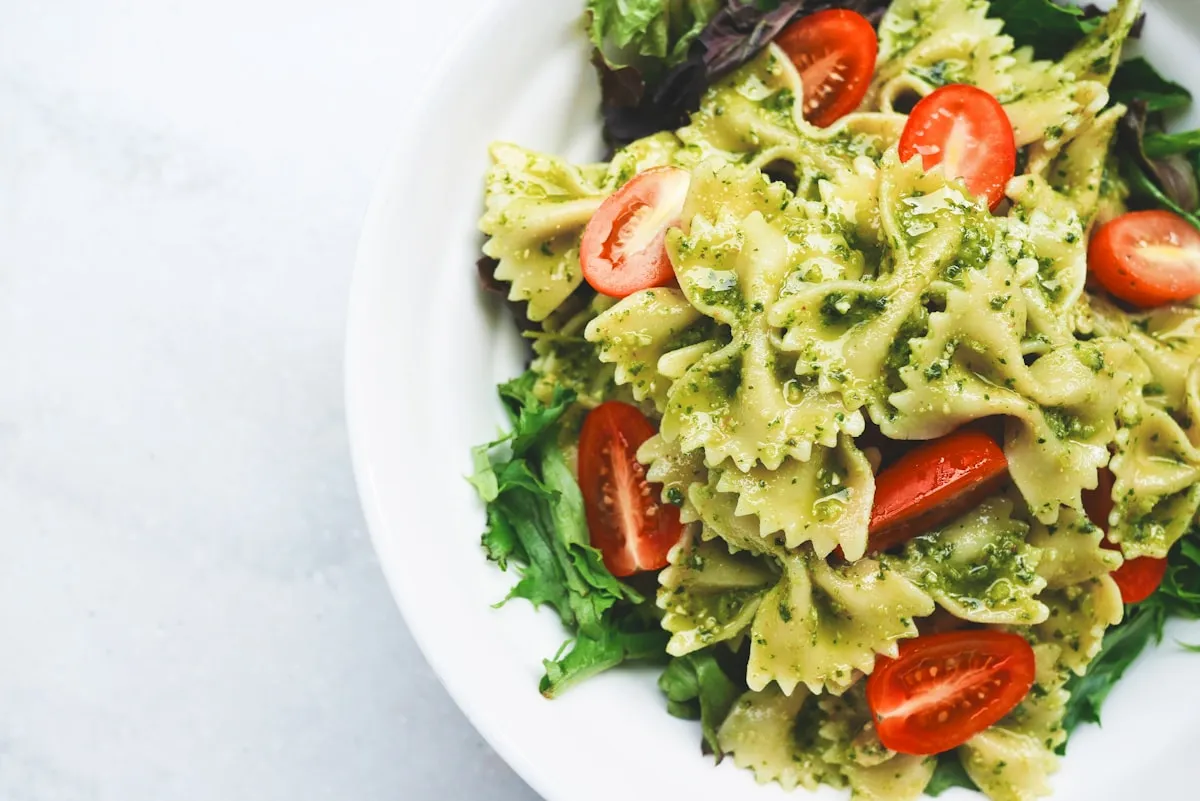
Mastering one-pot meals in the summer isn't just about convenience; it’s about managing thermodynamics. When you use an oven, you are heating a massive insulated box that eventually radiates that heat into your entire home. By sticking to a skillet or a pot on the stovetop, you keep the energy concentrated in a much smaller area.
Manage Your Moisture
The biggest challenge with one-pot cooking is moisture control. In the winter, we love a heavy, braised stew. In the summer, you want something light. Use a wide, shallow skillet rather than a tall stockpot when making quick family meals. A wider surface area allows for faster evaporation, which means your sauces thicken quickly without turning your vegetables into mush. If you’re making a stovetop pasta, use just enough liquid to cover the noodles. This creates a starchy, emulsified sauce that clings to the food rather than drenching it.
Leverage Non-Thermal Cooking
You don't always need high heat to "cook" your ingredients. Use the power of osmosis and acid. When you toss raw zucchini or thinly sliced peppers into a hot pot of pasta during the last sixty seconds of cooking, the residual heat and the salt in the water soften the cell walls just enough. This preserves the crunch and the vibrant color of your summer produce. This technique is a cornerstone of healthy dinner ideas because it retains more heat-sensitive vitamins than long boiling or roasting would.
Heat Transfer and Surface Area
If you're searing protein like shrimp or chicken strips, do not crowd the pan. Crowding leads to steaming, and steaming leads to grey, rubbery meat. Give your ingredients room to breathe. High-surface-area pans, like cast iron, are excellent at retaining heat, allowing you to get a quick Maillard reaction (that beautiful browning) in seconds. This means you can kill the heat sooner and let the residual energy finish the job while you step away from the burner.
The Power of One Pot Emulsions
The magic of one-pot cooking lies in the starch. When you cook pasta or rice directly in the sauce or a small amount of broth, the starch that usually gets drained away stays in the pot. This acts as a natural thickener. Finish your dish with a splash of lemon juice or a hit of cold butter at the very end. The acidity cuts through the richness, creating a balanced, professional-grade sauce without the need for heavy creams that weigh you down in the heat.
Swaps and Shortcuts for Busy Evenings
Summer is for relaxing, so stop overcomplicating things. If you have an air fryer, use it to handle the "heavy lifting" of proteins while you prep a cold grain base in your main pot. Some of the best air fryer recipes dinner enthusiasts swear by involve "one-basket" wonders where the protein and the veg finish at the exact same time. It’s essentially a one-pot meal for the modern age.
Swap out heavy starches for quicker options. Orzo and couscous are your best friends because they cook in under ten minutes. If you’re looking for quick family meals, lean on pre-cooked rotisserie chicken. Toss it into a skillet with some charred corn, lime, and black beans for a five-minute dinner that tastes like you spent an hour over the stove. For a plant-based twist, use canned chickpeas or extra-firm tofu. You don't need to press tofu for hours; a quick sear in a hot pan with a splash of soy sauce and honey is all it takes to build a flavor profile that rivals any takeout.
Perfect Pairings: Balancing the Heat
Even the most balanced one-pot meal benefits from a cold, crisp companion. Since your main dish is warm, your side should provide a temperature contrast. A simple arugula salad with a sharp balsamic vinaigrette is a non-negotiable when serving a rich stovetop pasta. The bitterness of the greens resets your palate between bites.
If you’ve gone the route of a spicy shrimp skillet or a zesty chicken dish, pair it with something hydrating. Sliced cucumbers with a dash of rice vinegar and sesame seeds provide a cooling effect that tames the heat. Avoid heavy, starchy sides like potato salad; they compete with the one-pot meal rather than complementing it. Instead, focus on acidity, think pickled onions, citrus-heavy slaws, or even a simple bowl of chilled melon. These elements provide the necessary "lift" to make a one-pot dinner feel like a light summer feast.
Summer One-Pot FAQ
Why is my one-pot pasta always gummy?
You are likely using too much water or not stirring enough. In a one-pot setting, the starch concentration is much higher than in a traditional boiling pot. Stir frequently to prevent the noodles from sticking together, and add your liquid incrementally. If it looks like a soup, you've gone too far. Aim for the liquid to be almost entirely absorbed by the time the pasta is al dente.
Can I use frozen vegetables in a one-pot meal?
Yes, but you must account for the extra water. Frozen veggies release moisture as they thaw, which can dilute your sauce and make everything soggy. Add them at the very end and increase the heat slightly to cook off the excess liquid quickly. Check our quick meals guide for more timing tips.
How do I get a good sear without making the kitchen smokey?
Use an oil with a high smoke point, like avocado or grapeseed oil. Avoid extra virgin olive oil for the initial sear, as it burns quickly and creates acrid smoke. Also, ensure your meat is bone-dry before it hits the pan. Moisture on the surface of the food causes steam, which prevents browning and creates more ambient heat in the kitchen.
Can I adapt air fryer recipes dinner for the stovetop?
Absolutely. Most things that work in an air fryer (which is essentially a small convection oven) will work in a covered skillet. You won't get the same 360-degree crispness, but you can achieve a similar result by searing and then covering the pan to create a mini-oven effect on your burner.
What if my sauce breaks or separates?
This usually happens because the heat is too high or you added cold dairy to a boiling liquid. Take the pot off the burner before whisking in cheese or cream. If it does separate, add a teaspoon of the starchy cooking water and whisk vigorously; the starch acts as a stabilizer to bring the emulsion back together.
{“@type”:”BlogPosting”,”image”:”https://cdn.marblism.com/ZA_OA5O8i7r.webp”,”author”:{“name”:”Penny”,”@type”:”Person”},”@context”:”https://schema.org”,”headline”:”Top 10 One-Pot Summer Meal Ideas (No Oven Required!)”,”publisher”:{“logo”:{“url”:”https://cookpedia.com/logo.png”,”@type”:”ImageObject”},”name”:”Cookpedia”,”@type”:”Organization”},”description”:”Discover the best one-pot summer meal ideas that keep your kitchen cool. Learn the science of stovetop cooking, moisture management, and quick family meals without using an oven.”,”datePublished”:”2026-07-03″}