Recipe
Servings
Servings 1×
Ingredients
- Chicken
- Beans
- Pasta
- Rice
- Potatoes
- Peas
- Onion
- Garlic
- Lemon
- Cream
- Hard cheese
- Butter
- Cooking oil
- Soy sauce or tamari
- Salt
Method
- Layer your ingredients by cooking time.
- Start with your proteins and aromatics.
- Let them develop a crust before adding long-cooking grains or root vegetables.
- Cook in batches if necessary.
- Use a heavy-bottomed pot to distribute heat evenly and prevent "hot spots" where starch can scorch.
- Add a squeeze of lemon or a splash of vinegar at the very end.
One-pot meals are the holy grail of a busy kitchen. You toss things in, heat them up, and somehow a delicious dinner emerges with minimal cleanup. But let’s be honest: sometimes that "somehow" ends up as a pot of flavorless mush or a scorched mess. If your budget-friendly experiments feel more like chores than culinary wins, you’re likely falling into a few common traps. I’m here to help you fix them.
Stop Treating Your Pot Like a Trash Can: The Science of Flavor
One-pot cooking isn't just about convenience; it's a delicate dance of moisture, heat, and timing. When you master the "why" behind the sizzle, you transform cheap pantry staples into quick family meals that actually taste like they came from a restaurant.
1. The "Dump and Pray" Method
Stop putting everything in the pot at once. This is the biggest crime in one-pot cooking. If you throw raw chicken, delicate peas, and dried rice in at the same time, you’ll get rubbery meat and disintegrated vegetables. Layer your ingredients by cooking time. Start with your proteins and aromatics. Let them develop a crust before adding long-cooking grains or root vegetables. Reserve greens and fresh herbs for the final three minutes.
2. Crowding the Skillet
If you can’t see the bottom of your pan when browning meat, you aren’t browning, you’re steaming. High heat triggers the Maillard reaction, a chemical reaction between amino acids and reducing sugars that creates that deep, savory "browned" flavor. Cook in batches if necessary. If the pan is too full, moisture trapped under the food turns into steam, leaving your meat gray and bland.
3. Skipping the Aromatics
Onions, garlic, and spices are your best friends when working with a budget. Don't just boil them. Sauté your aromatics in oil first. Fat is a flavor carrier; many aromatic compounds are fat-soluble, meaning they need to be toasted in oil or butter to release their full potential. This creates a flavor foundation that permeates the entire dish once you add the liquid.
4. Ignoring the Liquid-to-Starch Ratio
One-pot pasta and rice dishes rely on starch gelatinization. As grains cook, they release starch into the liquid, which naturally thickens the sauce. However, if you add too much water, you get soup. Too little, and the starch settles on the bottom and burns. Use a heavy-bottomed pot to distribute heat evenly and prevent "hot spots" where starch can scorch. If the liquid looks low, add a splash of broth, not plain water, to keep the flavor profile high.
5. Boiling When You Should Simmer
A rolling boil is violent. It breaks down fibers too quickly and makes meat tough. Maintain a gentle simmer. A simmer (around 185°F to 205°F) allows collagen in tougher, budget-friendly cuts of meat to slowly convert into gelatin. This is what gives your stews that silky, rich mouthfeel without needing expensive cream or thickeners.
6. The Lack of Acidity
Budget meals often rely on "heavy" ingredients like beans, potatoes, and pasta. If the dish feels "flat" despite having plenty of salt, you’re missing acid. Add a squeeze of lemon or a splash of vinegar at the very end. Acid cuts through richness and heightens the other flavors on your tongue. It’s the difference between a "fine" meal and a "wow" meal.
7. Forgetting the "Flavor Bombs"
You don't need expensive ingredients for healthy dinner ideas. Use "flavor bombs" like a leftover Parmesan rind, a tablespoon of tomato paste, or a dash of soy sauce. These ingredients provide umami, the fifth taste that signals "savoriness" to your brain. Simmering a Parmesan rind in a one-pot bean stew adds a depth of flavor that salt alone can't replicate.
Variations: One Pot, Three Ways
Consistency is great, but variety keeps you sane. You can adapt the one-pot logic to fit any dietary lifestyle without breaking the bank.
- The Plant-Based Powerhouse: Swap meat for dried lentils or chickpeas. Because legumes release significant amounts of starch, they create an incredibly creamy texture. Ensure you toast your spices (like cumin and smoked paprika) in the oil before adding the beans to maximize that smoky, earthy depth.
- The Keto-Friendly Skillet: Focus on high-fiber, low-carb vegetables like cauliflower or cabbage. Since these release more water than grains, reduce your initial liquid by half. Use fatty proteins like chicken thighs to keep the dish satisfying. You can even adapt some air fryer recipes dinner styles by crisping your protein first, then finishing everything in a single oven-safe skillet.
- The Global Pantry: Turn a basic chicken-and-rice pot into a Mediterranean feast by adding olives and dried oregano, or go East Asian with ginger, garlic, and a splash of sesame oil. Use what you already have in your pantry to change the vibe without a trip to the store.
Side Dish Pairings: Balancing the Plate
Because one-pot meals are often rich and starchy, your side dishes should provide a contrast in texture and temperature.
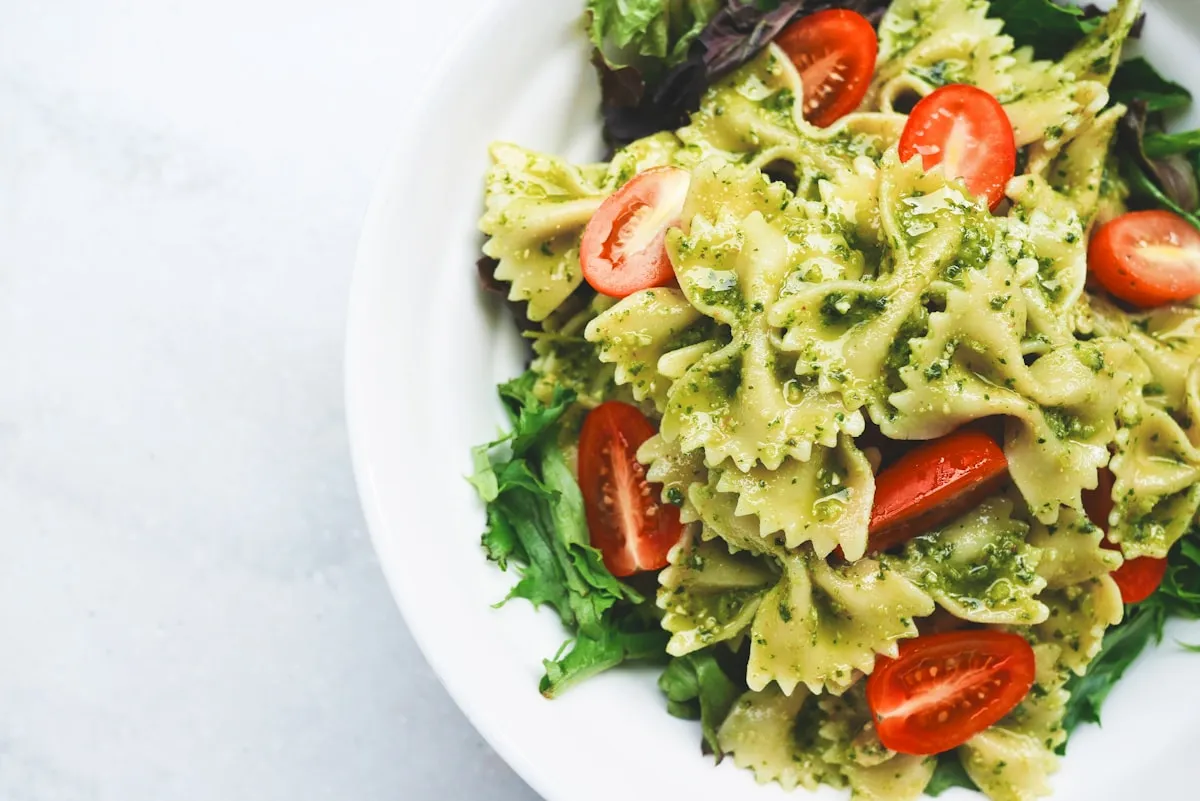
- Crispy vs. Soft: If you're serving a creamy one-pot pasta, pair it with a crisp, raw salad. A simple arugula or kale salad with a sharp vinaigrette provides the crunch and bitterness needed to reset your palate between bites of rich pasta.
- Cool vs. Hot: For spicy stews or chilis, a dollop of Greek yogurt or a side of cool cucumber slices can temper the heat.
- Brightness: If your main dish is a heavy casserole, avoid buttery sides. Opt for steamed green beans with a hit of lemon zest. This adds a "high note" to the meal that balances the "low notes" of the cooked-down main dish.
FAQ: Solving Your One-Pot Problems
Why is my rice always mushy on the outside but hard in the middle?
This usually happens because the heat was too high. The outside of the grain cooks and breaks down before the moisture can penetrate the core. Use a tight-fitting lid and keep the heat on low. Also, avoid stirring the rice once the simmer starts; stirring breaks the grains and releases excess starch, leading to a gummy texture.
Can I use frozen vegetables in a one-pot meal?
Yes, but timing is everything. Frozen vegetables are usually blanched before freezing, so they are partially cooked. Add frozen peas, corn, or spinach at the very end. If you add them too early, they will turn into a watery mush and dilute your sauce.
My sauce is too thin! How do I fix it without flour?
If your dish is almost done but the liquid is watery, take the lid off and turn up the heat. This allows evaporation to occur, concentrating the flavors and thickening the sauce. Alternatively, mash a few of the beans or potatoes against the side of the pot; the released starch will act as a natural thickener.
Is it safe to cook raw meat and vegetables in the same pot?
Absolutely, as long as the meat reaches the safe internal temperature. The beauty of one-pot cooking is that the simmering liquid acts as a heat transfer medium, ensuring everything is pasteurized. Just ensure you brown the meat first for flavor, not just safety.
How do I prevent things from sticking to the bottom?
Sticking is usually a sign of "starch settle" or a pan that isn't heavy enough. Deglaze your pan early on. After browning your aromatics and meat, add a small splash of liquid (wine, broth, or water) and scrape up the browned bits (the fond) with a wooden spoon. Those bits are flavor gold, and removing them prevents them from burning later.
Can I adapt these for an air fryer?
While not "one pot" in the traditional sense, you can create "one basket" meals. Many air fryer recipes dinner enthusiasts use a small baking dish inside the basket to contain sauces. Just remember that air fryers use convection (moving air), so they dry things out faster than a covered pot. Add a splash more liquid than you think you need if you're "pot-cooking" in an air fryer.
What if I over-salted the whole thing?
Don't panic. You can’t "remove" salt, but you can balance it. Add more bulk (like another can of un-salted beans) or increase the acidity. A hit of vinegar or lemon juice can often mask the perception of over-salting by distracting your taste buds.
{“@type”:”BlogPosting”,”image”:”https://cdn.marblism.com/o7hGxcgKPrW.webp”,”author”:{“name”:”Cookpedia”,”@type”:”Organization”},”@context”:”https://schema.org”,”headline”:”7 Mistakes You’re Making with Budget-Friendly One Pot Meals (and How to Fix Them)”,”keywords”:”air fryer recipes dinner, quick family meals, healthy dinner ideas, one pot meals, budget cooking”,”publisher”:{“logo”:{“url”:”https://cookpedia.com/logo.png”,”@type”:”ImageObject”},”name”:”Cookpedia”,”@type”:”Organization”},”description”:”Learn how to avoid common one-pot cooking mistakes, master the science of flavor layering, and create delicious budget-friendly meals with our expert tips.”,”datePublished”:”2026-07-03″,”articleSection”:”Cooking Tips”,”mainEntityOfPage”:{“@id”:”https://cookpedia.com/7-mistakes-one-pot-meals”,”@type”:”WebPage”}}