Recipe
Servings
Servings 1×
Cook 15 min
Ingredients
- Orzo
- Pasta
- Bread
- Tomatoes
- Garlic
- Cream
- Hard cheese
- Cooking oil
Method
- Let’s be honest: your weeknights are chaotic.
- Use it as your primary cooking fat for this dish.
- Keep it at a gentle simmer, just enough to coax everything into a unified, silky texture.
Let’s be honest: your weeknights are chaotic. Between the endless pings of notifications and the general exhaustion of existing, the last thing you want is a sink full of dishes and a recipe that requires a culinary degree. You need something that feels like a hug in a bowl but takes less time than a sitcom episode. That is where this creamy sun-dried tomato orzo comes in. It is the ultimate "minimalist but soulful" dish: one pot, fifteen minutes, and flavors so deep you’ll swear it simmered for hours.
The Science of One-Pot Perfection
Making a truly exceptional one-pot meal isn't just about throwing things in a pan and hoping for the best. It’s about understanding how ingredients interact, especially when you’re dealing with a tiny, starch-heavy pasta like orzo. When you cook orzo in a limited amount of liquid rather than boiling it in a massive vat of water, you are essentially creating a self-thickening sauce.
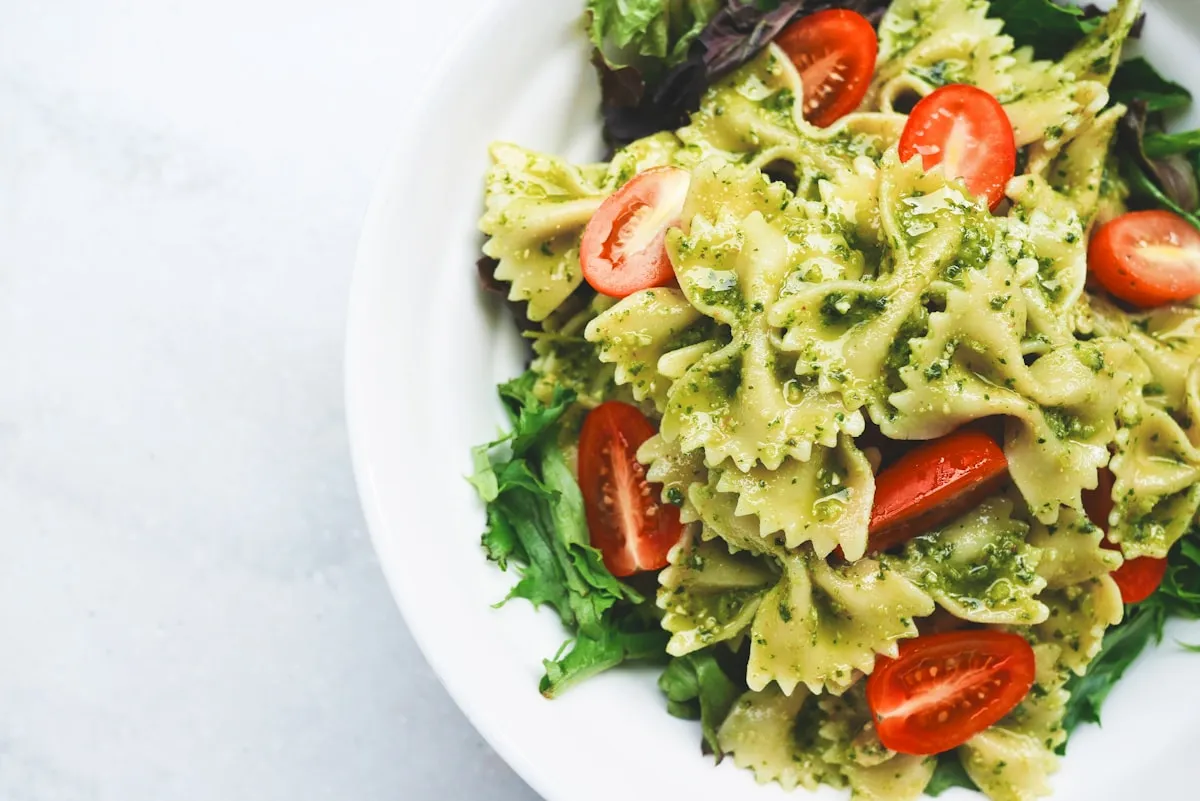
Toast Your Grains
Before you add a single drop of liquid, you must toast the orzo. This is a non-negotiable step in my kitchen. Toasting the dry pasta in a bit of fat: ideally the oil straight from your sun-dried tomato jar: triggers the Maillard reaction. This creates a nutty, complex base layer of flavor that raw pasta simply cannot provide. It also coats each grain in fat, which helps control the speed of starch release, ensuring your orzo stays distinct and doesn't turn into a gummy paste.
The Power of Sun-Dried Tomato Oil
Stop pouring that red oil down the drain! That oil is liquid gold, infused with the concentrated essence of tomatoes and herbs. Use it as your primary cooking fat for this dish. When you sauté your garlic and sun-dried tomatoes in their own oil, you are "blooming" the flavors. This process releases fat-soluble flavor compounds that would otherwise stay trapped, making your 15-minute meal taste like a slow-cooked Italian masterpiece. If you're looking for more quick family meals, mastering the art of using your pantry’s "bonus" ingredients is the first step.
Starch Management and Emulsification
The "creamy" in this recipe doesn't just come from the splash of cream you add at the end; it comes from the starch. As the orzo simmers, it sheds starch into the broth. This creates a natural slurry. When you finally stir in your dairy and parmesan, that starch acts as an emulsifier, binding the fat and liquid together into a glossy, stable sauce.
Avoid a hard boil once you've added your cream. High heat can cause the proteins in the dairy to clump or the fat to separate, leaving you with a greasy, broken mess. Keep it at a gentle simmer, just enough to coax everything into a unified, silky texture. If you love this one-pan approach, you should also check out this lazy girl one-pan cacio e pepe, which uses a similar starch-management technique.
Variations to Fit Your Life
While the base of this dish is minimalist, it is also incredibly versatile. You can easily adapt it to whatever is lingering in your fridge or whatever dietary path you’re currently walking.
- The Protein Boost: If you want a heartier meal, sear some chicken breast or shrimp in the pan first, remove them, and then proceed with the orzo. Slice the protein and stir it back in at the very end. This keeps the meat juicy while ensuring it’s infused with that sun-dried tomato goodness.
- Dairy-Free Delight: You can swap the heavy cream for full-fat coconut milk or a high-quality cashew cream. The sun-dried tomatoes are so flavorful that they easily carry the dish, even without the traditional dairy. Use a bit of nutritional yeast instead of parmesan for that savory, cheesy hit.
- Vegetable Variations: While spinach is the classic choice for that pop of green and iron, you can use kale (add it earlier so it softens) or even peas. This is one of those healthy dinner ideas that lets you clean out the crisper drawer without a second thought.
Balancing the Plate: Side Dish Pairings
Because this orzo is rich and savory, you want side dishes that offer a "crunch" or an "acid" to cut through the creaminess. Balance is the key to a soulful meal.
- The Bright Arugula Salad: A simple bowl of arugula tossed with a very sharp lemon vinaigrette and some cracked black pepper. The peppery bite of the greens and the acidity of the lemon reset your palate after every creamy forkful of pasta.
- Charred Balsamic Asparagus: Use your oven or a grill pan to get some dark, smoky marks on fresh asparagus. A drizzle of balsamic glaze provides the sweetness and tang that complements the sun-dried tomatoes perfectly.
- Air Fried Veggie Medley: For the ultimate efficiency, use your air fryer. I often recommend air fryer recipes dinner fans try a quick batch of zucchini coins or bell peppers while the orzo simmers. The high-heat roasting provides a textural contrast that a one-pot meal sometimes lacks.
Frequently Asked Questions
Why did my orzo turn out mushy?
Usually, this is a result of too much liquid or overcooking. Orzo cooks very quickly. If you keep the lid on and the heat too high, the grains will absorb water until their cellular structure collapses, leading to a "mush." Treat it like risotto: keep the lid off, stir occasionally, and taste it a minute before you think it's done. It should have a slight "bite" (al dente) before you add the cream.
Can I use a different pasta shape?
You can, but the timing and liquid ratios will change. Small shapes like ditalini or stelline work best. If you try to use something larger like penne, you’ll likely need more liquid and about double the cooking time. The magic of orzo is its surface-area-to-volume ratio, which is optimized for this specific 15-minute window.
Why did my sauce split and look greasy?
A split sauce usually means the heat was too high when the dairy was added, or you didn't have enough starch to hold the emulsion together. If this happens, don't panic. Add a tablespoon of very hot water (or extra broth) and stir vigorously off the heat. The extra liquid can sometimes help re-emulsify the sauce. Next time, ensure you've simmered the orzo long enough to release that thick starch before adding the cream.
Is this recipe actually "healthy"?
"Healthy" is subjective, but this dish focuses on real food ingredients. By using sun-dried tomatoes, you're getting a massive dose of antioxidants like lycopene. To keep it on the lighter side of healthy dinner ideas, you can reduce the amount of parmesan and use a splash of pasta water mixed with a smaller amount of cream to achieve that same luxurious mouthfeel.
Can I make this ahead of time?
Orzo is a notorious liquid-thirster. If you make it ahead of time, it will continue to absorb the sauce as it sits in the fridge, leaving you with a solid block of pasta the next day. If you must meal prep it, undercook the orzo slightly and keep some extra broth on hand to loosen the sauce when you reheat it on the stove.
{“@type”:”BlogPosting”,”image”:”https://cdn.marblism.com/hUSfrAZWIno.webp”,”author”:{“name”:”Cookpedia”,”@type”:”Person”},”@context”:”https://schema.org”,”headline”:”15-Minute One Pot Creamy Sun-Dried Tomato Orzo: Minimalist & Soulful”,”publisher”:{“logo”:{“url”:”https://cookpedia.com/logo.png”,”@type”:”ImageObject”},”name”:”Cookpedia”,”@type”:”Organization”},”description”:”Learn the science behind a perfect 15-minute one-pot creamy sun-dried tomato orzo. Tips on toasting orzo, emulsifying sauces, and quick family meal variations.”,”datePublished”:”2026-06-19″,”mainEntityOfPage”:{“@id”:”https://cookpedia.com/creamy-sun-dried-tomato-orzo”,”@type”:”WebPage”}}