Recipe
Servings
Servings 1×
Ingredients
- Chicken
- Pork
- Lentils
- Chickpeas
- Beans
- Pasta
- Rice
- Tortillas
- Bread
- Potatoes
- Carrots
- Spinach
- Kale
- Greens
- Peas
- Corn
- Apple
- Onion
Method
- Let’s be real: grocery prices are enough to make anyone want to survive on cereal alone.
- Warm meat is easier to pull apart because the collagen has turned into gelatin but hasn't yet reset.
- Use your pre-cooked rice, add your shredded protein, toss in some frozen veggies, and hit it with a high-impact sauce.
- Use "shelf-stable" acidity.
Let’s be real: grocery prices are enough to make anyone want to survive on cereal alone. But I promise you, eating well doesn't require a lottery win. By shifting your mindset from "individual recipes" to a "unified framework," you can feed your household five nights a week for less than $40. My system relies on the strategic reuse of high-impact ingredients and the science of bulk preparation. You’ll stop wandering the aisles aimlessly and start cooking with a definitive, wallet-friendly plan.
The Science of the "Big Roast" Strategy
To hit a sub-$40 target, you must stop buying five different proteins for five different nights. That is a recipe for a $150 grocery bill. Instead, choose one heavy-hitter protein, like a whole chicken or a large pork loin, and make it the anchor of your week. When you roast a whole chicken, you aren’t just making a Sunday dinner; you are performing a biological extraction of flavor and nutrition.
Roasting a whole bird at high heat (around 400°F) triggers the Maillard reaction, creating complex, savory flavors that you simply can't get from individual boneless breasts. Once that bird is cooked, your job is to "process" it immediately. Carve the prime cuts for your first night's roast dinner, then shred the remaining meat while it’s still warm. Warm meat is easier to pull apart because the collagen has turned into gelatin but hasn't yet reset. This shredded meat becomes the foundation for your quick family meals later in the week, from pasta to wraps. Don't you dare throw away the carcass; simmer it with onion skins and carrot tops to create a bone broth that acts as a free flavor-booster for your final night’s soup.
Next, master the art of bulk starch cooking. Whether you prefer rice, pasta, or potatoes, cook your entire week's worth in one go. There is a scientific reason for this beyond just saving time: retrograde starch. When you cook rice or pasta and then cool it, the starch molecules rearrange into "resistant starch." This not only lowers the glycemic index, making these healthy dinner ideas even better for your blood sugar, but also improves the texture for subsequent meals. Cold, day-old rice is objectively superior for fried rice because the grains have dehydrated slightly, allowing them to sear in the pan rather than turn into mush.
Finally, embrace the freezer aisle. Frozen vegetables are often more nutritious than the "fresh" produce that has spent two weeks on a truck. They are flash-frozen at peak ripeness, locking in vitamins. Using frozen peas, corn, or spinach allows you to add fiber and color to every meal without the risk of a $6 bag of kale rotting in your crisper drawer. Check your pantry for staples like dried beans or lentils; they are the ultimate budget stabilizers. If you’re looking for a plant-based pivot, our Budget-Friendly Red Lentil Dahl is a masterclass in stretching a dollar.
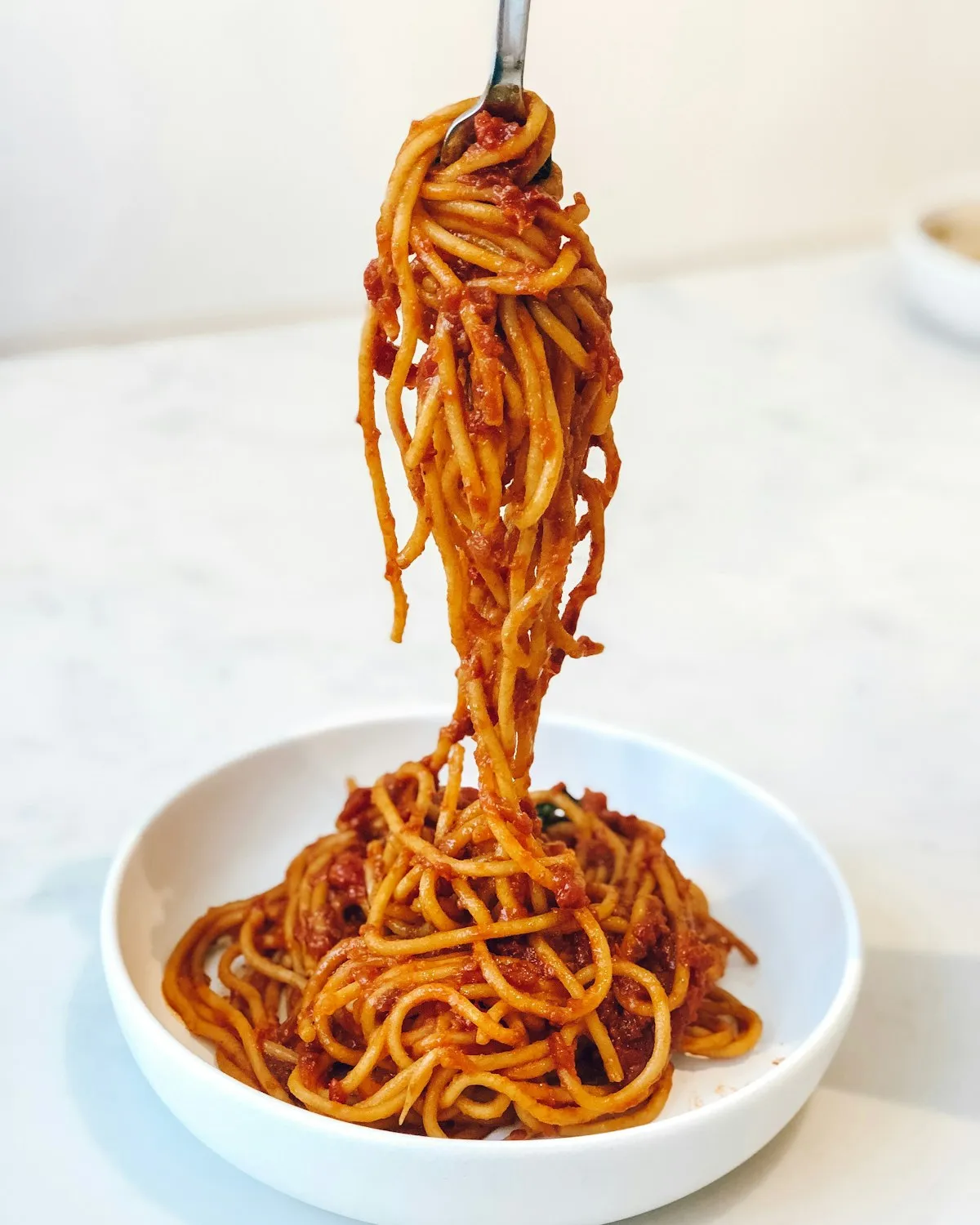
Flavor Conversions and Protein Swaps
The beauty of this framework is its flexibility. If a whole chicken isn’t on sale, look for a large pork loin or a massive bag of dried chickpeas. The logic remains the same: one prep, five formats. For a pork-centric week, you can roast the loin, then slice it thin for Air Fryer Honey Garlic Pork Chops style bites on night two.
To keep things interesting, change the "format" of the meal every night. If night one was a traditional "meat and three" roast plate, night two should be a bowl. Use your pre-cooked rice, add your shredded protein, toss in some frozen veggies, and hit it with a high-impact sauce. Night three is for the "handheld" format. Wrap your ingredients in tortillas or pile them onto toasted bread. This textural shift prevents "leftover fatigue." You aren't eating the same thing five times; you are eating five different expressions of the same high-quality ingredients. For a quick switch, try a 15-Minute Teriyaki Beef Stir-Fry logic using whatever protein you have on hand, the technique is what matters, not the specific meat.
Balancing the Plate with Side Dish Pairings
When you're cooking on a budget, your main dishes often lean toward heavy starches and proteins. To keep these meals from feeling "cheap" or sluggish, you must use acidity and crunch to provide balance. A heavy, creamy pasta dish feels transformed when paired with a simple arugula salad dressed in lemon juice.
Use "shelf-stable" acidity. A large bottle of apple cider vinegar or a jar of pickled jalapeños costs pennies per serving but cuts through the richness of roasted meats and beans. If you have a few leftover carrots and a bit of cabbage, shred them raw with a splash of vinegar and a pinch of salt. This creates a quick slaw that adds the necessary brightness to your quick family meals. Avoid expensive pre-made dressings; they are mostly water and soybean oil. A 3-to-1 ratio of oil to acid is all you need for a restaurant-quality finish.
Frequently Asked Questions
What if my family hates eating "leftovers" two nights in a row?
The trick is to never call them "leftovers." Call them "components." By keeping your shredded chicken, cooked rice, and steamed vegetables in separate containers, you aren't reheating a finished meal. You are assembling a fresh one. Changing the sauce and the starch format (e.g., switching from rice to tortillas) triggers different sensory responses, so your brain doesn't register it as a repeat.
Can I use an air fryer with this budget framework?
Absolutely. Using air fryer recipes dinner style is actually one of the most cost-effective ways to cook. It uses less energy than a full-size oven and can crisp up pre-cooked proteins or starches in minutes. For example, toss your pre-cooked potatoes or chickpeas in the air fryer for 8 minutes to give them a "freshly fried" texture that makes a budget meal feel like a treat.
Why do you insist on using dried beans instead of canned?
Science and cents. A pound of dried beans costs about the same as one can but produces three to four times the volume. Furthermore, cooking beans from scratch allows you to season the "pot liquor" (the cooking liquid) with aromatics like garlic and onion skins. This liquid is packed with starch and flavor; use it to thicken your soups or sauces instead of buying cornstarch or cream.
How do I stop my bulk-cooked rice from getting dry and hard?
This is due to starch retrogradation. When rice sits in the fridge, the water molecules are pushed out of the starch granules. To fix this, add a tablespoon of water per cup of rice before reheating. Cover it tightly so the steam "re-gelatinizes" the starch, making it fluffy and soft again.
Is it really possible to get healthy dinner ideas for under $40?
Yes, because "healthy" doesn't mean "expensive superfoods." Legumes, whole grains, and frozen vegetables are some of the most nutrient-dense foods on the planet and also the cheapest. By focusing on whole ingredients and avoiding processed "convenience" foods, you naturally reduce sugar and sodium intake while keeping your wallet full. If you need inspiration for a nutrient-packed, low-cost meal, look at our Quick Chickpea Spinach Stew.
{“@type”:”BlogPosting”,”image”:”https://cdn.marblism.com/WfsHc2QKLrh.webp”,”author”:{“name”:”Penny”,”@type”:”Person”},”faqPage”:{“@type”:”FAQPage”,”@context”:”https://schema.org”,”mainEntity”:[{“name”:”What if my family hates eating leftovers two nights in a row?”,”@type”:”Question”,”acceptedAnswer”:{“text”:”The trick is to treat ingredients as components rather than finished meals. By keeping components separate and changing the sauce or format, you avoid ‘leftover fatigue’.”,”@type”:”Answer”}},{“name”:”Can I use an air fryer with this budget framework?”,”@type”:”Question”,”acceptedAnswer”:{“text”:”Yes, an air fryer is highly energy-efficient and perfect for crisping up pre-cooked proteins or starches quickly.”,”@type”:”Answer”}},{“name”:”Why use dried beans instead of canned?”,”@type”:”Question”,”acceptedAnswer”:{“text”:”Dried beans offer more volume for the same price and allow you to create a flavorful cooking liquid that can be used to thicken other dishes.”,”@type”:”Answer”}}]},”@context”:”https://schema.org”,”headline”:”The Proven Budget-Friendly Framework: How to Cook 5 Dinners for Under $40″,”keywords”:”air fryer recipes dinner, quick family meals, healthy dinner ideas, budget cooking”,”publisher”:{“logo”:{“url”:”https://cookpedia.com/logo.png”,”@type”:”ImageObject”},”name”:”Cookpedia”,”@type”:”Organization”},”description”:”Learn the strategic framework to cook five healthy, quick family meals for under $40 using the ‘Big Roast’ method and smart pantry staples.”,”datePublished”:”2026-07-15″,”articleSection”:”Cooking Tips”,”mainEntityOfPage”:{“@id”:”https://cookpedia.com/budget-friendly-framework”,”@type”:”WebPage”}}