Recipe
Servings
Servings 1×
Cook 2026 min
Ingredients
- Chicken
- Tofu
- Pasta
- Noodles
- Broccoli
- Carrots
- Spinach
- Kale
- Peas
- Tomatoes
- Garlic
- Lemon
- Honey
- Hard cheese
- Butter
- Cooking oil
- Chili seasoning
- Salt
Method
- Let’s be honest: the promise of one-pot pasta is the ultimate kitchen siren song.
- Use a shallow, wide pan rather than a deep stockpot to encourage evaporation.
- Stir frequently and vigorously during the first three to four minutes.
- Keep your liquid at a steady, gentle simmer.
- Use a mix of chicken or vegetable stock and a splash of dry white wine.
- Add them off the heat, right before serving.
Let’s be honest: the promise of one-pot pasta is the ultimate kitchen siren song. You throw everything into a pot, walk away for ten minutes, and emerge with a gourmet dinner and only one dish to wash. It’s the holy grail of quick family meals. But all too often, that dream ends in a gummy, sticky mess that looks more like a science experiment gone wrong than a restaurant-quality meal. If your one-pot attempts are coming out gluey or bland, don’t give up on the method just yet. You’re likely just falling into a few common traps that are easily fixed with a little kitchen science and some firm culinary boundaries.
The Science of Starch: Turning Liquid into Liquid Gold
The magic: and the danger: of one-pot pasta lies entirely in the starch. When you boil pasta in a massive pot of salted water, you’re diluting and then discarding the very thing that makes sauces legendary. In a one-pot setting, that starch stays right where you need it, acting as a natural thickener and emulsifier. However, if you don't manage it, it turns into glue.
Stop Drowning Your Pasta
The biggest mistake you can make is treating a one-pot meal like a traditional boil. Do not fill the pot to the brim with water. For 12 ounces of dry pasta, aim for about 3 to 4 cups of liquid: just enough to barely cover the noodles. If you use too much, your pasta will turn to mush before the water has a chance to reduce into a sauce. Think of the liquid as a living thing; it needs to evaporate and concentrate at the same rate the pasta hydrates. Use a shallow, wide pan rather than a deep stockpot to encourage evaporation.
Master the Emulsion
For that coveted silky finish, starch needs a dance partner: fat. Without enough fat, the starch just creates a tacky film. Include a generous glug of extra-virgin olive oil or a knob of butter right from the start. As the pasta releases starch, it binds with the fat and the cooking liquid to create a glossy, creamy coating that clings to every strand. If you’re looking for healthy dinner ideas, don’t skimp here: the fat is what makes the meal satisfying and prevents the "sticky" texture you’re trying to avoid.
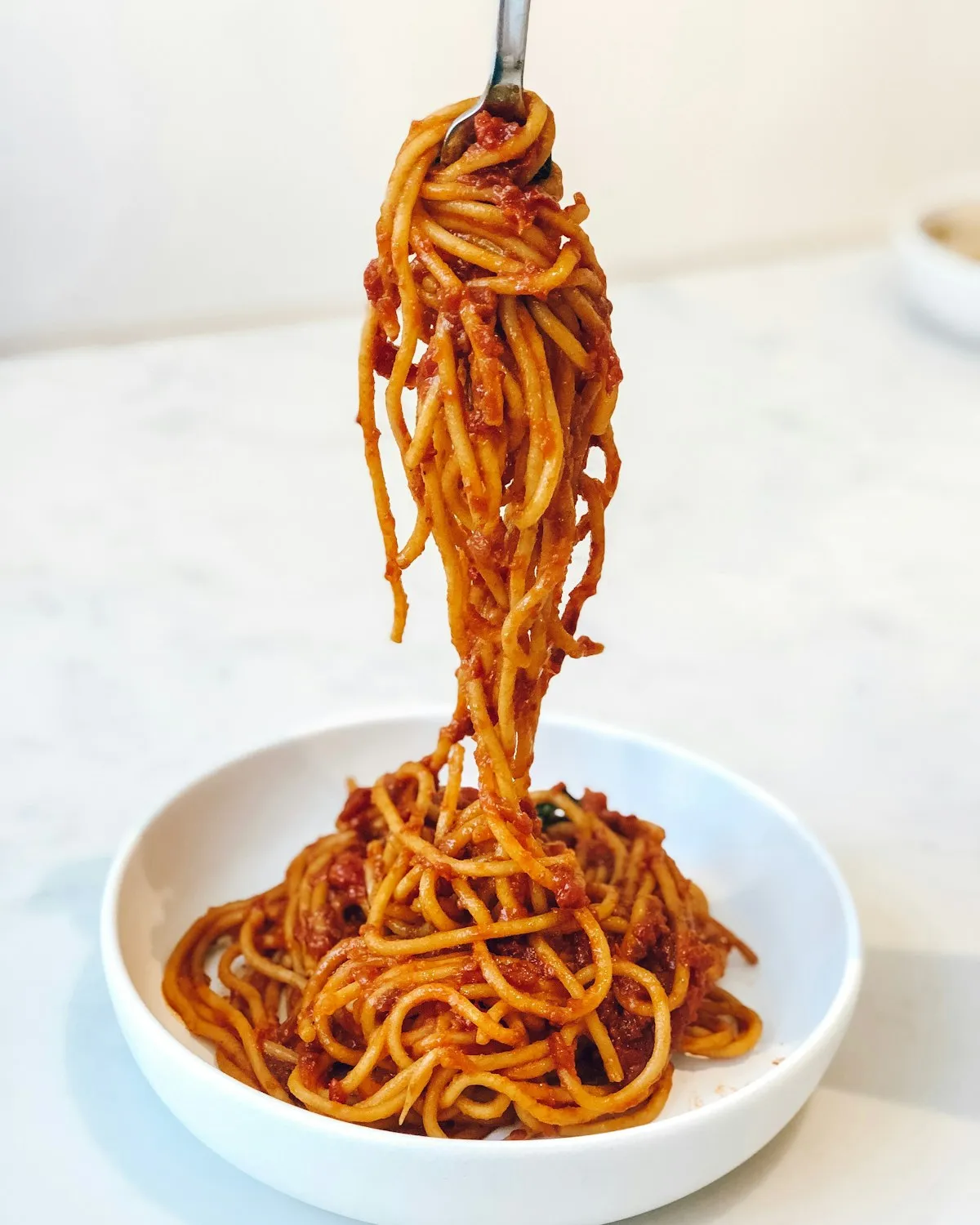
Stir Like You Mean It
Ignore the "set it and forget it" myth. In the first few minutes of cooking, pasta is most likely to clump together as the surface starches become hydrated and tacky. Stir frequently and vigorously during the first three to four minutes. This prevents the noodles from fusing into a singular, unappetizing brick. Think of it as active coaching for your dinner.
Temperature Control is Non-Negotiable
Keep your liquid at a steady, gentle simmer. A violent, rolling boil will tear the pasta apart and can cause the starch to seize, while a lukewarm bath will leave you with soggy, undercooked noodles. If the liquid is reducing too fast and the pasta is still crunchy, add more liquid: but only use boiling water or hot stock. Dumping cold water into a hot pan shocks the starch and ruins the emulsion you’ve worked so hard to build.
Flavor Foundations and Variations
Once you’ve mastered the base technique, the world of one-pot meals is your oyster. The key to preventing a bland result is ensuring the liquid you use is packed with flavor from the second it touches the pan.
The Acid and Umami Balance
If your pasta tastes "flat," it’s likely missing acidity or umami. Don't just use plain water. Use a mix of chicken or vegetable stock and a splash of dry white wine. If you're making a tomato-based version, let the juices from canned cherry tomatoes provide the bulk of your liquid. For a deeper flavor profile, toss in a parmesan rind while the pasta simmers. It’s a low-effort way to inject massive amounts of salt and savory depth into the sauce.
Protein and Veggie Timing
Not all ingredients are created equal when it comes to cooking times. Harder vegetables like sliced carrots or sturdy greens like kale should go in early. Delicate additions: think baby spinach, fresh peas, or precooked proteins: should only be tossed in during the final two minutes. If you’re looking for a side hustle for your kitchen gadgets, you might find that while the pasta simmers, prepping some crispy tofu or chicken via your favorite air fryer recipes dinner style adds a perfect textural contrast to the silky pasta.
Going Green
Fresh herbs are the soul of a great pasta dish, but they are fragile. Never add basil, cilantro, or parsley at the beginning of the cook. They will turn black, slimy, and bitter. Add them off the heat, right before serving. The residual heat of the sauce will wilt them perfectly while keeping their bright, aromatic oils intact.
Perfect Pairings: Balancing the Richness
Because one-pot pasta is inherently rich and starchy, your side dishes need to provide a counterpoint. You want something that cuts through the creaminess and refreshes the palate.
A bright, citrus-forward arugula salad is my absolute go-to. Use a simple vinaigrette of lemon juice, honey, and plenty of cracked black pepper. The peppery bite of the arugula and the sharp acidity of the lemon act as a "reset button" for your taste buds between bites of savory pasta.
If you want something heartier but still balanced, try roasted broccoli with a heavy dusting of chili flakes and garlic. The charred, slightly bitter notes of the broccoli provide a sophisticated edge to the meal. For those nights when you really need to get food on the table fast, check out our 15-minute meals section for more inspiration on quick sides that don't require an hour of prep.
FAQ: Solving Your One-Pot Problems
Why is my pasta still crunchy but the liquid is gone?
You likely had your heat too high, causing the water to evaporate before the pasta could absorb it. Check your simmer; it should be gentle, not aggressive. Next time, use a lid for the first half of the cooking process to trap steam, then remove it to finish reducing the sauce. For now, add a half-cup of boiling water and keep stirring until the texture softens.
Can I use gluten-free pasta for this?
You can, but be warned: gluten-free pasta (especially those made from rice) releases a different kind of starch that can become very "foamy" and then disintegrate quickly. Use a slightly lower liquid-to-pasta ratio and decrease your cooking time by 2 minutes. Monitor it closely, as the window between "perfect" and "mush" is much smaller with GF noodles.
My sauce is oily and won't stick to the pasta. What happened?
The emulsion broke. This usually happens if there isn't enough starchy liquid to bind the fat to the water. To fix this, you can add a tablespoon of the pasta's cooking liquid (if you have some) or a small splash of heavy cream or even a spoonful of pasta sauce. Stir vigorously over low heat to encourage the fats to re-integrate.
Can I make these as healthy dinner ideas for meal prep?
One-pot pastas are best served immediately because the starch continues to thicken as it cools. If you do meal prep them, undercook the pasta by about 3 minutes. When you reheat it, add a splash of water or broth to loosen the sauce back up to its original silky glory.
Is it okay to use a lid?
Using a lid is a great way to speed up the initial boil and ensure the pasta on top gets steamed, but you must remove it for the final few minutes. You need that open air to allow the sauce to reduce and thicken into a glaze. Without evaporation, you just have boiled pasta soup.
How do I know when it's officially done?
The "al dente" test is king. Bite into a noodle; it should have a tiny bit of resistance in the center. The sauce should look like a cloudy, shimmering glaze that doesn't immediately run to the bottom of the bowl when you stir. If it looks a little too loose, let it sit off the heat for two minutes; the starch will do the heavy lifting as it cools slightly.
For more efficient kitchen tips and quick meals, keep exploring my blog for ways to make your home cooking soulful and stress-free.
{“@type”:”BlogPosting”,”image”:”https://cdn.marblism.com/Wd6k99dMTh0.webp”,”author”:{“name”:”Cookpedia”,”@type”:”Organization”},”@context”:”https://schema.org”,”headline”:”5 Mistakes You’re Making with One-Pot Pasta (And How to Fix Them for Silky, Not Sticky Results)”,”publisher”:{“logo”:{“url”:”https://cdn.marblism.com/KxroJ1kM_KA.webp”,”@type”:”ImageObject”},”name”:”Cookpedia”,”@type”:”Organization”},”mainEntity”:[{“name”:”Why is my pasta still crunchy but the liquid is gone?”,”@type”:”Question”,”acceptedAnswer”:{“text”:”Your heat was likely too high, causing evaporation to outpace hydration. Use a gentle simmer and consider adding a lid for the first half of cooking.”,”@type”:”Answer”}},{“name”:”Can I use gluten-free pasta for one-pot meals?”,”@type”:”Question”,”acceptedAnswer”:{“text”:”Yes, but use less liquid and reduce cooking time, as gluten-free pasta disintegrates more easily than wheat-based pasta.”,”@type”:”Answer”}}],”description”:”Learn how to master the science of starch and liquid ratios for perfect, silky one-pot pasta every time. Avoid gummy results with these pro tips.”,”datePublished”:”2026-07-15″,”mainEntityOfPage”:{“@id”:”https://cookpedia.com/5-mistakes-one-pot-pasta”,”@type”:”WebPage”}}