Recipe
Servings
Servings 1×
Ingredients
- Salmon
- Penne
- Pasta
- Noodles
- Bread
- Broccoli
- Asparagus
- Zucchini
- Kale
- Tomatoes
- Garlic
- Lemon
- Balsamic vinegar
- Cream
- Hard cheese
- Butter
- Cooking oil
- Chili seasoning
Method
- Prepare the ingredients described in the article and heat the cooking surface or oven as directed.
- Cook the main ingredients using the heat and timing guidance in the article.
- Finish with the seasonings and garnishes named in the article, then serve.
We have all been there: you are tired, the kids are hungry, and you need a win. You reach for a box of dried noodles because simple pasta recipes are the ultimate safety net for busy weeknights. But somehow, that "simple" meal ends up gummy, bland, or swimming in a watery puddle at the bottom of the bowl.
Cooking pasta isn't just about boiling water; it is a delicate dance of starch and chemistry. If you want to transform your dinner from "fine" to "restaurant-quality" in under 20 minutes, you need to stop making these seven common blunders. Let’s tighten up your technique so you can get back to enjoying your evening.
The Science of the Perfect Noodle: Tips & Technique
The difference between a soggy mess and a masterpiece lies in the physics of the pot. Most home cooks treat the boiling process as an afterthought, but it is actually where the most important flavor and texture development happens.
1. Stop Being Afraid of Salt
If you think a "pinch" of salt in your pasta water is enough, you are seasoning for failure. Salt is the only chance you have to season the pasta itself from the inside out. As the noodles hydrate and expand, they pull the seasoned water into their starch network. Aim for a 1% salinity, that is about 10 grams of salt for every liter of water. It should taste like a well-seasoned soup, not a mouthful of the Atlantic Ocean.
2. Ditch the Oil in the Water
I see you reaching for that olive oil bottle. Put it down. There is a common myth that adding oil to the pot prevents the pasta from sticking. In reality, oil just floats on top and then coats the noodles as you drain them. This oily film creates a hydrophobic barrier, meaning your delicious sauce will slide right off the pasta instead of clinging to it. If you want to prevent sticking, use a larger pot and stir frequently during the first two minutes of boiling when the surface starches are stickiest.
3. Never Rinse Your Pasta
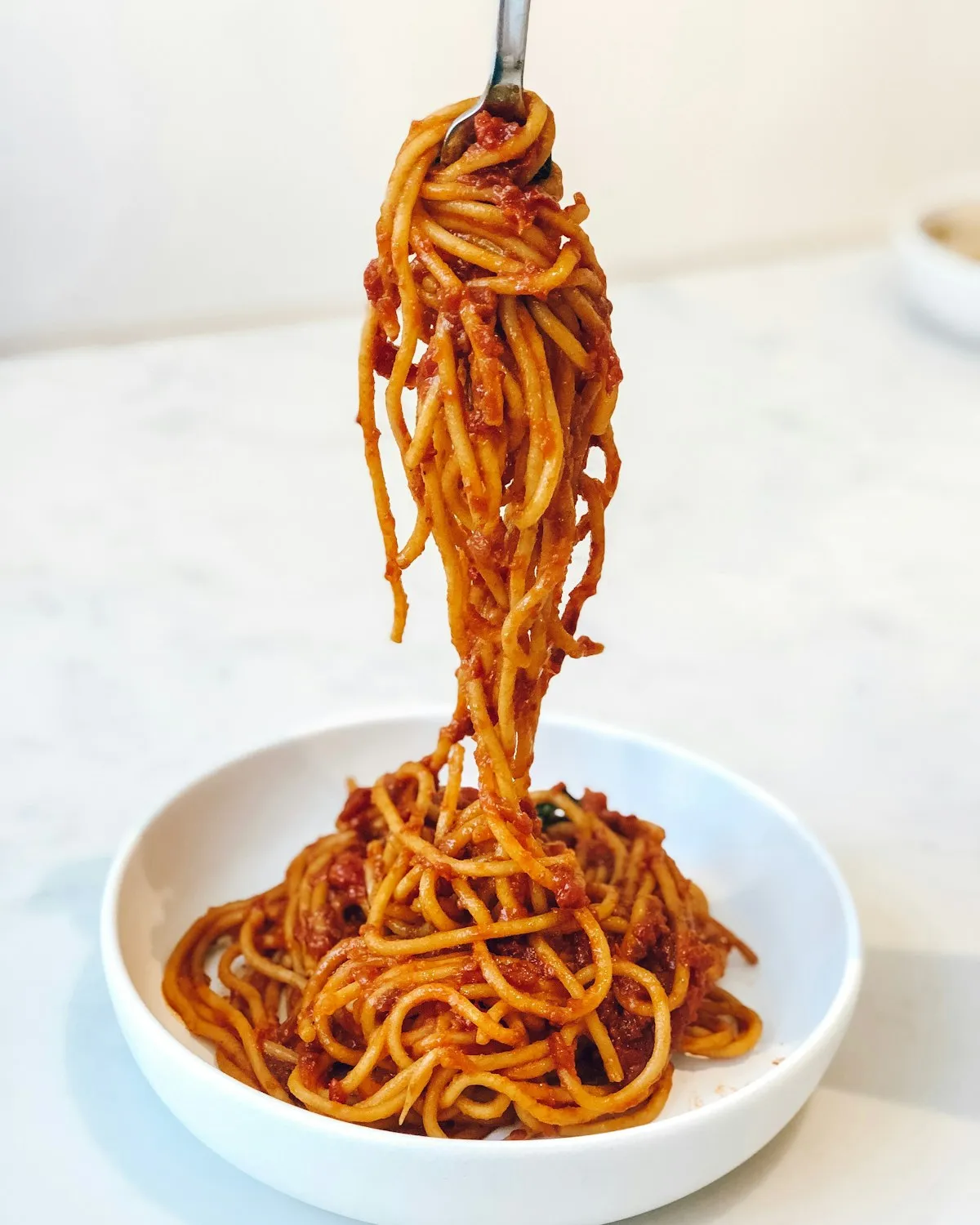
Unless you are making a cold pasta salad, keep that colander away from the cold tap. Rinsing cooked pasta washes away the surface starch that helps the sauce adhere. That starch is your best friend; it is the glue that binds the meal together. By rinsing, you’re basically stripping the flavor and the "stickiness" required for a cohesive dish.
4. The "Liquid Gold" Rule
The most egregious crime in the kitchen is pouring all your pasta water down the drain. That cloudy, starchy liquid is what professional chefs call "liquid gold." When you mix a splash of this water into your sauce, the starches act as an emulsifier. It forces the fats (like oil or butter) and the liquids to bond, creating a creamy, glossy sauce without needing a drop of heavy cream.
5. Ignore the Box Timing
The instructions on the side of the box are a suggestion, not a law. Most brands over-calculate the cooking time. To achieve a true al dente (to the tooth) texture, start testing your pasta two minutes before the box says it’s done. You want a tiny speck of white in the center of the noodle, this ensures it won't turn into mush when you finish it in the pan.
6. The Shape-to-Sauce Mismatch
Surface area matters. If you are serving a heavy, chunky meat sauce with thin angel hair pasta, the noodles will snap under the weight. Conversely, a light oil-based sauce gets lost in large rigatoni tubes. Use long, thin strands for oil or cream sauces, and ridged or hollow shapes (like penne or orecchiette) for sauces with "bits" that need to be captured.
7. Finish in the Pan, Not the Bowl
Never just plop a ladle of sauce on top of a mound of plain noodles. To fix your simple pasta recipes, you must finish the pasta in the sauce for the last 60 seconds of cooking. Drag the noodles directly from the water into the sauce pan with a small amount of that starchy water. Toss them vigorously. This "pan-finishing" allows the pasta to absorb the sauce's flavor while the starch thickens everything into a unified dish.
Flavor Variations for Every Craving
Once you master the science, you can start playing with the profile. Not every night calls for a traditional marinara. If you are looking for healthy dinner ideas that don't feel like a chore, focus on high-impact aromatics.
For a spicy kick, try an Arrabbiata style by toasting dried chili flakes and plenty of garlic in high-quality olive oil before adding your tomatoes. If you prefer something earthy and robust, a skillet of crispy bacon and fresh basil can transform a plain box of spaghetti into a gourmet meal in minutes.
If you are following a plant-based diet, swap the parmesan for nutritional yeast or a toasted breadcrumb topping (known in Italy as pangrattato). The breadcrumbs provide that essential crunch and salty hit without the dairy. For those who want more protein, seared salmon chunks and dill can be tossed in at the very last second, letting the residual heat of the pasta cook the fish through without making it tough. This approach creates quick family meals that feel special but take no more effort than a standard bowl of noodles.
Balancing the Plate: Side Dish Pairings
Pasta is inherently rich and starch-heavy, so your side dishes should provide a counter-narrative. Avoid serving "garlic bread" with every pasta dish, it is starch on starch. Instead, look for acidity and crunch to cut through the density of the noodles.
- A Sharp Arugula Salad: The peppery bite of arugula and a zesty lemon vinaigrette will reset your palate between bites of a creamy carbonara or alfredo.
- Roasted Bitter Greens: Broccoli rabe or charred kale with a splash of balsamic vinegar provides a necessary bitterness that balances out the sweetness of tomato-based sauces.
- Quick Veggie Sides: If you are already looking at air fryer recipes dinner options, toss some asparagus or zucchini coins into the air fryer for 8 minutes. The concentrated caramelization from the high heat adds a smoky depth that complements any pasta shape.
Frequently Asked Questions
Why does my pasta always stick together in the pot?
It usually comes down to two things: a pot that is too small or not enough stirring. When pasta first hits the water, it releases a burst of surface starch. If the noodles are crowded, that starch acts like glue. Use at least 4 quarts of water per pound of pasta and stir like your life depends on it for the first 60 seconds.
Is it okay to use a small pot if I break the spaghetti in half?
Don't do it. Breaking the pasta doesn't just offend Italian tradition; it changes how the pasta fits on your fork and how it carries the sauce. Use a large pot so the long strands can submerge gradually. If you must use a smaller pot, just wait 30 seconds for the submerged ends to soften, then gently push the rest down.
Can I save leftover pasta water for the next day?
Technically yes, but it loses its magic. As it cools, the starch settles and the water can become quite funky. It is better to use it fresh. If you are reheating leftover pasta, a splash of plain water or a little bit of butter will do a better job of reviving the sauce than day-old starch water.
What if I accidentally overcooked the pasta?
If it is already mush, you can't turn back the clock. Your best bet is to lean into it: turn it into a baked pasta dish. Toss the overcooked noodles with sauce and extra cheese, then broil it until the top is crispy. The crunchy texture from the oven will hide the soft interior.
Does the type of salt matter?
Yes. Use Kosher salt or sea salt. Table salt has much finer grains, so a tablespoon of table salt is significantly "saltier" than a tablespoon of Kosher salt. If you are using table salt, cut the measurement by half to avoid an inedible salt bomb.
How do I make my pasta dishes more of a "healthy dinner idea"?
Focus on the ratio. Instead of a mountain of pasta with a garnish of veggies, try a 50/50 split. Load your pan with sautéed spinach, roasted peppers, or mushrooms before adding the noodles. You get the comfort of the pasta with half the glycemic load and double the nutrients.
{“@type”:”BlogPosting”,”image”:”https://cdn.marblism.com/I7Xb2p6iR-z.webp”,”author”:{“name”:”Penny”,”@type”:”Person”},”@context”:”https://schema.org”,”headline”:”7 Mistakes You’re Making with Simple Pasta (And How to Fix Them in Under 20 Minutes)”,”keywords”:”simple pasta recipes, quick family meals, healthy dinner ideas, cooking tips”,”publisher”:{“logo”:{“url”:”https://cookpedia.com/logo.png”,”@type”:”ImageObject”},”name”:”Cookpedia”,”@type”:”Organization”},”description”:”Learn the 7 common mistakes home cooks make with simple pasta recipes and how to fix them using science-backed techniques for restaurant-quality results at home.”,”datePublished”:”2026-07-15″,”articleSection”:”Cooking Tips”,”mainEntityOfPage”:{“@id”:”https://cookpedia.com/7-pasta-mistakes”,”@type”:”WebPage”}}