Recipe
Servings
Servings 1×
Ingredients
- Chicken
- Tofu
- Beans
- Pasta
- Noodles
- Rice
- Eggs
- Greek yogurt
- Cauliflower
- Broccoli
- Asparagus
- Green beans
- Spinach
- Greens
- Peas
- Apple
- Onion
- Fresh ginger
Method
- Let’s dive into the hacks that will change your weeknight game forever.
- Cut your proteins into small, uniform pieces, around 1-inch or thinner.
- Use high heat for the first 90 seconds to create a crust, then drop the temperature.
- Cover the pan and let the trapped steam and the heat of the metal finish the job.
- Place the empty tray in the oven while it preheats to 425°F.
- Prepare a base, like quick-cook couscous or thin rice noodles, and let people add their own "high-impact" toppings like toasted sesame seeds, pickled red onions, or a dollop of Greek yogurt.
We’ve all been there: standing in front of the fridge at 6:30 PM, staring at a head of broccoli and a pack of chicken like they’re pieces of a puzzle you’re too tired to solve. The temptation to reach for the delivery app is real, but your wallet (and your waistline) probably won’t thank you. You don’t need a miracle to get food on the table; you just need to stop fighting physics and start using it to your advantage.
I’m talking about reclaiming your evening with 15 minute meals that actually taste like you spent an hour over the stove. By mastering a few fundamental scientific principles, you can transform your kitchen into a high-efficiency flavor lab. Let’s dive into the hacks that will change your weeknight game forever.
The Science of Speed: Why These Hacks Work
To cook fast, you have to understand heat transfer. Most home cooks lose time because they treat every ingredient the same way, but professional efficiency is built on maximizing surface area and controlling the Maillard reaction.
Maximize Surface Area for Rapid Heat Transfer
Physics is your best friend here. The more surface area an ingredient has exposed to the heat, the faster it cooks. This is why a whole chicken breast takes 20 minutes to cook through, while half-inch cubes take about four. Cut your proteins into small, uniform pieces, around 1-inch or thinner. This doesn't just speed up the clock; it ensures even cooking so you aren't biting into a rubbery exterior just to find a raw center. Apply this to your chicken recipes by slicing breasts into thin cutlets or "tenders" before they even hit the pan.
Hack the Maillard Reaction
Deep, savory flavor comes from the Maillard reaction, the chemical dance between amino acids and sugars that happens at high heat. To get "slow-cooked" flavor in minutes, you must maximize this browning. Always pat your proteins bone-dry with a paper towel before cooking. Moisture is the enemy of speed; if there’s water on the surface, the pan has to boil that water off before it can start browning the food. Use high heat for the first 90 seconds to create a crust, then drop the temperature. This front-loads the flavor so you don't have to simmer things for hours to find the "soul" of the dish.
Leverage Residual Heat and Carryover Cooking
Stop thinking the burner needs to be on until the second you plate. Residual heat is the "hidden" cooking time. For delicate items like eggs or thin fish fillets, turn the heat off when they are about 90% done. Cover the pan and let the trapped steam and the heat of the metal finish the job. This prevents overcooking and saves you from hovering over the stove. I use this trick constantly for one-pot pasta; turn off the flame while the noodles still have a tiny bit of "bite," and the sauce will thicken perfectly as it rests for two minutes.
Pre-Heat Everything (Including the Tray)
If you are using the oven, stop putting food on cold sheet pans. Place the empty tray in the oven while it preheats to 425°F. When you drop your vegetables or protein onto that screaming-hot metal, the cooking starts instantly. This "searing" effect on the pan helps you achieve healthy dinner ideas like roasted cauliflower or charred green beans in half the usual time because the heat is attacking the food from both the air and the contact surface.
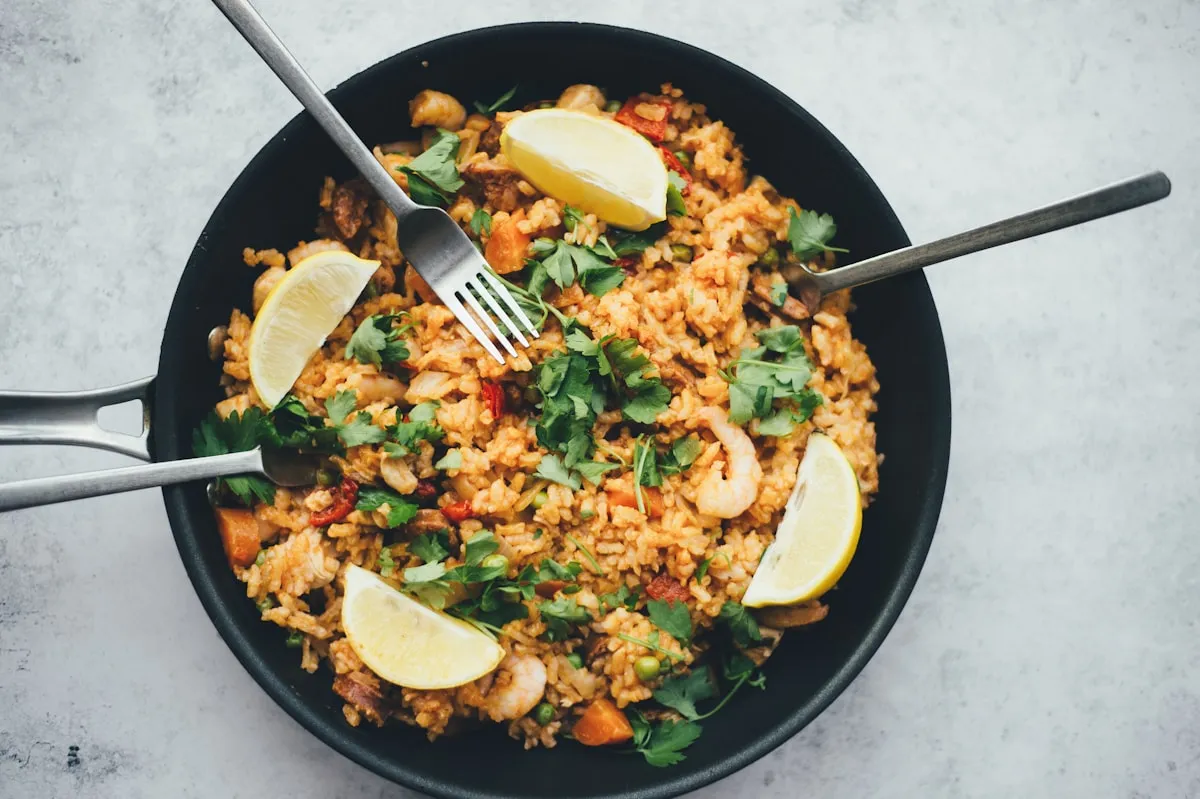
Flavor Variations: Balance and Brightness
The secret to making a fast meal taste expensive is balance. When you only have 15 minutes, you can't rely on complex reductions, so you must use high-impact ingredients to hit all parts of your palate.
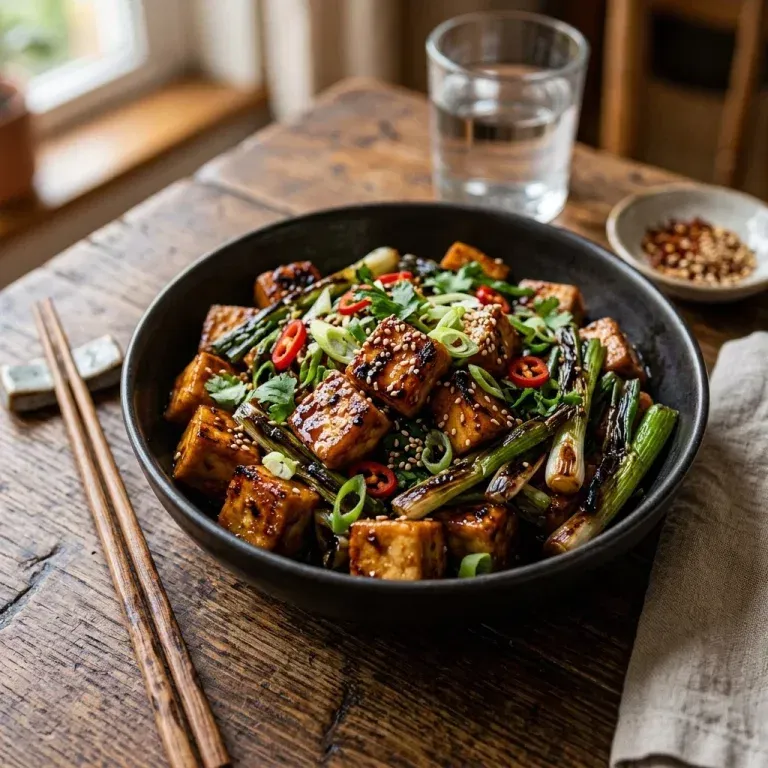
If your dish feels heavy or "flat," it’s likely missing acidity. A squeeze of fresh lime, a splash of rice vinegar, or a spoonful of capers can wake up a dish instantly. For a plant-based twist, try a tofu stir-fry using extra-firm tofu that has been pressed and cubed small. The high surface area of the cubes allows them to soak up a soy-ginger glaze in seconds.
If you are looking for quick family meals that satisfy everyone, lean into the "build-your-own" concept. Prepare a base, like quick-cook couscous or thin rice noodles, and let people add their own "high-impact" toppings like toasted sesame seeds, pickled red onions, or a dollop of Greek yogurt. This keeps the active cooking time low while providing variety. For those following specific lifestyles, these bases are easily swapped; use cauliflower rice for keto-friendly options or zoodles for a lighter, plant-forward plate.
Smart Side Dish Pairings
Don't let the side dish derail your timeline. If the main takes 15 minutes, the side should take five, or zero. The goal is to provide a textural contrast or a temperature shift.
- The Zesty Green: A simple arugula or spinach salad requires no cooking. Toss it with a quick vinaigrette (3 parts oil, 1 part acid) right in the bowl you’re serving it in. The peppery bite of arugula cuts through the richness of seared meats or creamy pastas.
- The 5-Minute Slaw: Shredded cabbage or pre-bagged slaw mix is a lifesaver. Whisk together a little mayo, apple cider vinegar, and a pinch of sugar. It adds a crucial crunch to air fryer recipes dinner guests will love.
- Flash-Steamed Veg: Use the "boiling water" hack. While your pan is heating up, pour a little boiling water from the kettle over frozen peas or thin asparagus spears in a bowl. Let them sit for three minutes, drain, and season. It’s faster and more energy-efficient than a steamer basket.
FAQ: Solving Your Quick-Cooking Dilemmas
What if my pan is too crowded?
Avoid this at all costs. Overcrowding drops the temperature of the pan instantly, causing the food to release moisture and steam rather than sear. If you have too much food for one pan, cook in two quick batches. It actually takes less time to cook two batches of perfectly seared meat than one giant pile of gray, soggy protein that refuses to brown.
Can I use frozen meat for 15-minute meals?
Generally, no, unless it’s very thin (like frozen shrimp or shaved steak). For a true 15-minute window, you need the protein to be thawed so the heat can penetrate the center immediately. However, you can "cheat" by using the defrost setting on a microwave for 2 minutes just to take the chill off, then finishing in the pan.
Why does my "quick" pasta always take longer than 15 minutes?
You’re likely waiting too long for the water to boil. Use a kitchen kettle to boil the water first, then pour it into the pot. It’s significantly faster than the stovetop alone. Also, choose "thin" shapes like angel hair or fresh pasta from the refrigerated section, which cook in 2–3 minutes compared to the 10–12 minutes for thick dried rigatoni.
How do I get that "char" flavor in an air fryer?
To get the best results for air fryer recipes dinner, don't skip the oil. Even a light spray helps the air circulate heat more effectively against the surface of the food. Also, preheat the air fryer for 3 minutes before adding your ingredients. This mimics the "hot pan" effect and ensures you get crispy edges rather than just "baked" textures.
Is it okay to use jarred or canned ingredients?
Absolutely. Use them as "flavor foundations." A high-quality jarred marinara or a canned chipotle in adobo saves you 20 minutes of chopping and simmering. The "hack" is to fresh them up at the end with a handful of fresh herbs or a squeeze of lemon juice so they don't taste like they came from a shelf.
My food is cooked but the sauce is watery. What now?
Turn the heat to maximum and use a whisk. Rapid evaporation is the key. By increasing the heat and moving the liquid, you drive off the water while leaving the fats and flavors behind. This should take no more than 60 seconds if your pan is wide enough.
{“@type”:”BlogPosting”,”image”:”https://cdn.marblism.com/H3jIyWSLNIU.webp”,”author”:{“name”:”Cookpedia”,”@type”:”Organization”},”@context”:”https://schema.org”,”headline”:”Stop Wasting Time on Dinner: Try These 7 Quick 15 Minute Meal Hacks”,”publisher”:{“logo”:{“url”:”https://cookpedia.com/logo.png”,”@type”:”ImageObject”},”name”:”Cookpedia”,”@type”:”Organization”},”mainEntity”:[{“name”:”What if my pan is too crowded?”,”@type”:”Question”,”acceptedAnswer”:{“text”:”Overcrowding drops the pan temperature, causing food to steam rather than sear. Cook in two batches to ensure a proper Maillard reaction and faster overall results.”,”@type”:”Answer”}},{“name”:”Can I use frozen meat for 15-minute meals?”,”@type”:”Question”,”acceptedAnswer”:{“text”:”Only if it is very thin, like shrimp. Otherwise, thaw protein first or use a microwave defrost setting briefly to ensure heat can reach the center within the 15-minute window.”,”@type”:”Answer”}}],”description”:”Learn science-based hacks for 15 minute meals. Master heat transfer, the Maillard reaction, and residual heat to get healthy dinner ideas on the table fast.”,”datePublished”:”2026-07-16″,”mainEntityOfPage”:{“@id”:”https://cookpedia.com/quick-15-minute-meal-hacks”,”@type”:”WebPage”}}