Recipe
Servings
Servings 1×
Ingredients
- Pasta
- Zucchini
- Corn
- Tomatoes
- Lemon
- Balsamic vinegar
- Cream
- Hard cheese
- Butter
Method
- Start by introducing your cornmeal to simmering liquid.
- Use a whisk to stir constantly during the initial phase.
- Use at least a 4:1 ratio of liquid to cornmeal.
- Keep the pot covered to trap steam, which maintains the hydration levels necessary for that total structural collapse.
- Stir it in at the very end to preserve its delicate B-vitamins and nutty aroma.
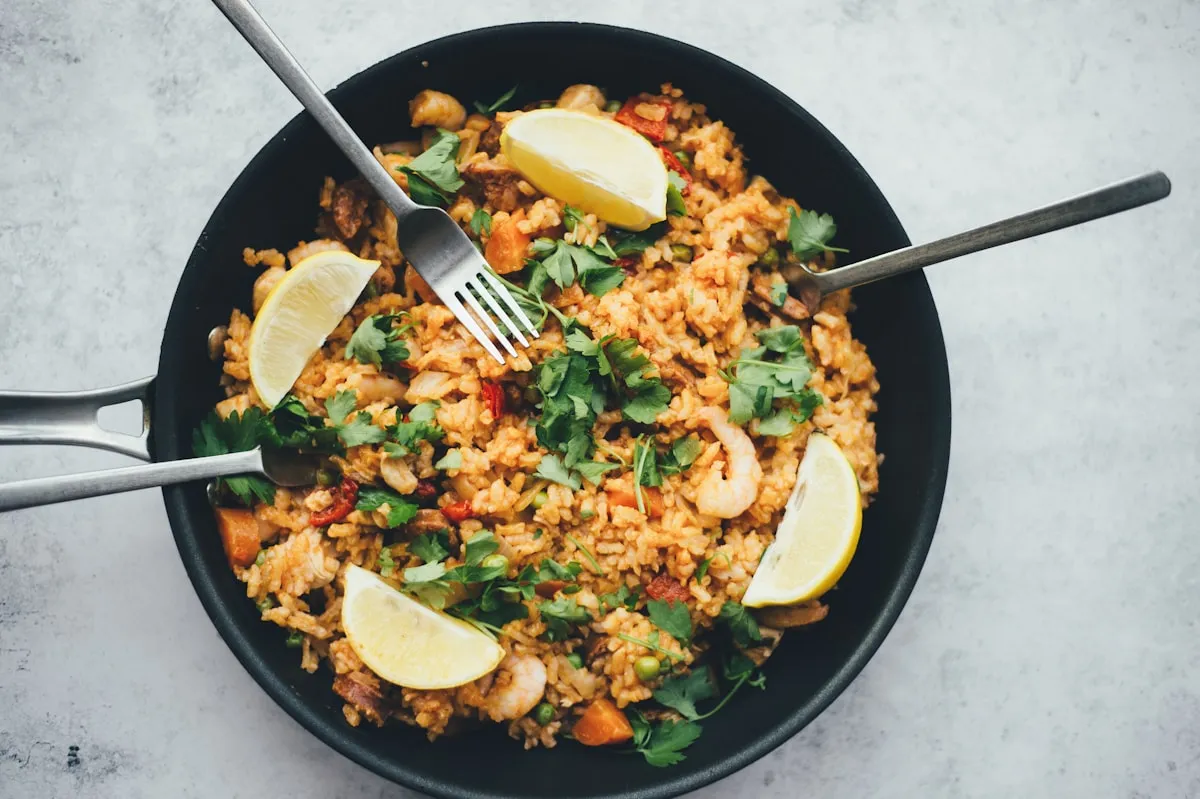
If you have ever stared at a pot of gritty, yellow water and wondered how on earth it turns into a velvet-smooth, buttery cloud of comfort, you are about to fall in love with molecular gastronomy. Polenta is more than just "corn mush"; it is a spectacular display of starch gelatinization in action. This dish is my go-to when I want something that feels like a hug but looks like a gourmet restaurant meal. It is one of those healthy dinner ideas that relies on physics rather than heavy cream to achieve luxury.
The Physics of the Perfect Porridge: Starch Gelatinization
At its heart, cooking polenta is an exercise in managing the behavior of starch granules. These tiny packages of energy within cornmeal are tightly packed and semi-crystalline in their raw state. If you try to eat them dry, they are hard and indigestible. To transform them, you need to navigate the three stages of gelatinization: hydration, swelling, and leaching.
Start by introducing your cornmeal to simmering liquid. Hydration begins as water molecules force their way into the starch granules. However, the real magic happens once the temperature hits the 62–72°C (144–162°F) range. This is the "onset" temperature where the granules begin to swell significantly, absorbing water until they are many times their original size. If you keep the heat consistent, you reach the point of no return, the crystalline structure of the starch collapses, and it becomes a semi-solid gel.
Maintain a steady, low heat to ensure this happens uniformly. If the heat is too high, the outside of the grains gelatinizes while the center remains raw and crunchy. Use a whisk to stir constantly during the initial phase. This mechanical action prevents clumping, which occurs when the outer layer of a "clump" gelatinizes and creates a waterproof seal around the dry meal inside. Check the texture frequently; you are aiming for the point where amylose, the linear starch molecule, leaches out of the granules and into the surrounding liquid. This amylose creates the "network" that holds everything together in a smooth, viscous sauce.
Achieving a glossy finish is similar to how you might manage achieving a perfect glossy sauce in pasta dishes. The liquid ratio is critical. Use at least a 4:1 ratio of liquid to cornmeal. Avoid rushing the process; coarse-ground cornmeal requires a longer "cooking window" because the water must travel further to reach the center of each grain. If the water evaporates before the granules have fully swollen, you’ll end up with a gritty, thick paste. Keep the pot covered to trap steam, which maintains the hydration levels necessary for that total structural collapse.
Flavor Profiles and Texture Variations
The beauty of polenta lies in its neutrality, making it a canvas for chemical balance. While the science of the starch stays the same, how you interrupt the gel network changes the mouthfeel.
If you want a richer, more decadent texture, introduce fats like butter or mascarpone only after the gelatinization is complete. Adding fat too early can actually coat the starch granules and slow down their ability to absorb water, leading to an uneven cook. Once the grains are soft, fold in your fats to create a temporary emulsion that coats the starch gel, giving you that signature "liquid gold" appearance.
For those looking for quick family meals, consider using a finer grind of cornmeal. The smaller the particle size, the faster the water can penetrate and reach the gelatinization temperature. You can also experiment with the liquid base. While water is traditional, using a high-sodium broth or a splash of milk can alter the "gel" strength. Proteins and fats in milk interact with the amylose to create a softer, more delicate set that is perfect for serving immediately. If you prefer a firmer polenta that can be sliced and fried later, stick to water and a slightly lower hydration ratio, allowing the amylose to form more "junction zones" as it cools and sets into a rigid structure.
Science-Backed Side Dish Pairings
To elevate your creamy polenta, you need to think about contrast, specifically, acidity and crunch to cut through the heavy starch. Roasted vegetables are the ultimate partner here because the Maillard reaction (the browning of sugars and amino acids) provides a savory, complex depth that simple boiled corn lacks.
Think about using an air fryer for your vegetable topping. It is one of my favorite air fryer recipes dinner hacks because the high-speed convection removes surface moisture rapidly, leading to concentrated flavors and a crisp texture that pops against the soft polenta. For a step-by-step on mastering the air fryer for quick sides, check out this guide on the ultimate comfort food cheat code.
Bell peppers, zucchini, and cherry tomatoes are ideal candidates for roasting. The acidity in the tomatoes is particularly important; it acts as a palate cleanser, preventing the creamy starch from becoming too cloying. If you are feeling bold, add a splash of balsamic vinegar or a squeeze of lemon juice to the vegetables after they come out of the oven. The acid breaks down some of the richness on the tongue, making every bite of polenta taste as fresh as the first.
Polenta FAQ: Troubleshooting the Starch
Why is my polenta still gritty after an hour of cooking?
Grittiness usually means the starch granules haven't fully gelatinized. This happens if your simmer wasn't hot enough (remember, you need to hit that 95°C threshold for full gelatinization) or if you didn't use enough water. If you run out of liquid before the grains are soft, whisk in a half-cup of boiling water and keep going. Never add cold water, as it drops the temperature and stalls the swelling process.
Can I make this ahead of time?
Yes, but remember that starch undergoes "retrogradation" as it cools. The amylose molecules line up and bond together, pushing water out (syneresis) and turning your creamy polenta into a solid block. To reheat it, you must break those bonds by adding liquid and heat, whisking vigorously to re-establish the gel.
Why does my polenta have lumps?
Lumps are the result of "dry pockets." When you add cornmeal to hot water too quickly, the starch on the outside of a clump gelatinizes instantly, forming a barrier that prevents water from reaching the dry center. To avoid this, rain the cornmeal into the water in a very thin, steady stream while whisking constantly. Think of it like sand falling through an hourglass.
Is polenta healthy?
Absolutely. As far as healthy dinner ideas go, cornmeal is a complex carbohydrate that provides sustained energy. It is naturally gluten-free and, when paired with a mountain of roasted vegetables, offers a high-fiber, nutrient-dense meal that keeps you full without the "heavy" feeling of wheat-based pastas.
How do I get a "cheesy" flavor without dairy?
If you are avoiding dairy, nutritional yeast is your best friend. From a chemical perspective, it provides the umami (savory) compounds that mimic the flavor profile of aged parmesan. Stir it in at the very end to preserve its delicate B-vitamins and nutty aroma.