Recipe
Servings
Servings 1×
Ingredients
- Ground turkey
- Pasta
- Noodles
- Bread
- Broccoli
- Garlic
- Lemon
- Pesto
- Hard cheese
- Butter
- Cooking oil
- Salt
- Black pepper
Method
- Let’s ditch the soggy strings and master the art of the perfect, healthy weeknight dinners.
- Cut your squash into rings.
- Let them sit for at least 15 to 20 minutes.
- Toss them together just before serving, or better yet, plate the squash and ladle the sauce over the top.
- Keep the portion small to stay within your healthy dinner goals, but don't skip the satisfaction factor.
If you’ve ever tried to swap pasta for a vegetable and ended up with a sad, watery puddle on your plate, you aren't alone. We’ve all been there, staring at a mound of squash that looks more like mush than "spaghetti." But here’s the thing: spaghetti squash is a masterpiece of plant-based dinner ideas when you respect the science of the squash. This isn't just about eating your greens; it’s about achieving that elusive al dente texture that stands up to a robust marinara. Let’s ditch the soggy strings and master the art of the perfect, healthy weeknight dinners.
The Science of the Strands: Moisture Control
The biggest enemy of a successful spaghetti squash dish is water. Like many vegetables, this squash is packed with internal moisture that wants to escape the moment heat hits it. If you roast it whole or simply cut it in half and throw it in the oven, that water steams the flesh from the inside out. The result? Cellular collapse and mush. To get those long, distinct noodles, you need to change your geometry and your chemistry.
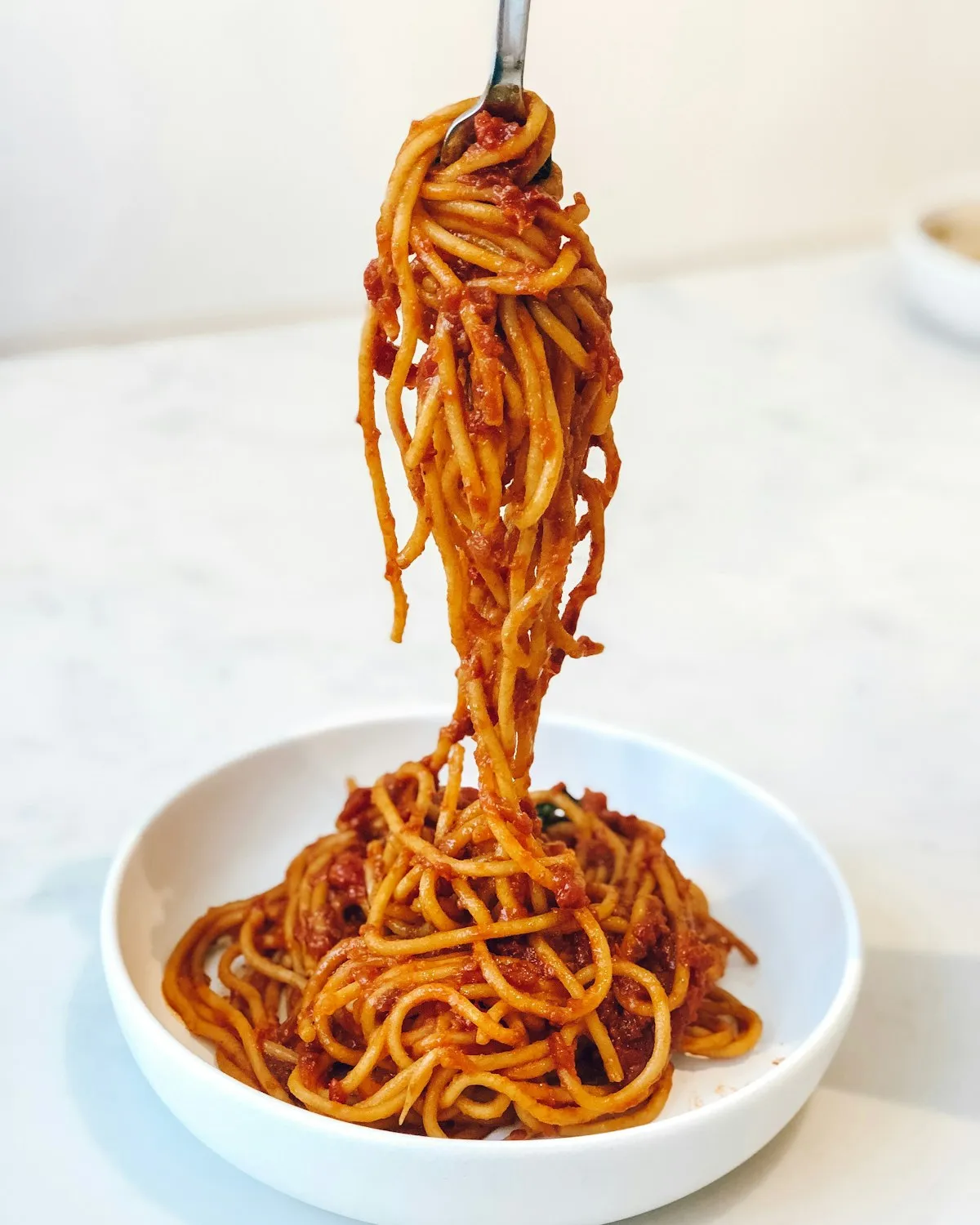
Cut your squash into rings. Most people cut the squash lengthwise, from stem to blossom. Stop doing that. The fibers of the squash actually run in a circular direction around the center. By cutting 1.5-inch thick rings crosswise, you keep the fibers intact. This results in much longer, more satisfying strands that actually resemble spaghetti.
Embrace the power of osmosis. Once your rings are cut, lay them out and sprinkle them generously with coarse salt. Let them sit for at least 15 to 20 minutes. You’ll literally see beads of water pooling on the surface. This is osmosis at work, drawing out the excess moisture that would otherwise turn your dinner into a soup. Wipe that moisture away with a clean towel before roasting. This "dry-roasting" technique is the secret to a firm bite.
Use high, dry heat. Avoid the old-school method of putting water in your roasting pan. We want to roast, not braise. Set your oven to 425°F (220°C). This high temperature creates a quick sear on the surface and evaporates remaining water rapidly. It also encourages a bit of caramelization, which adds a nutty depth to your squash that pairs perfectly with the acidity of a marinara. Much like finding the best air fryer recipes dinner, the goal here is concentrated flavor and optimal texture through dry heat.
Perfecting the Marinara Marriage
A thin, watery sauce is a death sentence for this dish. Since the squash doesn't absorb liquid the same way flour-based pasta does, your marinara needs to be thick and "clingy." If you’re using a store-bought jar or a quick homemade batch, simmer it uncovered until it reduces. You want a sauce that holds its shape on a spoon.
Balance the acidity. Tomato sauce is naturally acidic, and squash is naturally sweet. To bridge that gap, finish your sauce with a small knob of butter or a glug of high-quality olive oil. The fat creates a luxurious mouthfeel and helps the sauce adhere to the slick squash strands. For more tips on getting that professional finish, check out my guide on achieving the perfect glossy sauce.
Toss, don't boil. When it’s time to combine, do not let the squash sit in a simmering pot of sauce for ten minutes. It will overcook instantly. Instead, keep your sauce hot and your squash warm. Toss them together just before serving, or better yet, plate the squash and ladle the sauce over the top. This preserves the structural integrity of the "noodles" and ensures you aren't eating a plate of vegetable mush.
Flavor Variations for Every Palate
While marinara and basil is a classic for a reason, this technique is a canvas for dozens of other healthy dinner ideas. The key is maintaining the balance of richness and acidity.
- The Protein Boost: If you want to transform this into one of those quick family meals that satisfies the meat-eaters, add some browned ground turkey or Italian sausage to your marinara. The savory fats from the meat play beautifully against the sweetness of the roasted squash.
- The Spicy Kick: Add a heavy pinch of red pepper flakes and some roasted garlic to the squash strands before saucing. This creates a "fra diavolo" style dish that packs a punch.
- The Cheesy Crust: Once sauced, top the dish with a mixture of mozzarella and Parmesan and pop it under the broiler for two minutes. This adds a salty, chewy texture that mimics a baked ziti.
- The Pesto Twist: If you’re tired of red sauce, toss your roasted strands in a vibrant basil pesto. The nuttiness of the pine nuts and the sharpness of the pecorino emphasize the squash’s natural flavor without overwhelming it.
Smart Side Dish Pairings
When planning your healthy weeknight dinners, think about contrast. Spaghetti squash is soft and slightly sweet, so your sides should provide crunch or a bright, sharp counterpoint.
Go for the crunch. A crisp arugula salad with a lemon-truffle vinaigrette is the perfect partner. The peppery bite of the arugula cuts right through the richness of the marinara. If you want something heartier, roast some broccoli florets at the same high temperature as your squash. The charred, crispy edges provide a textural contrast that the squash lacks.
Don't forget the bread. While we’re going lower-carb with the squash, a small piece of toasted sourdough or a garlic-rubbed crostini is non-negotiable for some. It serves as the "mop" for any leftover marinara and provides that satisfying crunch. Keep the portion small to stay within your healthy dinner goals, but don't skip the satisfaction factor.
FAQ: Troubleshooting Your Squash
Why is my spaghetti squash still crunchy?
Usually, this means you didn't roast it long enough or your oven temperature was too low. While we want "al dente," it shouldn't feel like eating raw cabbage. If the strands don't pull away easily with a fork, put it back in for another 5 to 10 minutes.
Can I make this in an air fryer?
Absolutely. If you’re looking for air fryer recipes dinner alternatives for a smaller portion, you can air fry the rings at 400°F for about 15-20 minutes. It’s a great way to save time if you’re only cooking for one or two people. Just make sure not to crowd the basket, or they will steam instead of roast.
Can I prep this ahead of time?
Yes, but with a warning. You can roast the squash and shred the strands up to two days in advance. Store them in an airtight container with a paper towel at the bottom to catch any extra moisture. When you're ready to eat, reheat them quickly in a dry skillet over medium-high heat. Avoid the microwave if possible, as it tends to make the squash lose its structure.
Is it normal for the squash to smell slightly sweet?
Yes! Spaghetti squash is a winter squash, meaning it has a higher sugar content than summer squash (like zucchini). This is why the salt-and-roast method is so important: it concentrates those sugars and develops a complex flavor that balances out a savory, salty marinara sauce.
What if my squash is too small to cut into rings?
If you have a tiny "personal-sized" squash, cutting it into rings might be difficult. In that case, cut it in half lengthwise, but still use the salting technique. Lay the halves face-down on the baking sheet to allow the moisture to drip out rather than pooling in the "bowl" of the squash.
{“@type”:”BlogPosting”,”image”:”https://cdn.marblism.com/ZLQlfUCoCRi.webp”,”author”:{“name”:”Penny”,”@type”:”Person”},”@context”:”https://schema.org”,”headline”:”Spaghetti Squash with Marinara & Basil”,”keywords”:”plant-based dinner ideas, healthy weeknight dinners, spaghetti squash recipes, healthy dinner ideas”,”publisher”:{“url”:”https://cookpedia.com”,”name”:”Cookpedia”,”@type”:”Organization”},”description”:”Master the science of spaghetti squash with our pro tips for perfect, non-mushy strands paired with a rich marinara and fresh basil.”,”datePublished”:”2026-05-22″,”mainEntityOfPage”:{“@id”:”https://cookpedia.com/spaghetti-squash-marinara-basil”,”@type”:”WebPage”}}