Recipe
Servings
Servings 1×
Ingredients
- Asparagus
- Spinach
- Avocado
- Tomatoes
- Garlic
- Lemon
- Lime
- Butter
- Cooking oil
- Salt
- Black pepper
Method
- Start with "dry-packed" scallops.
- Pat them with paper towels until the towel comes away bone-dry.
- Use grapeseed, avocado, or refined olive oil.
- Heat the pan until the oil shimmers and just begins to wisps of smoke.
- Place the scallops in the pan like you’re setting a clock, start at twelve and work your way around.
- Give them another thirty seconds.
There is a specific kind of magic in the kitchen when a luxury ingredient requires almost no time to prepare. Scallops are the crown jewels of quick healthy meals, they are naturally sweet, incredibly tender, and demand a level of minimalist respect that most proteins simply can't handle. If you have fifteen minutes and a heavy pan, you have a gourmet dinner. Forget the complicated multi-step processes; we are going straight for soulful, high-impact flavor.
The Physics of the Perfect Sear
Mastering the scallop is less about "cooking" and more about managing thermodynamics. To get that iconic, candy-like crust, you must understand the Maillard reaction. This chemical dance between amino acids and reducing sugars only happens at high heat, and it is the enemy of moisture. If your scallops are wet, they will not sear; they will steam. Steamed scallops are rubbery, pale, and frankly, a heartbreak.
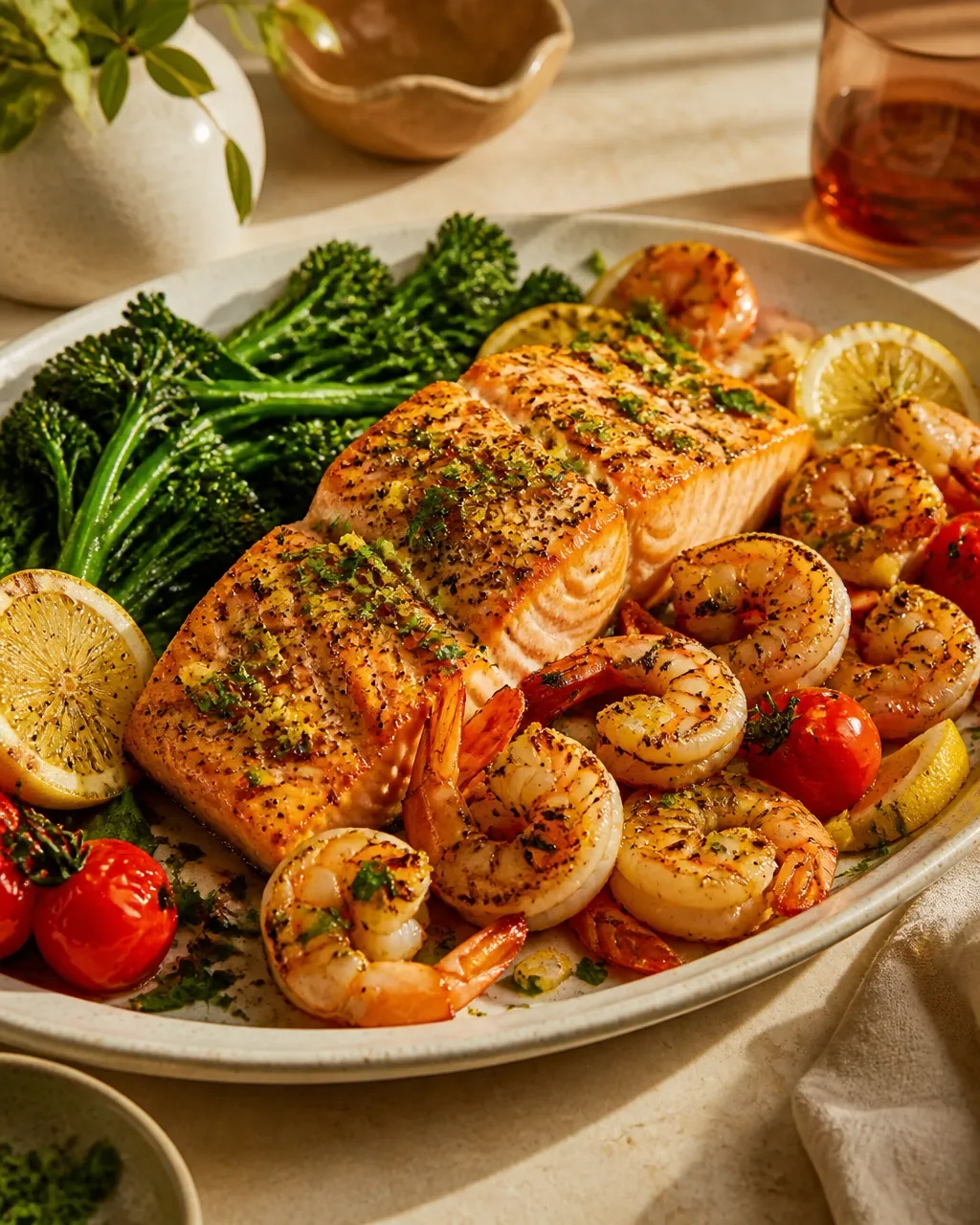
Start with "dry-packed" scallops. In the world of seafood, "wet-packed" means the scallops have been soaked in a phosphate solution to preserve them (and add water weight). This solution makes it nearly impossible to get a good crust because the scallop will purge that liquid the moment it hits the heat. If you can only find wet-packed, you need to be aggressive. Pat them with paper towels until the towel comes away bone-dry. Then, do it again. Every drop of surface water is a local temperature drop in your pan that prevents browning.
Choose a heavy-bottomed pan, preferably stainless steel or cast iron. These materials hold onto heat better than thin aluminum, which is vital when you drop cold scallops into the oil. Speaking of oil, avoid extra-virgin olive oil for the initial sear. Its smoke point is too low, and it will turn bitter before the scallops are done. Use grapeseed, avocado, or refined olive oil. Heat the pan until the oil shimmers and just begins to wisps of smoke.
Place the scallops in the pan like you’re setting a clock, start at twelve and work your way around. This helps you remember which one went in first. Once they hit the metal, do not touch them. Resisting the urge to peek is a non-negotiable. If you move them, you break the contact required for the crust to form. You’ll know they are ready to flip when they release naturally from the pan. If they stick, they aren't done yet. Give them another thirty seconds.
Balancing the Plate: Variations
While a squeeze of lemon and a pinch of flaky salt are the gold standard, you can play with the flavor profile by focusing on balance. Scallops are rich and buttery, so they crave acidity and brightness to cut through that density.
- The Mediterranean Twist: Instead of just lemon, deglaze the pan with a splash of dry white wine and toss in a few capers. The briny punch of the capers provides a sharp contrast to the sweetness of the seafood.
- The Spicy Minimalist: Infuse your searing oil with a pinch of red pepper flakes or a smashed garlic clove. The heat creates a soulful depth that lingers on the palate without overshadowing the delicate scallop.
- The Herbaceous Finish: Swap the lemon for a lime and cilantro finish. The citrus profile changes from bright and sunny to sharp and zesty, which works beautifully if you are leaning toward a more tropical vibe.
Soulful Pairings for the Busy Home Cook
Because this is one of those quintessential quick family meals, you don't want to spend an hour on the sides. The goal is to maintain that "15-minute" energy across the whole table.
For a light and refreshing option, look toward healthy dinner ideas like a simple arugula salad tossed in a basic lemon vinaigrette. The peppery bite of the greens is the perfect foil for the rich scallops. If you need something heartier, a quick-cooking couscous or a bed of wilted spinach with garlic provides a soft texture that doesn't compete with the star of the show.
If you are already a fan of air fryer recipes dinner staples, you know that efficiency is key. While the scallops demand the pan for that crust, you can easily roast some asparagus or cherry tomatoes in the air fryer simultaneously to round out the meal without adding extra stovetop chaos.
The Scallop Troubleshooting Guide (FAQ)
Why did my scallops turn out rubbery?
Usually, this is a result of overcooking. Scallops continue to cook for a minute after you take them out of the pan. Aim for an internal temperature of about 120°F (49°C). The center should still look slightly translucent and feel springy, not firm. If they feel like a bouncy ball, they’ve gone too far.
Can I use frozen scallops for this?
Yes, but you must thaw them completely in the refrigerator first. Frozen scallops often hold more moisture, so the "drying" step becomes twice as important. Thaw, drain, and pat them dry multiple times. If they are still leaking moisture, let them sit uncovered in the fridge for 30 minutes to air-dry the surface.
What is that little tough bit on the side?
That is the abductor muscle, often called the "foot." It’s a small, rectangular piece of tissue attached to the side of the scallop. It’s not harmful, but it’s incredibly tough and fibrous. Use your fingers to peel it off before cooking. It should pop right off.
Why didn't I get a brown crust?
Two likely culprits: either the pan wasn't hot enough, or the scallops were too crowded. If you put too many scallops in at once, the temperature of the pan drops significantly, and the moisture they release creates a steam bath. Cook in batches if your pan is small. Use enough oil to coat the bottom; the oil is the medium that transfers heat into all the nooks and crannies of the scallop surface.
Can I use butter instead of oil?
Butter has a low smoke point because of the milk solids. If you try to sear with it from the start, the butter will burn before the scallop browns. Use oil for the sear, and if you want that buttery flavor, add a knob of butter to the pan in the last 30 seconds of cooking. Spoon the melting, foaming butter over the scallops (this is called basting) to add flavor and a final hit of browning.
{“@type”:”BlogPosting”,”image”:[“https://cdn.marblism.com/mzHFOvoRn0c.webp”,”https://cdn.marblism.com/xPnZYPFZIR7.webp”,”https://cdn.marblism.com/JpjcOsuOPdF.webp”,”https://cdn.marblism.com/fi56FMQgEQB.webp”,”https://cdn.marblism.com/TGe1pvd_DJZ.webp”],”author”:{“name”:”Penny”,”@type”:”Person”},”@context”:”https://schema.org”,”headline”:”Simple Elegance: 15-Minute Pan-Seared Scallops with Lemon”,”publisher”:{“logo”:{“url”:”https://cdn.marblism.com/r31hCYxu5lk.webp”,”@type”:”ImageObject”},”name”:”Cookpedia”,”@type”:”Organization”},”description”:”Learn the science behind the perfect 15-minute pan-seared scallops. Discover how to master the Maillard reaction for a golden crust and soulful flavor.”,”datePublished”:”2026-06-06″,”mainEntityOfPage”:{“@id”:”https://cookpedia.com”,”@type”:”WebPage”}}