Recipe
Servings
Servings 1×
Ingredients
- Chickpeas
- Eggs
- Bread
- Kale
- Cucumber
- Tomatoes
- Lemon
- Tahini
- Coconut milk
- Cream
- Cheddar
- Butter
- Cooking oil
- Chili seasoning
- Salt
- Black pepper
Method
- Let’s dive into the science of why this combo works and how you can master it every single time.
- Use a heavy skillet and maintain a medium-low heat.
- Start by browning your tomato paste.
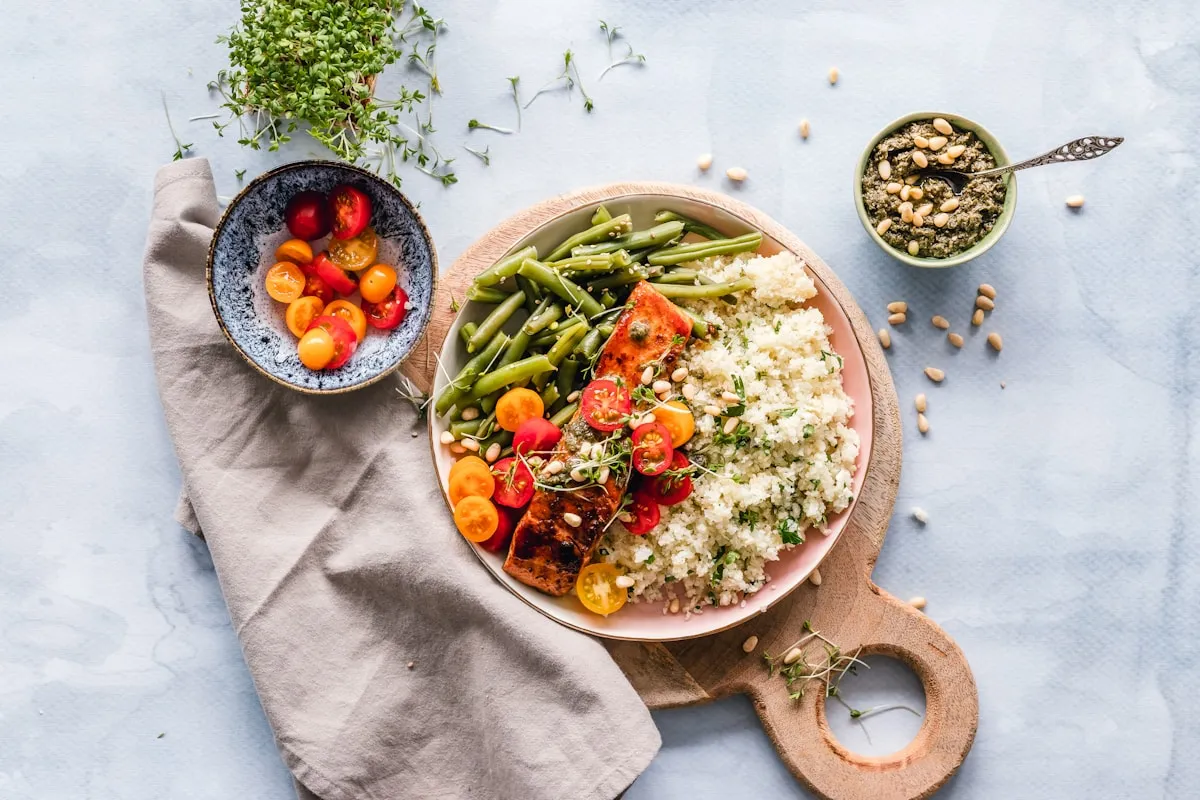
There is a specific kind of magic in a bowl of tomato soup and a crispy grilled cheese. It’s the ultimate comfort duo, but if you think it’s just for kids or rainy days, think again. I’ve spent way too much time obsessing over how to turn these pantry staples into something that feels like a five-star meal without breaking the bank. These are the kind of quick family meals that actually nourish your soul while staying firmly in the category of healthy dinner ideas. Let’s dive into the science of why this combo works and how you can master it every single time.
The Chemistry of the Crunch and the Tang
Cooking isn't just about following a list; it’s about managing chemical reactions in your kitchen. When you’re making these quick family meals, the most important reaction to understand is the Maillard reaction. This is the holy grail of flavor. It occurs when amino acids and reducing sugars in your food meet high heat, creating hundreds of new flavor compounds that taste nutty, savory, and complex.
For the grilled cheese, the Maillard reaction happens on the surface of your bread. If you’ve ever wondered why mayo-crusted bread browns more evenly than buttered bread, it’s because mayo is an emulsion of oil and egg (protein), providing a more uniform distribution of the "fuel" needed for that browning. Use a heavy skillet and maintain a medium-low heat. If you go too hot, you’ll burn the exterior before the cheese reaches its "glass transition temperature", the point where it actually flows and becomes that gooey delight we all crave.
Now, let's talk about the soup. Most people just dump canned tomatoes into a pot and call it a day. Don't be that person. You need to build a flavor base. Start by browning your tomato paste. This is "triple-concentrated" Maillard in a tube. When you sauté that paste in a little fat until it turns from bright red to a deep brick color, you are caramelizing those natural sugars and creating a depth that simple simmering can't achieve.
Acidity is the other big player here. Tomatoes are naturally high in citric and malic acids. If your soup tastes a bit sharp or metallic, you need to balance the pH. A tiny pinch of baking soda, I’m talking a quarter teaspoon for a whole pot, can chemically neutralize some of that acid. It will foam up for a second (that’s the CO2 escaping), but the result is a much smoother, rounder flavor. Alternatively, you can balance the acid with fat. Stirring in a knob of butter or a splash of cream at the end doesn't just make it "creamy"; the fat molecules actually coat your tongue, softening the "punch" of the acid.
Check your seasoning constantly. Salt doesn't just make things salty; it suppresses bitterness and enhances sweetness. If your soup feels "flat," it usually lacks salt, not herbs. Since these are healthy dinner ideas, you can use high-quality sea salt to make those flavors pop without needing excessive sodium.
Elevating the Classics with Variations
While the classic version is hard to beat, you can easily pivot this into different culinary territories. If you want to keep things in the realm of air fryer recipes dinner, try making your grilled cheese in the air fryer! The circulating hot air creates an incredibly even, 360-degree crunch that is hard to replicate in a pan. Just make sure to weigh down the top slice of bread so it doesn't fly off.
For a spicy twist, add a spoonful of calabrian chili paste or red pepper flakes to your aromatics while they sauté. This adds a "back-of-the-throat" heat that cuts through the richness of the cheese. If you’re looking for a plant-based version, swap the heavy cream for full-fat coconut milk or a blended cashew cream. The fats in cashews are surprisingly similar in mouthfeel to dairy fats, ensuring you don't lose that luxurious texture.
You can also experiment with your cheese blends. A sharp cheddar provides the classic bite, but adding a little bit of Gruyère or Fontina will give you a superior melt and a nutty aroma. Even a slice of high-quality American cheese can act as an emulsifier for the other "real" cheeses, preventing them from becoming oily or stringy thanks to the sodium citrate often found in processed slices.
Perfect Pairings for a Balanced Plate
A bowl of soup and a sandwich is a meal in itself, but if you want to round things out, look for side dishes that provide a textural contrast. Since the main meal is soft, warm, and rich, a bright, crunchy salad is the way to go. Consider a simple arugula salad with a lemon-tahini dressing. The bitterness of the arugula and the acidity of the lemon help "reset" your palate between bites of rich, cheesy bread.
If you’re leaning into the air fryer recipes dinner theme, try some quick air-fried kale chips or roasted chickpeas. They add a much-needed crunch and a boost of fiber. Another great option is a quick pickled cucumber salad. The vinegar in the pickles acts as a palate cleanser, cutting through the dairy and making every spoonful of soup taste as vibrant as the first.
For more inspiration on balancing heavy flavors with fresh greens, check out my guide on the Spicy Tomato Basil One-Pot Linguine, where I talk about achieving that perfect glossy finish that feels indulgent but remains light.
FAQ: Solving Your Soup and Sandwich Struggles
Why does my tomato soup sometimes taste metallic?
This usually happens when you use canned tomatoes that have reacted with the lining of the can, or if the tomatoes themselves are very acidic. To fix this, use the baking soda trick I mentioned earlier. Also, make sure you're using a non-reactive pot (like stainless steel or enameled cast iron). Aluminum or unlined copper pots can react with the acid in tomatoes and impart a metallic tang.
Can I make this a "healthy dinner idea" without losing the flavor?
Absolutely. Use low-sodium broth and focus on building flavor through aromatics like onions, garlic, and celery. Instead of heavy cream, blend a portion of the soup with a handful of cooked white beans or silken tofu. It adds incredible creaminess and a protein boost without the saturated fat. For the grilled cheese, use a high-quality sourdough which is often easier on the gut and provides a more complex flavor profile.
My grilled cheese is soggy. What am I doing wrong?
You’re likely using too much fat or your heat is too low. The bread needs to "fry" quickly enough to create a crust that acts as a barrier. If the heat is too low, the fat just soaks into the bread fibers before it can crisp up. Also, avoid putting high-moisture ingredients (like fresh tomato slices) directly against the bread. Put the cheese down first to create a waterproof seal.
How do I get the cheese to melt perfectly without burning the bread?
This is a classic heat management issue. Use a lid! By covering the skillet for the first two minutes, you trap the steam and heat, which helps the cheese melt rapidly. Once the cheese is starting to go, remove the lid to let the moisture escape and finish browning the bread. This technique is a lifesaver for quick family meals when you’re in a rush but still want that perfect "pull."
Is it worth using fresh tomatoes instead of canned?
In the peak of summer, yes. But for most of the year, canned tomatoes are actually superior. They are picked and packed at the height of ripeness, whereas the "fresh" ones at the grocery store in December are often mealy and bland. If you do use fresh, roast them in the oven first with some olive oil and garlic to concentrate their sugars and drive off excess water.
For more hands-off cooking tips, you might enjoy my take on the Air Fryer Sausage, Pepper, and Onion Medley, which is another fantastic example of how to use simple techniques for maximum flavor.