Recipe
Servings
Servings 1×
Ingredients
- Chicken
- Pasta
- Noodles
- Bread
- Butter
- Cooking oil
- Turmeric
- Salt
Method
- Prepare the ingredients described in the article and heat the cooking surface or oven as directed.
- Cook the main ingredients using the heat and timing guidance in the article.
- Finish with the seasonings and garnishes named in the article, then serve.
You know those nights when you want a meal that feels like a warm hug but you only have the energy for a handshake? That’s where this Moroccan couscous comes in. It’s the ultimate secret weapon for anyone craving quick healthy meals without the soul-crushing cleanup of a five-course feast. In just fifteen minutes, you can transform humble pantry staples into a vibrant, aromatic bowl that tastes like it spent all afternoon simmering in a Marrakech kitchen.
The Science of the Perfect Fluff
The biggest mistake you can make with couscous is treating it like pasta. Stop boiling it in a pot of rolling water; it’s not a noodle, it’s a tiny granule of pre-steamed semolina. When you submerge it in too much boiling liquid and leave the heat on, you trigger a massive starch release that turns your dinner into a gummy, cohesive brick. To achieve that legendary cloud-like texture, you need to master the 1:1 hydration ratio.
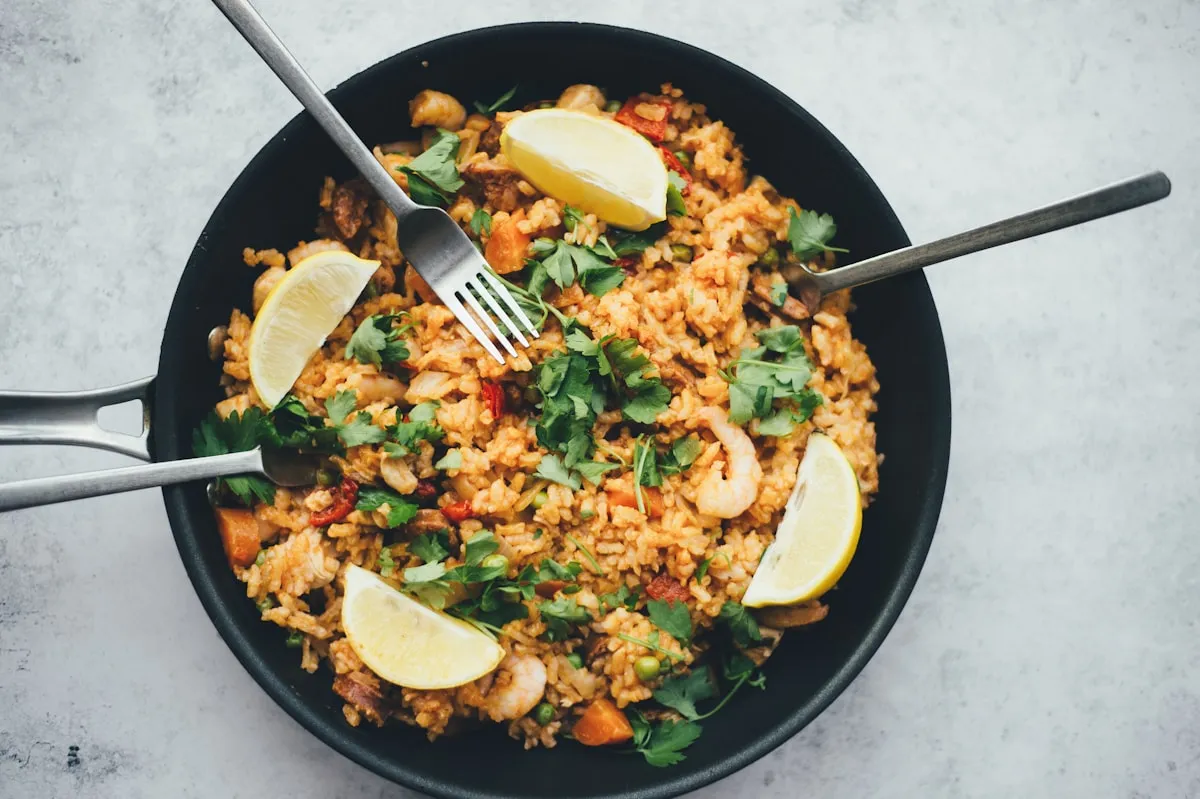
Think of each grain as a tiny dry sponge. If you give it exactly its own volume in liquid, it absorbs every drop, swells to its maximum potential, and then stops. This precision keeps the grains separate. Use a tight-fitting lid to create a pressurized steam chamber. This "passive cooking" allows the moisture to penetrate the core of the grain evenly without the physical agitation of a boiling pot, which would otherwise smear the surface starch and cause clumping.
Now, let’s talk flavor chemistry: blooming. Most of the spices used in Moroccan cooking, like cumin, coriander, and turmeric, contain volatile aromatic compounds that are fat-soluble. This means their flavor is locked away until it meets heat and oil. Always toast your spices in a bit of olive oil or butter before the water even hits the pan. This process, known as the Maillard reaction for spices, breaks down complex molecules into smaller, more fragrant ones that the oil then carries into every single grain of couscous.
Avoid using plain water if you can. Since the couscous absorbs 100% of the liquid you provide, this is your only chance to build a foundation of flavor. Use a high-quality vegetable or chicken broth. Check your salt levels here, too; once the grains have expanded and dried, adding salt is like trying to season a rock, it just sits on the surface. Incorporate your seasoning into the liquid so it becomes part of the grain's DNA.
Finally, the fluffing. Use a fork, not a spoon. A spoon smashes; a fork separates. Wait until the very end, once the steam has done its job, and gently rake the tines through the grains. This introduces air into the bowl, giving you that light, soulful mouthfeel that distinguishes a pro cook from a novice. If you've mastered the gloss in my one-pot linguine guide, you’ll appreciate how important texture is to the overall experience.
Variations for the Soulful Cook
The beauty of this base is that it’s a blank canvas for whatever is lingering in your pantry. If you’re looking for more quick healthy meals that satisfy a sweet-and-savory craving, lean into the traditional North African additions.
- The Fruit & Nut Balance: Toss in a handful of golden raisins or chopped dried apricots during the steaming phase. The residual heat will plump them up, providing little bursts of sweetness that cut through the earthy cumin. Finish with toasted pine nuts or slivered almonds for a crucial textural contrast.
- The Protein Boost: If you want a more substantial main, fold in a can of rinsed chickpeas or some leftover rotisserie chicken. Because the couscous is so light, it benefits from the "heavier" bite of a legume or lean meat.
- The Herbaceous Finish: Never underestimate the power of fresh aromatics. A massive handful of flat-leaf parsley and mint, chopped finely and folded in at the very last second, provides a cooling counterpoint to the warm spices.
Perfect Pairings and Balance
To turn this into a complete feast, you need to think about acidity and fat. The couscous is earthy and warm, so you want something bright to wake up your palate. A simple dollop of Greek yogurt mixed with a squeeze of lemon and a pinch of salt is non-negotiable. The acidity of the lemon cuts right through the richness of the bloomed spices, while the fat in the yogurt provides a cooling sensation.
If you have a few extra minutes, char some carrots or zucchini in a cast-iron skillet until they’re nearly black on the edges. The bitterness of the char balances the natural sweetness of the semolina. For those who love a bit of crunch, consider serving this alongside an air-fryer medley for a meal that hits every sensory note without keeping you in the kitchen all night.
Frequently Asked Questions
Why is my couscous always clumpy and sticky?
You’re likely using too much water or stirring it while it’s trying to hydrate. When you move the grains around before they’ve fully absorbed the liquid, you release surface starch into the remaining water, creating a "glue." Use the 1:1 ratio, cover it, and walk away. Don't even peek.
Can I use cold water to save time?
Absolutely not. You need the heat to gelatinize the starch in the durum wheat. Cold water will just result in a bowl of wet, crunchy sand. The liquid must be at a full boil when it hits the grains to ensure the thermal energy can penetrate the center of each granule quickly.
Is whole wheat couscous a good substitute?
It is, and it's a great way to add more quick healthy meals to your rotation. Just keep in mind that whole wheat grains are slightly more fibrous and may require an extra tablespoon or two of liquid and an additional three minutes of resting time to reach the same level of tenderness.
How do I fix couscous that is too dry?
If you fluff it and find it still has a "crunch," don't panic. Sprinkle a tablespoon of boiling water over the top, quickly replace the lid, and let it sit for another five minutes. The steam will finish the job.
Can I reheat Moroccan couscous the next day?
Yes, but you have to treat it gently. Starch undergoes "retrogradation" when it cools, meaning it gets hard and crystalline. To fix this, add a tiny splash of water or a knob of butter before microwaving it, and cover the bowl with a damp paper towel. This recreates the steam chamber and restores that original fluffiness.
Can I cook the veggies in the same pot?
Technically yes, but I wouldn't. Most vegetables release water as they cook, which will throw off your 1:1 ratio and likely lead to the mushiness we’re trying to avoid. Roast or sauté your additions separately, then fold them in at the end.
{“@type”:”BlogPosting”,”image”:”https://cdn.marblism.com/IFgWrMj0p9V.webp”,”author”:{“name”:”Penny”,”@type”:”Person”},”@context”:”https://schema.org”,”headline”:”Simple & Spiced: 15-Minute Moroccan Couscous”,”publisher”:{“logo”:{“url”:”https://cookpedia.com/logo.png”,”@type”:”ImageObject”},”name”:”Cookpedia”,”@type”:”Organization”},”description”:”Learn the science behind perfectly fluffy 15-minute Moroccan couscous. Master the 1:1 hydration ratio and spice blooming for quick healthy meals.”,”datePublished”:”2026-06-06″,”mainEntityOfPage”:{“@id”:”https://cookpedia.com/simple-spiced-15-minute-moroccan-couscous”,”@type”:”WebPage”}}