Recipe
Servings
Servings 1×
Ingredients
- Chickpeas
- Black beans
- Beans
- Pasta
- Bread
- Potatoes
- Sweet potatoes
- Kale
- Greens
- Corn
- Onion
- Lime
- Tahini
- Cooking oil
- Black pepper
Method
- Use a heavy skillet, preferably cast iron, because it holds heat better than thin aluminum.
- Use your microwave to par-cook the potatoes for three to four minutes first.
- Spread them out in a single layer.
- Use enough oil to coat the bottom of the pan entirely; fat is a superior heat conductor compared to air.
- Use a heavy hand with smoked paprika and ground cumin.
- Toss in some black beans and charred corn toward the end of the cooking process.
You know those evenings when you want a meal that feels like a warm hug but you only have about fifteen minutes before your brain officially checks out for the day? I’ve been there more times than I care to admit. Usually, that leads to a bowl of cereal or a sad piece of toast. But lately, I’ve been leaning into the magic of the sweet potato hash. It’s vibrant, it’s grounding, and it’s one of those plant-based dinner ideas that actually leaves you feeling satisfied rather than just "full."
The Science of the Perfect Crunch
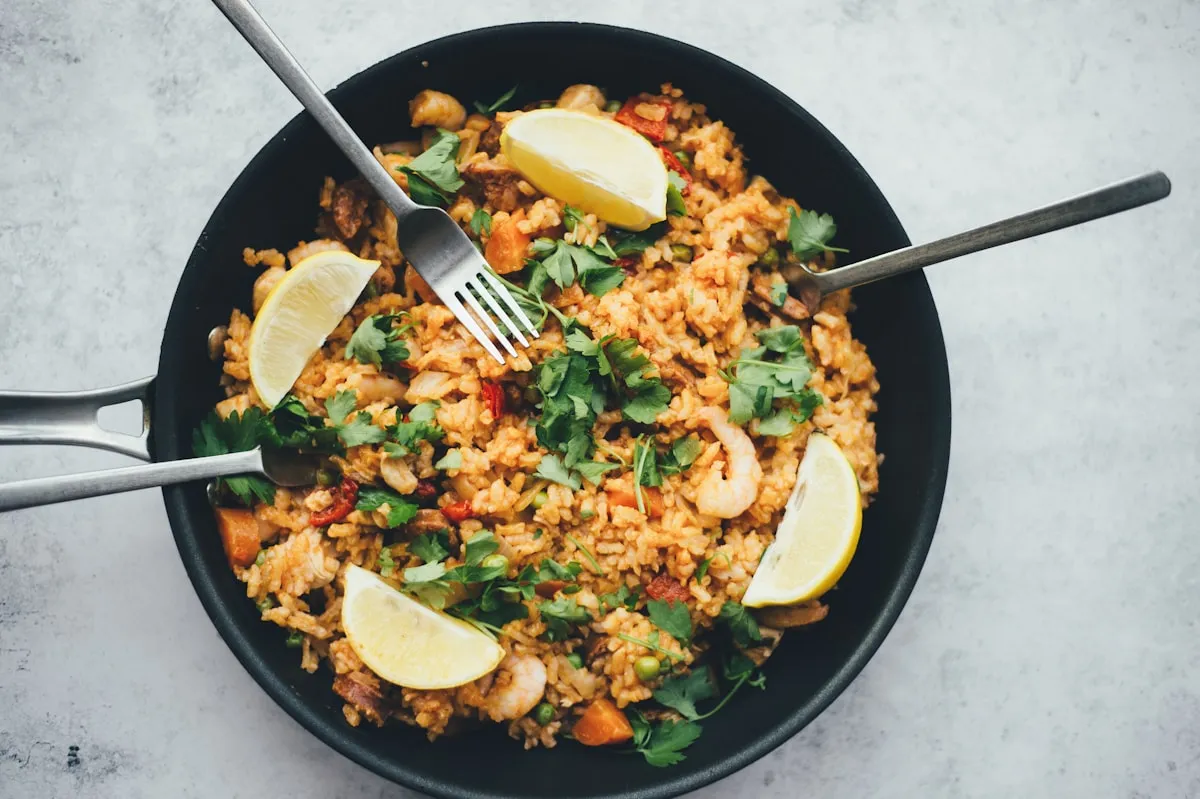
If you’ve ever ended up with a pile of mushy, orange semi-solid blocks instead of a crispy hash, you’ve fallen victim to the "steam trap." To get that soulful, golden exterior, you need to understand the Maillard reaction. This is the chemical dance between amino acids and reducing sugars that happens when food hits high heat. Because sweet potatoes have a high water content, they often want to steam themselves in the pan. To prevent this, you must drive off surface moisture before the heat can climb high enough to create that crust.
Master the Moisture Control
Use a heavy skillet, preferably cast iron, because it holds heat better than thin aluminum. When you add your diced potatoes to the pan, avoid the temptation to stir them immediately. Let them sit. That direct contact with the hot, oiled surface is where the magic happens. If you move them too soon, you break the heat cycle and release steam, which leads to sogginess.
Pre-Tenderize for Speed
Since we are aiming for a 15-minute turnaround, don’t try to cook raw cubes from scratch in the pan; they’ll burn on the outside before the inside softens. Use your microwave to par-cook the potatoes for three to four minutes first. This gelatinizes the starches inside, so when they hit the skillet, you’re only focused on the exterior crunch. Once they are out of the microwave, pat them dry with a clean kitchen towel. Even a little bit of surface water will act as a heat shield, preventing the Maillard reaction from taking hold.
Don’t Crowd the Pan
Check your ego and your pan size. If you pile the potatoes three layers deep, you’re making a stew, not a hash. Spread them out in a single layer. Use enough oil to coat the bottom of the pan entirely; fat is a superior heat conductor compared to air. If you see the potatoes looking dry, add another splash of oil. This isn't just about fat; it's about physics.
Soulful Variations for Every Mood
The beauty of this dish lies in its versatility. While the base is humble, you can pivot the flavor profile to suit whatever is lingering in your pantry. If you’re looking for more plant-based dinner ideas that use a similar "one-pan" philosophy, you might also enjoy our Spicy Tomato Basil One-Pot Linguine for those nights when only pasta will do.
The Southwest Soul
Lean into the smokiness. Use a heavy hand with smoked paprika and ground cumin. Toss in some black beans and charred corn toward the end of the cooking process. The earthiness of the beans provides a structural contrast to the sweetness of the potatoes. Finish it with a massive squeeze of lime juice to provide the acidity needed to cut through the richness of the starch.
Mediterranean Minimalist
Switch the vibe by using dried oregano and a pinch of cinnamon. Instead of black beans, use crispy chickpeas. This version thrives on texture. The goal here is a "crunch-on-crunch" experience. Top the finished hash with a dollop of creamy hummus or a drizzle of tahini. It’s a sophisticated take on a rustic classic that feels far more expensive than it actually is.
Perfect Side Dish Pairings
While this hash is a powerhouse on its own, the right pairing can turn it into a multi-dimensional feast. You want sides that offer a counterpoint to the soft-yet-crispy texture of the sweet potatoes.
A bright, acidic slaw is my go-to. Think shredded cabbage with a vinegar-based dressing. The sharp "zing" of the vinegar wakes up your palate between bites of the savory hash. If you want something warmer, sautéed bitter greens like kale or Swiss chard work wonders. The slight bitterness of the greens balances the natural sugars in the sweet potatoes, creating a perfectly rounded flavor profile.
If you happen to have an air fryer handy, you can even toss in some peppers and onions on the side. We have a great guide on Air Fryer Sausage and Pepper Medleys that uses similar high-heat principles to get that perfect char without the mess.
Frequently Asked Questions
What if my sweet potatoes are sticking to the pan?
Sticking usually happens for two reasons: the pan wasn't hot enough when you added the food, or you tried to flip them too early. When the Maillard reaction is complete, the food will naturally "release" from the surface of the pan. If you feel resistance, wait another minute. Also, ensure you are using a well-seasoned cast iron or a high-quality non-stick surface.
Can I use frozen sweet potato chunks?
Yes, but you must be careful with the extra moisture. Frozen vegetables often have ice crystals that will immediately turn to steam. Thaw them completely and squeeze them in a towel before they hit the oil. You might need to increase your heat slightly to compensate for the drop in temperature that frozen food brings to the skillet.
Why does my hash taste bland even though I salted it?
You likely missed the "acid" component. Sweet potatoes are naturally very sweet and starchy, which can mute other flavors. Add a splash of apple cider vinegar, a squeeze of lemon, or even a dash of hot sauce at the very end. That hit of acidity acts like a spotlight for the other spices.
Is it possible to make this for a crowd?
If you’re cooking for more than two people, move the operation to a large sheet pan in the oven. Trying to do a 4-person hash in a standard skillet will lead to crowding and steaming. Roast at a high temperature (425°F/220°C) and use the same "single layer" rule. It might take longer than 15 minutes, but the quality will remain soulful and crisp. It's one of the best plant-based dinner ideas for a busy family Sunday.
Can I skip the oil?
Technically, yes, but I wouldn't recommend it if you want that "soulful" crunch. Oil is the medium that transfers heat from the pan into the nooks and crannies of the diced potato. Without it, you are essentially just baking the surface, which takes much longer and often results in a tougher, leathery skin rather than a delicate, crispy crust.
{“@type”:”BlogPosting”,”image”:”https://cdn.marblism.com/Jhjg-FNlWay.webp”,”author”:{“name”:”Penny”,”@type”:”Person”},”@context”:”https://schema.org”,”headline”:”Plant-Powered: Soulful 15-Minute Sweet Potato Hash”,”publisher”:{“logo”:{“url”:”https://cookpedia.com/logo.png”,”@type”:”ImageObject”},”name”:”Cookpedia”,”@type”:”Organization”},”description”:”Learn the science behind the perfect 15-minute sweet potato hash. Focus on moisture control and the Maillard reaction for a soulful, plant-based dinner.”,”datePublished”:”2026-06-06″,”mainEntityOfPage”:{“@id”:”https://cookpedia.com/plant-powered-sweet-potato-hash”,”@type”:”WebPage”}}