Recipe
Servings
Servings 1×
Ingredients
- Pasta
- Noodles
- Broccoli
- Asparagus
- Spinach
- Kale
- Garlic
- Lemon
- Hard cheese
- Cooking oil
Method
- Start by understanding your garlic.
- Keep the heat low and watch for that pale golden hue.
- Use a ladle to transfer the water directly into the pan while the pasta is still slightly undercooked.
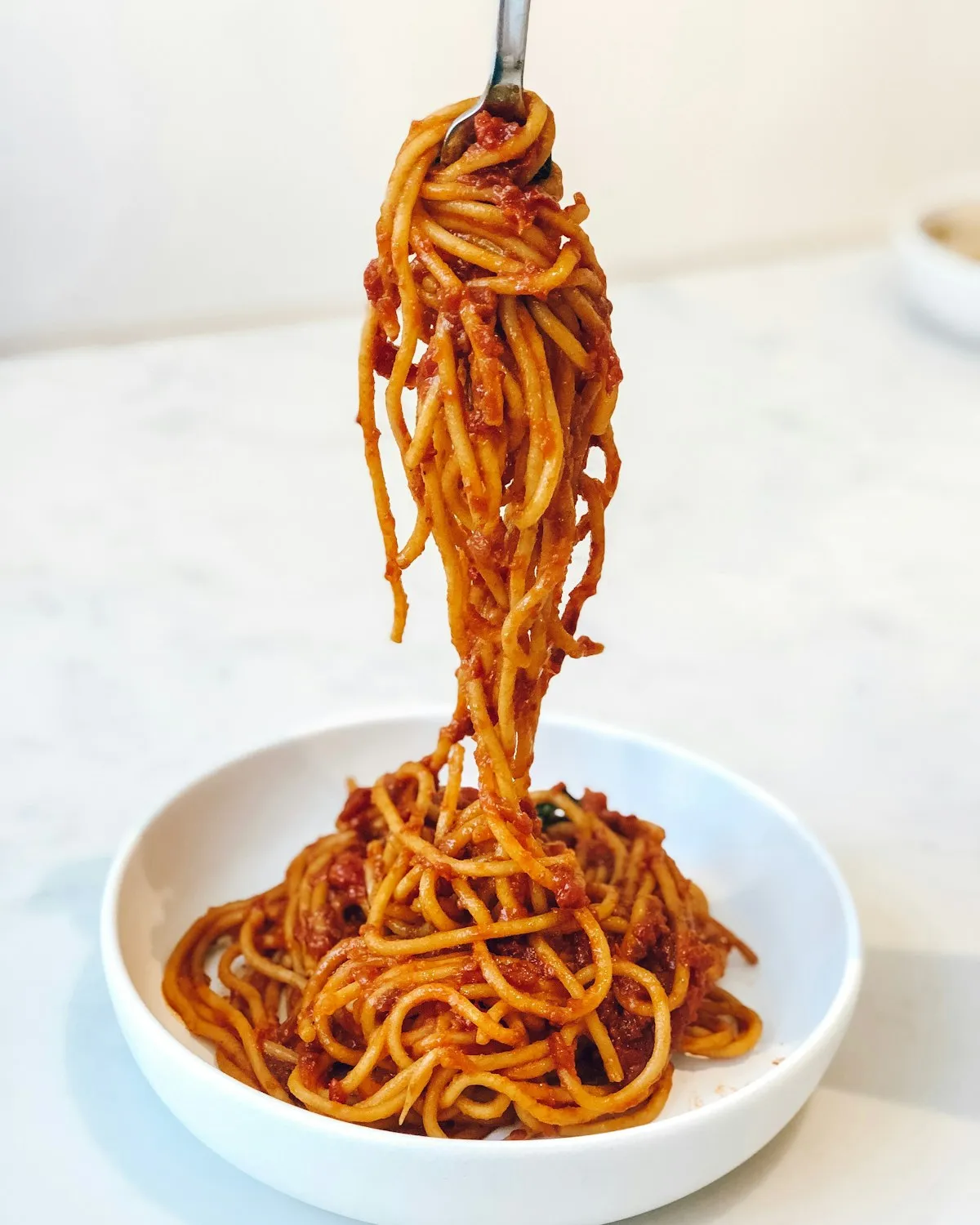
If you’ve ever stared at a half-empty pantry and wondered how you’re going to feed yourself without resorting to cereal, let me introduce you to the ultimate kitchen magic trick. Spaghetti Aglio e Olio is the minimalist’s dream. It’s arguably the most famous of all simple pasta recipes, relying on just a handful of ingredients to create a dish that tastes like a five-star Italian vacation. It’s fast, it’s soulful, and honestly, it’s the kind of meal that makes you feel like a culinary genius with zero effort.
The Science of the Sizzle and the Shimmer
At its heart, this dish is a lesson in chemistry, specifically the delicate dance between fats and water. Most people think Aglio e Olio is just "pasta with oil," but if you end up with a puddle of grease at the bottom of your bowl, you’ve missed the point entirely. The goal is a silky, cohesive sauce that clings to every strand of spaghetti. This requires a process called emulsification.
Start by understanding your garlic. Garlic contains volatile sulfur compounds that change flavor based on how they are handled. For this dish, slice your garlic paper-thin. When you introduce these slices to cool olive oil and slowly raise the temperature, you are performing a cold-start infusion. This allows the oil to pull the aromatics out of the garlic without burning them. If you drop garlic into screaming hot oil, it turns bitter and acrid within seconds. Slow and steady wins the flavor race here. Keep the heat low and watch for that pale golden hue.
Now, let's talk about the "liquid gold", pasta water. Never, ever dump your pasta water down the drain. As the spaghetti boils, it releases starches into the water. When you combine this starchy water with the garlic-infused oil and toss it vigorously, the starch acts as a bridge. It allows the oil and water to bind together into a creamy, translucent emulsion. Use a ladle to transfer the water directly into the pan while the pasta is still slightly undercooked. The mechanical action of tossing the pasta, the "mantecatura", is what creates that restaurant-quality finish.
Check your heat constantly. If the pan is too dry, the oil will just sit on the pasta; if it’s too wet, it becomes soup. You are looking for that perfect moment where the sauce coats the noodles like a glossy varnish. This technique is the cornerstone of many quick family meals because it transforms basic pantry staples into something luxurious without needing a grocery run.
Flipping the Script: Flavor Variations
While the traditional version is a masterpiece of restraint, sometimes your palate wants a bit more noise. Think of the base recipe as a canvas. To add a hit of brightness, zest a fresh lemon over the top just before serving. The acidity cuts through the richness of the olive oil and makes the garlic pop. If you're looking for more healthy dinner ideas, try tossing in a handful of baby spinach or kale during the final tossing phase. The residual heat will wilt the greens perfectly without turning them into mush.
For those who need a bit of crunch, toasted breadcrumbs (mollica) are a game-changer. Sauté some panko or sourdough crumbs in a separate pan with a tiny bit of oil until they are deep brown and crispy. Sprinkle them over the finished pasta for a texture contrast that is addictive. You can also add protein by folding in some tinned sardines or high-quality tuna at the very end. The saltiness of the fish melts into the garlic sauce, creating a deeper, umami-rich profile that feels incredibly sophisticated for a ten-minute meal.
Perfect Pairings for a Balanced Plate
Since Aglio e Olio is quite rich and carb-heavy, you want a side dish that provides a sharp contrast. A simple arugula salad with a heavy squeeze of lemon and some shaved parmesan is the classic choice. The peppery bite of the greens balances the mellow, buttery garlic beautifully.
If you want to keep things efficient, consider using your countertop appliances for a side dish. Many of our favorite air fryer recipes dinner options, like crispy broccoli or charred asparagus, pair perfectly with this pasta. The dry, high heat of the air fryer gives vegetables a roasted texture that complements the silkiness of the spaghetti. Avoid anything too creamy or heavy as a side; you want freshness and acidity to keep the meal feeling light and vibrant.
FAQ: Troubleshooting Your Pasta
Why is my sauce so oily and not creamy?
This usually happens because you didn't use enough pasta water or didn't toss it vigorously enough. The emulsion requires agitation. Use a pair of tongs or a pasta fork to swirl the noodles rapidly in the pan after adding the starchy water. If it still looks oily, add another splash of water and keep tossing over medium heat until it thickens.
Can I use jarred minced garlic?
Avoid it at all costs. Jarred garlic is often preserved in citric acid, which changes the flavor profile completely and prevents it from mellowing out in the oil. It will taste metallic and harsh. Take the extra two minutes to slice fresh cloves; the difference is night and day.
What if I overcook the pasta in the pot?
If your pasta is already mushy, it won't be able to stand up to the tossing process in the pan. To prevent this, always pull your pasta out about two to three minutes before the "al dente" time listed on the box. It will finish cooking in the sauce, soaking up all that garlic flavor.
Is this dish actually healthy?
In moderation, yes! It’s one of those healthy dinner ideas that focuses on "real food" and healthy fats from extra virgin olive oil. To make it even more nutritious, use a high-quality whole wheat spaghetti or a chickpea-based pasta for added fiber and protein.
My garlic turned brown/black. Is it still okay?
If it’s dark brown or black, discard it and start over. Burnt garlic is incredibly bitter and will ruin the entire batch. Aim for a "straw" or light golden color. If you’re worried about burning it, remove the pan from the heat the moment the garlic starts to smell fragrant.
Can I make this ahead of time?
Simple pasta recipes like this are best eaten immediately. As the pasta sits, it continues to absorb the sauce, and the emulsion will eventually break, leaving you with dry noodles and a pool of oil. If you have leftovers, reheat them in a pan with a fresh splash of water to bring the sauce back to life.
Making a great Aglio e Olio is a rite of passage for any home cook. It teaches you to trust your senses: to listen for the sizzle, watch the color of the garlic, and feel the weight of the sauce as it emulsifies. Once you master this, you’ll realize that some of the best quick family meals don't come from a box, but from five minutes of focused technique and a few humble ingredients from the back of your cupboard.
For more inspiration on mastering the basics, check out our full library of simple pasta recipes and start turning your weeknight dinners into something truly soulful.