Recipe
Servings
Servings 1×
Ingredients
- Chicken
- Salmon
- Chickpeas
- White beans
- Beans
- Pasta
- Noodles
- Bread
- Broccoli
- Asparagus
- Green beans
- Zucchini
- Spinach
- Peas
- Tomatoes
- Garlic
- Lemon
- Cream
Method
- Use the recipe when you want a fast vegetarian dinner that tastes thoughtful without making your kitchen look like a pasta laboratory.
- Roast them until their skins blister and a few tomatoes split open.
- Give the tomatoes room on the pan.
- Use enough salt to make the water taste pleasantly seasoned, but do not turn it into the Dead Sea.
- Finish the spaghetti in the pan rather than treating the sauce as a separate topping.
- Add the cooked pasta while it is still slightly firm, then toss it with the roasted tomatoes and a little pasta water.
Some dinners need a grand plan. This one needs a pot, a pan, and a lemon that has not been forgotten at the back of the fridge. This garlic and herb lemon spaghetti is bright, savory, and properly comforting, while roasted cherry tomatoes bring sweetness and a little smoky depth. Use the recipe when you want a fast vegetarian dinner that tastes thoughtful without making your kitchen look like a pasta laboratory.
Why This Pasta Tastes Better Than It Looks Easy
The ingredient list is short, so technique matters. There is nowhere for a burnt garlic clove or watery sauce to hide. Treat each part with a little care, and this becomes one of my favorite simple pasta recipes for a busy evening.
Roast the Tomatoes Until They Collapse
Do not merely warm the cherry tomatoes. Roast them until their skins blister and a few tomatoes split open. High heat drives off excess water, concentrates their natural sugars, and softens their sharp acidity. The result is a deeper, sweeter tomato flavor that can stand up to lemon and garlic.
Give the tomatoes room on the pan. Crowding traps steam, and steam makes tomatoes soft without making them richly roasted. You want some browned edges and a little juice on the pan, not a puddle of tomato soup.
Salt the Pasta Water Properly
Salt the cooking water before the spaghetti goes in. Pasta absorbs some of that seasoned water as it cooks, so the seasoning becomes part of the noodle instead of sitting on the surface like an afterthought.
Use enough salt to make the water taste pleasantly seasoned, but do not turn it into the Dead Sea. The exact amount depends on the volume of water and your salt, so taste it before adding the pasta. Save some of the cooking water before draining. This salty, starchy liquid is one of the most useful tools in the whole recipe.
Let Starch Build the Sauce
Oil and water naturally separate. Pasta water helps them cooperate.
As spaghetti cooks, it releases starch into the water. When you toss that starchy water with olive oil, tomato juices, lemon, and heat, the starch helps suspend tiny droplets of fat throughout the liquid. That creates a loose emulsion: a silky sauce that clings to the noodles instead of sliding to the bottom of the bowl.
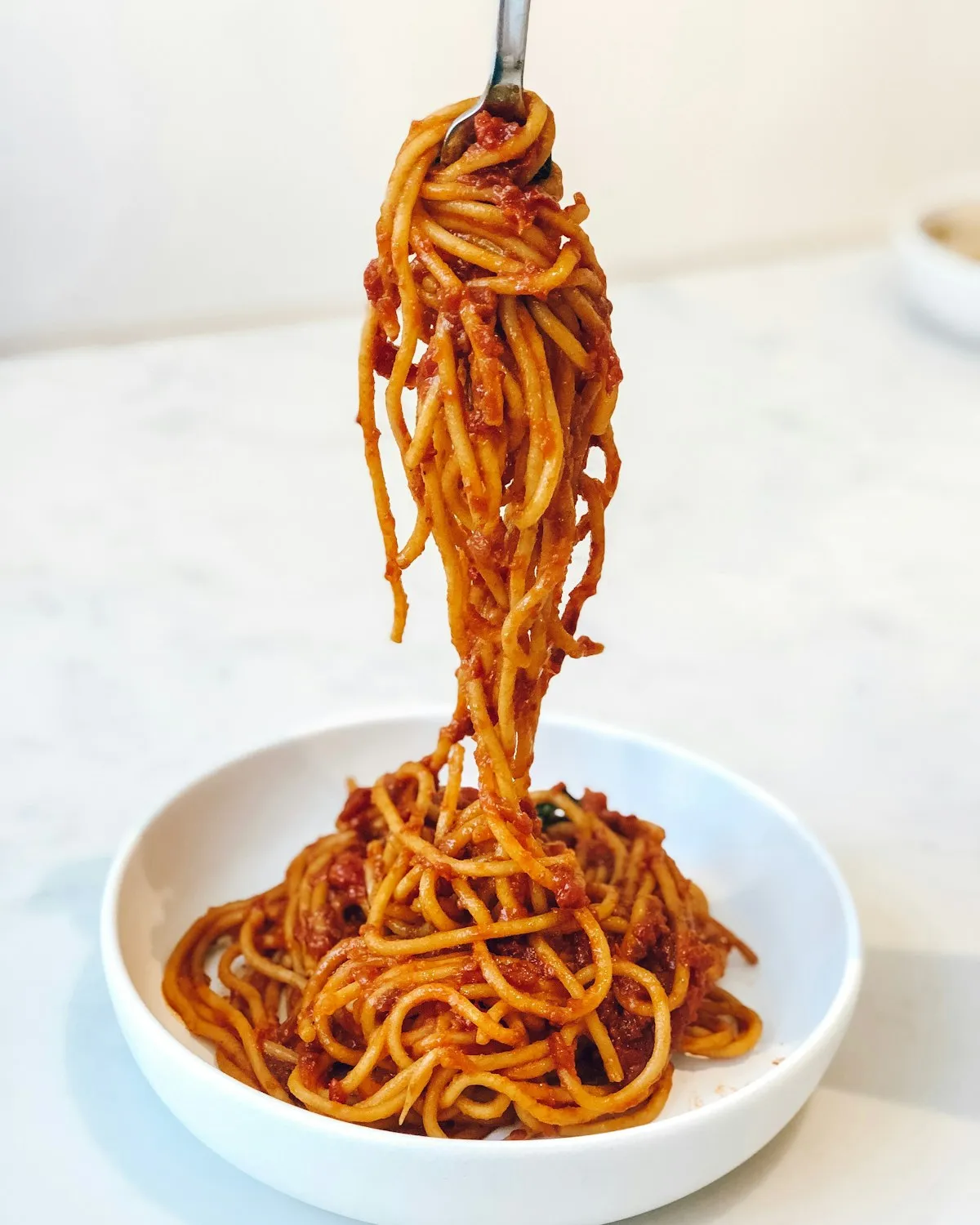
Finish the spaghetti in the pan rather than treating the sauce as a separate topping. Add the cooked pasta while it is still slightly firm, then toss it with the roasted tomatoes and a little pasta water. Keep the pan moving. The tossing is not decorative; it physically encourages the sauce to come together.
For another useful explanation of this technique, read Cookpedia’s One-Pot Lemon Asparagus Spaghetti: The Science of Pasta Water.
Cook Garlic Gently
Garlic should become fragrant and pale golden, not dark brown. Garlic contains natural sugars and sulfur compounds. Gentle heat develops its sweeter, rounder flavors, while excessive heat pushes it toward bitterness and acrid sharpness.
Start with moderate heat and pay attention. Thinly sliced garlic colors quickly, while minced garlic can burn even faster because more surface area touches the oil. Once the garlic smells nutty and inviting, move on. Do not wait for it to become dramatically brown. Dramatic garlic is usually dinner’s villain.
Use Lemon Zest for Aroma and Juice for Balance
Add lemon zest earlier than lemon juice. The fragrant oils in the zest dissolve beautifully into warm olive oil, spreading lemon aroma throughout the sauce. Lemon juice is mostly water and citric acid, so it works best near the end, when it can brighten the dish without losing its fresh character.
Think of zest as perfume and juice as a squeeze of brightness. Use both, but do not confuse their jobs. Too much juice can make the sauce thin and sharply sour. Too little leaves the pasta tasting heavy.
Add Fresh Herbs at the End
Tender herbs such as parsley, basil, chives, and dill contain delicate volatile flavor compounds. Long cooking dulls those fresh notes and can turn green herbs dark. Add them after the heat is reduced or switched off.
Use dried oregano or thyme earlier if you like a deeper, woodier flavor. Save soft herbs for the finish. That contrast gives the spaghetti a more layered taste without adding complicated ingredients.
Easy Variations for Different Dinner Moods
Keep the basic balance, fat, acidity, sweetness, salt, and freshness, then change the personality of the dish.
For extra protein, add white beans, chickpeas, flaked salmon, or shredded roast chicken. Beans make the meal more filling while keeping it vegetarian, and salmon pairs naturally with lemon and herbs. If you add a protein, season it separately so the pasta sauce does not have to do all the work.
For a green version, fold in baby spinach, arugula, peas, or roasted asparagus at the end. Peppery greens are especially helpful because they offset the sweetness of the tomatoes. Choose vegetables with different textures; soft pasta and soft tomatoes appreciate a little crunch.
For a richer finish, add grated Parmesan or a small spoonful of ricotta. Keep the lemon present to cut through that richness. A generous splash of pasta water will help cheese blend into the sauce rather than forming a stubborn, chewy clump.
For a spicy version, add red pepper flakes to the warm garlic oil. Start modestly and increase later. Chili heat can easily overpower the lemon, herbs, and tomatoes if you treat it like a personality contest.
You can also swap spaghetti for linguine, bucatini, or whole-wheat noodles. Thicker shapes hold more sauce, while whole-wheat pasta adds a nutty flavor and extra chew. Browse Cookpedia’s pasta collection when you want more ideas built around the same weeknight-friendly approach.
What to Serve With Lemon Spaghetti
Pair this pasta with something crisp, bitter, or lightly acidic. A simple arugula salad with lemon dressing is an excellent match because its peppery bite balances the sweet roasted tomatoes and soft noodles. Keep the dressing restrained; the pasta already brings plenty of acidity.
Serve steamed green beans, sautéed zucchini, or a small dish of roasted broccoli for a vegetable-forward plate. Choose one vegetable rather than assembling an entire farmers’ market beside the spaghetti. Simple works here.
Add toasted bread if you want a heartier meal, especially for catching the garlicky tomato juices left in the bowl. Skip heavy cream-based sides, rich casseroles, or overly sweet drinks. They will compete with the clean lemon flavor instead of supporting it.
For more plant-focused pairings, explore Cookpedia’s vegetarian dinner recipes and healthy recipe ideas.
Frequently Asked Questions
Can I use bottled lemon juice?
Yes, but use fresh zest if possible. Bottled juice can provide the necessary acidity, though it often tastes flatter and less aromatic than freshly squeezed lemon. Add it gradually and taste as you go. The goal is brightness, not sourness.
Why does my sauce look oily?
The emulsion probably needs more starch, movement, or both. Add a small splash of reserved pasta water and toss vigorously over moderate heat. If the sauce is very loose, allow it to bubble briefly while you keep tossing. Avoid adding a large amount of water at once, or you may turn a silky sauce into broth.
Why did my roasted tomatoes turn watery?
They likely needed more heat, more space, or more time. A crowded pan traps moisture, while a low oven steams the tomatoes instead of concentrating them. Spread them out and continue roasting until some skins blister and the tomatoes release concentrated juices. Let the pan do the work; do not drain away the flavorful liquid.
Can I make this pasta ahead?
It is best served immediately because spaghetti continues absorbing sauce as it sits. If you need to prepare it early, roast the tomatoes and make the garlic-lemon base ahead, then cook and finish the pasta just before serving. Reheat leftovers gently with a splash of water or broth. Avoid blasting them in a hot, dry pan, which turns tender noodles into edible shoelaces.
What if I do not have fresh herbs?
Use dried oregano, thyme, or Italian seasoning in a smaller amount, and add it while the garlic oil warms so the flavors can bloom. Finish with a little lemon zest for freshness. If you have one fresh green herb available, use it at the end rather than mixing every dried herb in the cupboard.
Can I use gluten-free or whole-wheat pasta?
Absolutely, but watch the texture and the cooking water. Some gluten-free pastas release less starch, so the sauce may need extra tossing or a little grated cheese to help it cling. Whole-wheat pasta can release plenty of starch but cooks differently from regular spaghetti. Check it early and finish it in the sauce before it becomes fully soft.
Is this a healthy dinner?
It can be part of a balanced meal, especially when you pair it with vegetables or beans. The tomatoes contribute sweetness and flavor without requiring a heavy sauce, while olive oil provides richness. Keep portions comfortable, add a generous vegetable side, and avoid treating “healthy dinner ideas” as a punishment category. Food should still taste like dinner.
Can I serve this to children?
Yes. Reduce or omit chili flakes, chop the herbs finely, and keep the lemon moderate at first. Many children prefer the roasted tomatoes stirred through rather than left whole. Serve Parmesan at the table if your family enjoys it. This is exactly the kind of flexible dish that earns a place among reliable quick family meals: and it is much less fussy than most weeknight negotiations.
When you want even more hands-off options, pair this idea with Cookpedia’s 30-minute meals or browse for air fryer recipes dinner options to round out your weekly plan.