Recipe
Servings
Servings 1×
Ingredients
- Pasta
- Noodles
- Spinach
- Tomatoes
- Cream
- Hard cheese
- Salt
Method
- Use rigatoni when you want a sauce that does more than sit politely on the outside of the pasta.
- Cook the pasta until it is al dente, meaning tender but still pleasantly firm in the center.
- Use enough water for the rigatoni to move freely, and salt it before the pasta goes in.
- Give tomato paste time to cook in the pan.
- Keep all four elements in proportion.
- Add the water gradually and toss well.
Some pasta dishes ask for a long ingredient list, three pans, and the emotional patience of a saint. This one does not. Creamy tomato and basil rigatoni with spinach brings together a bright tomato sauce, silky creaminess, chewy pasta, and tender greens in one comforting bowl. I love it for busy evenings because it feels special without creating a mountain of washing-up. Follow a few non-negotiable techniques, and you’ll have one of the most reliable simple pasta recipes in your weeknight rotation.
Tips & Technique: Make the Sauce Cling, Not Slide
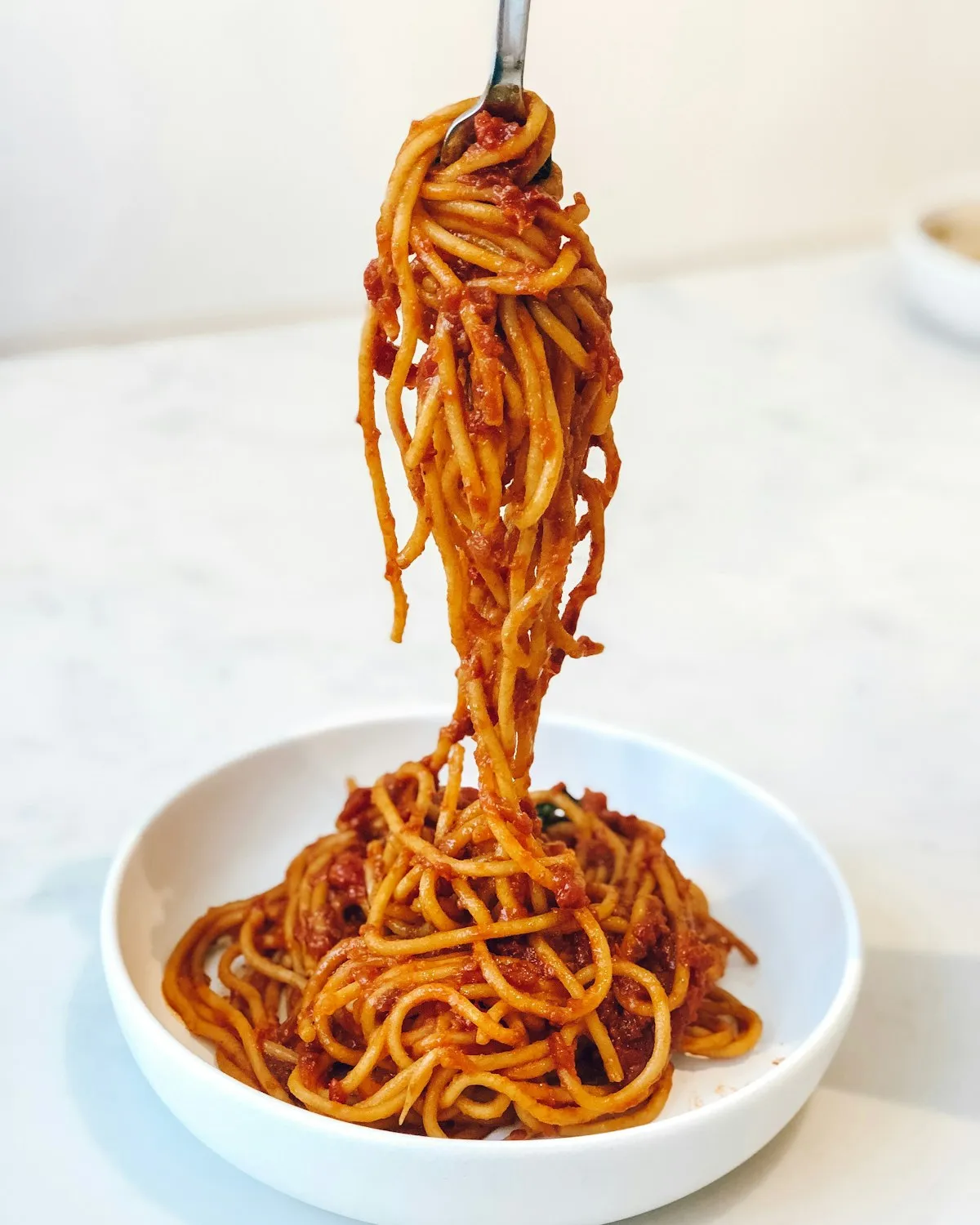
Choose rigatoni for texture and structure
Use rigatoni when you want a sauce that does more than sit politely on the outside of the pasta. Its ridges grip creamy tomato sauce, while the wide tubes catch little pockets of spinach, basil, and Parmesan.
Cook the pasta until it is al dente, meaning tender but still pleasantly firm in the center. Do not cook it until soft. Pasta continues to cook when it meets the hot sauce, and overcooked rigatoni can lose the sturdy texture that makes this dish satisfying.
Salt the pasta water properly
Treat the pasta water as part of the recipe, not as a forgotten boiling bath. Salt seasons the pasta from within, which is much more effective than trying to correct bland noodles at the end.
Use enough water for the rigatoni to move freely, and salt it before the pasta goes in. The exact amount depends on your pan and taste, but the water should taste noticeably seasoned. This is one of those small details that separates deeply flavored pasta from pasta wearing a sauce costume.
Cook tomato paste before adding liquid
Give tomato paste time to cook in the pan. This allows its concentrated tomato flavor to deepen and lose some of its raw, metallic edge. You are encouraging browning and concentration, not burning, so keep the heat moderate and stir often.
This step also creates a stronger foundation for the cream. A sauce made with undercooked tomato paste can taste sharp and flat, while a briefly cooked paste brings a rounder, more savory tomato flavor.
Balance acidity before chasing richness
Tomatoes naturally contain acid. Cream softens that acidity, but it does not erase it. Taste the sauce before adding more dairy or cheese. If it tastes overly sharp, correct it with a very small amount of sweetness or extra richness rather than piling in salt.
Think of the sauce as a seesaw. Tomato provides brightness, cream provides softness, Parmesan adds salt and umami, and basil brings a fresh herbal lift. Keep all four elements in proportion. More cream is not always the answer; sometimes the sauce simply needs seasoning or a little extra cooking time.
Save pasta water, the cloudy stuff is useful
Reserve some of the cooking water before draining the rigatoni. It contains dissolved starch released from the pasta, and that starch helps the sauce become smoother and more cohesive.
A creamy tomato sauce contains both water and fat. Those two like to separate when left to their own devices. Starchy pasta water helps them bind into a temporary emulsion, giving you a glossy sauce that coats the pasta instead of pooling at the bottom of the bowl.
Add the water gradually and toss well. Do not pour in a large amount all at once. You want to loosen the sauce while keeping its flavor concentrated. Stop when the sauce looks silky and clings to the ridges of the rigatoni.
Finish the pasta in the sauce
Do not simply spoon sauce over drained pasta and call it dinner. Finish the rigatoni in the pan so the pasta and sauce have time to become acquainted.
As the pasta moves through the sauce, its surface starch helps thicken the mixture, while the sauce settles into the ridges and tubes. This is also your best chance to adjust the consistency. If the sauce looks tight, add a small splash of pasta water. If it looks thin, give it another minute over gentle heat while tossing.
Keep the heat controlled once cream and cheese enter the pan. A furious boil can make dairy-based sauces split or turn grainy. Gentle heat gives the ingredients time to combine without punishment.
Wilt spinach quickly and protect the basil
Add spinach near the end, when the pasta and sauce are already together. Spinach contains a great deal of water and collapses quickly as its cell structure softens. A large handful may look excessive at first, but it shrinks dramatically in the heat.
Toss only until the leaves wilt. Long cooking makes spinach dull and limp, while a short finish keeps its color and mild freshness. Add basil at the very end, preferably after switching off the heat. Basil’s most delicate aromatic compounds are easily lost with prolonged cooking, so let residual heat do the work.
Serve the rigatoni promptly. Creamy sauces thicken as they cool, and waiting too long can turn a silky dinner into a sticky one. Keep a little pasta water nearby for last-minute loosening.
For more ideas built around this same efficient approach, browse Cookpedia’s pasta recipes and 15-minute meals.
Variations: Keep the Balance Intact
Make the dish vegetarian as written, or adapt it according to what is already in your kitchen. Add sliced mushrooms for a savory, earthy note, but cook them until their moisture evaporates so they do not water down the sauce. Roasted red peppers bring sweetness and a gentle smokiness. Stir them through near the end for a quick upgrade.
Replace spinach with baby kale, arugula, or chopped Swiss chard. Use arugula for peppery freshness and kale for a more substantial bite. Add greens gradually, because their volume and cooking time vary.
For extra protein, fold in white beans, chickpeas, shredded chicken, or cooked Italian-style sausage. Keep the additions modest. The pasta should remain the center of the dish, not become a crowded storage cupboard.
Make it lighter by using half-and-half or a smaller amount of cream, then rely on pasta water and Parmesan for body. Do not remove every source of richness, or the sauce may taste thin and acidic. A little fat carries tomato flavor and helps the sauce feel smooth.
Add red pepper flakes for heat, lemon zest for brightness, or a splash of balsamic vinegar for extra depth. Introduce acidic ingredients carefully and taste as you go. The goal is contrast, not a sauce that makes your mouth file a complaint.
Side Dish Pairings: Add Freshness and Crunch
Pair this pasta with something crisp and lightly dressed. A simple green salad with lemon vinaigrette cuts through the cream and refreshes your palate between bites. Keep the dressing bright rather than sweet; acidity is the useful counterweight here.
Roasted broccoli, asparagus, or zucchini adds a little char and gives the meal more vegetable variety. Season the vegetables simply so they support the tomato and basil instead of competing with them.
Serve crusty bread if you have extra sauce to mop up, but skip an overly rich garlic bread when the pasta is already creamy and cheesy. For a lighter table, choose steamed green beans with lemon or a tomato-cucumber salad.
These combinations work especially well for quick family meals because they require little attention while the pasta comes together. They also turn a bowl of pasta into one of those dependable healthy dinner ideas that still feels comforting.
FAQ: Troubleshooting Creamy Tomato Rigatoni
Why did my creamy tomato sauce split?
The sauce probably became too hot or changed temperature too quickly. Dairy sauces can separate when they boil aggressively, especially when combined with acidic tomatoes. Keep the heat gentle after adding cream and cheese. If the sauce has already split, remove it from the heat and whisk in a small splash of warm pasta water. Tossing in the cooked pasta can also help bring the mixture back together.
What if my sauce tastes too acidic?
Do not immediately add lots of cream. First, check the seasoning. Salt can make tomato flavor taste rounder, while a tiny amount of sugar can soften excessive sharpness. You can also cook the sauce a little longer to concentrate its savory notes. Add changes gradually and taste after each adjustment. Tomatoes vary, so the correction that works one evening may be unnecessary the next.
What if the sauce is too thin?
Let it simmer gently for a short time so excess water can evaporate. Then add the pasta and toss it in the pan. The pasta’s surface starch will help thicken the sauce. A little Parmesan can add body too, but avoid dumping in a large amount, which may make the sauce salty or grainy.
What if the sauce is too thick?
Use reserved pasta water, not plain cold water. Add a small splash and toss vigorously. The starch helps loosen the sauce while keeping it cohesive. Add more only when needed, because a sauce that is perfect in the pan can become too loose after several additions.
Can I use frozen spinach?
Yes, but squeeze it very dry before adding it. Frozen spinach releases more water than fresh spinach, and that extra moisture can dilute the sauce. Add it near the end and give it enough time to heat through. If the spinach is in large frozen clumps, thaw and separate it first so it distributes evenly.
How can I reheat leftovers without drying them out?
Reheat the pasta gently in a skillet or microwave with a splash of water, milk, or extra tomato sauce. Cover it briefly to trap steam, then stir. Avoid high heat, which can cause the cream and cheese to separate while the rigatoni becomes rubbery. The sauce will naturally thicken in the refrigerator, so expect to loosen it before serving.
Can I make this ahead?
You can prepare the tomato sauce ahead, but cook the rigatoni and combine everything closer to serving time. Freshly cooked pasta absorbs sauce more evenly and keeps a better texture. If you must assemble the whole dish early, slightly undercook the pasta and reserve extra sauce for reheating.
Is this suitable for busy weeknights?
Absolutely. The technique is straightforward, the ingredients are familiar, and the dish can be paired with a bagged salad or quick roasted vegetable. If you usually search for air fryer recipes dinner, use the air fryer for a simple vegetable side while the pasta cooks. Keep the non-negotiables in place: salt the water, save the starch, control the heat, and finish the pasta in the sauce. Those small moves do most of the heavy lifting.