Recipe
Servings
Servings 1×
Ingredients
- Pork
- Pasta
- Bread
- Broccoli
- Garlic
- Lemon
- Coconut milk
- Cream
- Butter
- Cooking oil
- Black pepper
Method
- Use a light-colored pan so you can actually see the color change.
- Add your fresh sage leaves right as the butter starts to foam.
- Cook your pasta in slightly less water than usual.
There is something undeniably soulful about the transition into cooler months, and nothing captures that essence better than the combination of earthy sage and sweet butternut squash. If you are looking for simple pasta recipes that feel like a warm hug but look like they came from a high-end bistro, you have arrived at the right place. This dish is about minimalism and high-impact flavor, proving that you don't need a pantry full of ingredients to create a masterpiece.
The Science of the Squash: Caramelization and Depth
The foundation of this sauce isn't just the squash itself; it is what you do to it. Many recipes suggest boiling or steaming the squash, but I am going to be firm here: don't do that. Boiling dilutes the flavor and leaves you with a watery, one-dimensional mush. Instead, you want to lean into the Maillard reaction.
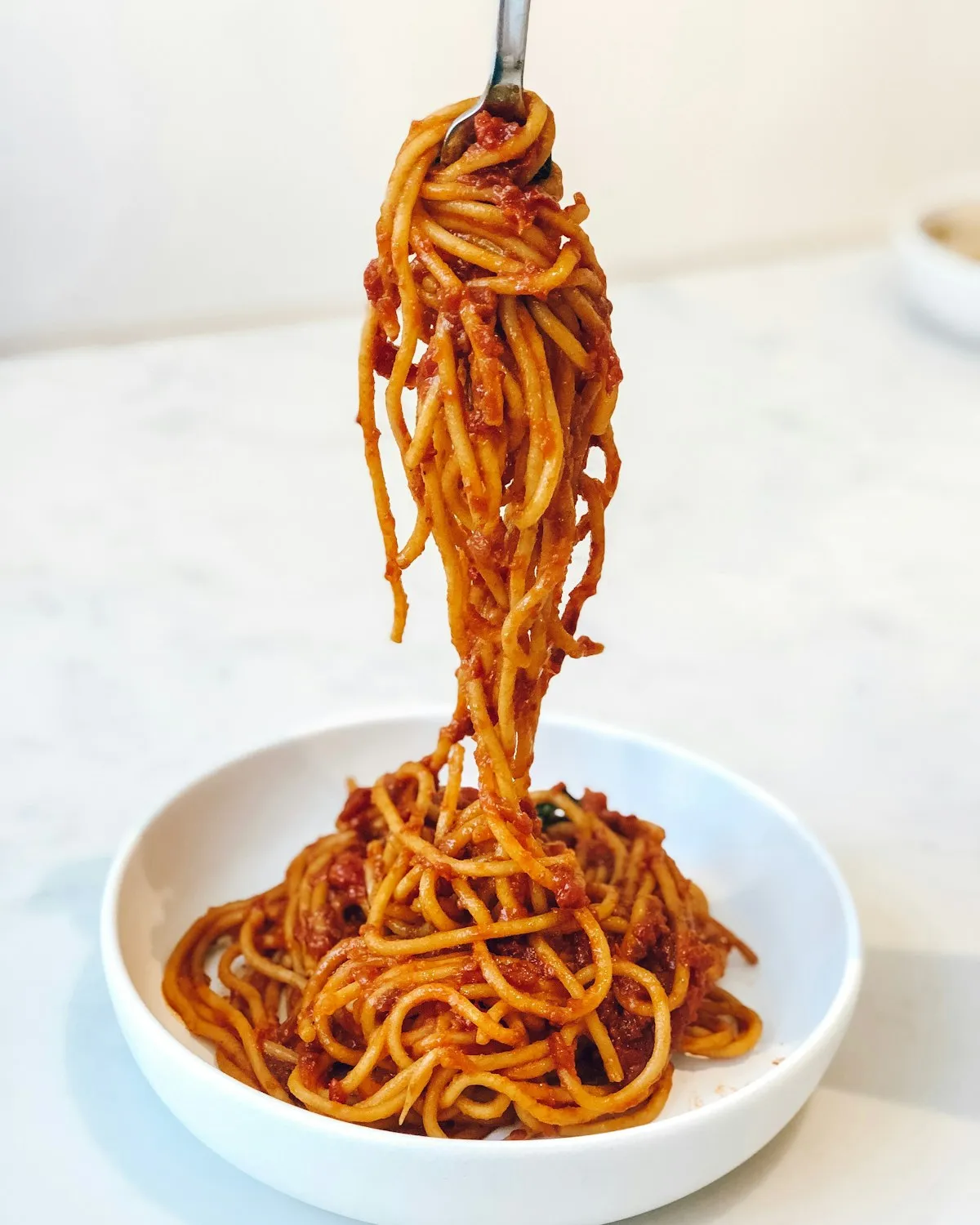
When you roast squash at high heat, the natural sugars undergo caramelization. This transforms the vegetable from "just sweet" to "complex and nutty." Those charred, golden edges provide the savory backbone that prevents the sauce from feeling cloying. If you are in a rush and looking for air fryer recipes dinner shortcuts, you can actually toss your squash cubes in the air fryer at 400°F (200°C) for about 12–15 minutes. It’s one of the best ways to get that deep browning in half the time it takes in a conventional oven.
Once your squash is tender and browned, you have a choice. You can keep it chunky for a rustic texture, or blend it into a silky purée. The purée method is superior for cling: the natural fibers in the squash act as a stabilizer, helping the sauce coat every nook and cranny of your pasta without separating.
Master the Beurre Noisette
The second pillar of this dish is brown butter, or beurre noisette. This isn't just melted butter; it is a toasted, fragrant fat that brings a popcorn-like aroma to the table.
Use a light-colored pan so you can actually see the color change. As you heat the butter, the water evaporates, and the milk solids begin to toast. This is where the magic happens. Add your fresh sage leaves right as the butter starts to foam. The fat-soluble aromatic compounds in the sage will infuse directly into the butter, while the leaves themselves become crisp and delicate.
Watch the pan like a hawk. You are looking for the milk solids to turn the color of a toasted hazelnut. The moment it smells nutty and looks golden-brown, pull it off the heat. If you wait too long, it goes from "gourmet" to "burnt" in seconds. This technique is a staple for quick family meals because it adds a massive amount of "chef-quality" flavor with only five minutes of effort.
The Pasta Water Secret
The bridge between your roasted squash and your brown butter is the starchy pasta water. Never, ever dump all your pasta water down the drain. This liquid gold is the emulsifier that turns a dry pile of pasta and fat into a glossy, unified sauce.
Cook your pasta in slightly less water than usual. Why? Because less water means a higher concentration of starch. When you toss the pasta into the pan with the squash and butter, add a splash of this starchy water and bring it to a violent simmer. The mechanical action of the boiling water, combined with the starch, forces the fat and the squash purée to bind together. The result is a velvety coating that doesn't feel greasy on the palate.
Delightful Variations for Every Table
While the classic sage and squash combo is hard to beat, you can easily adapt this to fit your mood or dietary needs. It’s one of those healthy dinner ideas that is incredibly flexible.
- The Spicy Kick: If the sweetness of the squash feels too dominant, add a heavy pinch of red pepper flakes to the butter while it browns. The heat cuts right through the richness.
- Protein Boost: For those who need a bit more heft, crispy pancetta or crumbled Italian sausage is a fantastic addition. The saltiness of the pork provides a perfect foil to the earthy squash.
- Vegan Alternatives: You can achieve a surprisingly similar result using a high-quality olive oil and a splash of full-fat coconut milk or cashew cream. Skip the butter browning and instead sauté the sage in oil until crisp, then blend the roasted squash with a bit of nutritional yeast for that savory "cheese" hit.
- Nutty Texture: Topping the finished dish with toasted walnuts or pine nuts adds a much-needed crunch that mimics the toasted notes in the brown butter.
Perfect Side Dish Pairings
Since this pasta is rich, creamy, and inherently sweet, your side dishes should focus on acidity and bitterness to provide balance.
A simple arugula salad is my go-to. The peppery bite of the greens and a sharp lemon vinaigrette will "reset" your taste buds between bites of the decadent pasta. Alternatively, try quick-sauteed broccolini with plenty of garlic and a squeeze of fresh lemon juice. Avoid heavy, starchy sides like garlic bread; you already have the pasta for that. You want something that feels light and vibrant to round out the meal.
For more inspiration on balanced plates, check out our Healthy Recipes section or explore our Quick Meals for more weeknight wins.
Frequently Asked Questions
Why is my sauce grainy or clumpy?
This usually happens if you add the cheese while the pan is over high heat. High heat causes the proteins in the cheese to tighten and clump together rather than melting smoothly. Always take the pan off the heat before stirring in your Parmesan or Pecorino. Also, ensure your squash is fully puréed or very finely mashed; large, un-blended fibers can sometimes create a "grainy" mouthfeel.
Can I use frozen butternut squash?
Absolutely. Using frozen cubes is one of my favorite hacks for quick family meals. Just be sure to roast them directly from frozen at a high temperature (400°F/200°C) to ensure they brown rather than steam. If you let them thaw first, they tend to get soggy and won't develop those crucial caramelized edges.
My sauce is too thick. How do I fix it?
This is the easiest fix in the kitchen. Simply add more of your reserved pasta water, one tablespoon at a time, while tossing the pasta over low heat. The starch will help the extra liquid integrate without breaking the emulsion. If you’ve already tossed the water, a splash of warm vegetable broth or even hot water will work in a pinch.
How do I store and reheat leftovers?
Pasta with starch-based emulsions can get a bit "tight" in the fridge as the starch sets. To reheat, add the pasta to a pan with a splash of water or milk. Heat it slowly over medium-low, tossing constantly. The added liquid and heat will "relax" the starch and bring that glossy texture back to life. Avoid the microwave if possible, as it tends to heat unevenly and can cause the butter to separate.
Can I use a different type of squash?
Yes! Honeynut squash is a fantastic alternative: it’s essentially a concentrated, sweeter version of butternut. Kabocha squash also works well and brings a starchier, almost chestnut-like flavor to the sauce. Avoid spaghetti squash for this specific recipe, as its stringy texture won't create the creamy emulsion we are looking for.
For more simple pasta recipes and kitchen tips, don't forget to visit our Gallery for visual inspiration or check out our 30-minute meals for more efficient cooking.
{“@type”:”BlogPosting”,”image”:”https://cdn.marblism.com/uYe7SpjGMU7.webp”,”author”:{“name”:”Cookpedia”,”@type”:”Organization”},”@context”:”https://schema.org”,”headline”:”Simple Pasta Recipes: Creamy Butternut Squash and Sage Pasta”,”publisher”:{“logo”:{“url”:”https://cookpedia.com/logo.png”,”@type”:”ImageObject”},”name”:”Cookpedia”,”@type”:”Organization”},”mainEntity”:{“@type”:”FAQPage”,”mainEntity”:[{“name”:”Why is my sauce grainy or clumpy?”,”@type”:”Question”,”acceptedAnswer”:{“text”:”Graininess often happens if cheese is added over high heat, causing proteins to clump. Always stir in cheese off the heat for a smooth melt.”,”@type”:”Answer”}},{“name”:”Can I use frozen butternut squash?”,”@type”:”Question”,”acceptedAnswer”:{“text”:”Yes, roast frozen cubes at high heat (400°F) to ensure they caramelize rather than steam.”,”@type”:”Answer”}},{“name”:”How do I fix a sauce that is too thick?”,”@type”:”Question”,”acceptedAnswer”:{“text”:”Add reserved pasta water one tablespoon at a time while tossing the pasta to loosen the emulsion and restore glossiness.”,”@type”:”Answer”}}]},”description”:”Discover the science behind the perfect creamy butternut squash and sage pasta. Learn how to master brown butter, roast for maximum flavor, and create a silky emulsion for a soul-satisfying meal.”,”datePublished”:”2026-07-25″}