Recipe
Servings
Servings 1×
Ingredients
- Chicken
- Shrimp
- Pasta
- Tomatoes
- Garlic
- Lemon
- Pesto
- Cream
- Hard cheese
- Cooking oil
- Chili seasoning
Method
- Prepare the ingredients described in the article and heat the cooking surface or oven as directed.
- Cook the main ingredients using the heat and timing guidance in the article.
- Finish with the seasonings and garnishes named in the article, then serve.
There is something undeniably comforting about a bowl of pasta that manages to feel both indulgent and fresh at the same time. When you’re staring at a half-empty fridge on a Tuesday night, you don’t need a culinary degree; you need a strategy. This creamy pesto farfalle is my go-to for those moments. It relies on pantry staples and a few fresh pops of color to create a dish that tastes like it took hours, but really, it’s just about understanding how a few simple ingredients play together.
The Science of the Perfect Sauce and Shape
The secret to this dish isn't just in the ingredients; it's in the physics of the pasta and the chemistry of the sauce. Choosing Farfalle: those charming bow-ties: isn't just an aesthetic choice. The "pinch" in the middle of the pasta stays slightly firmer than the flared edges, providing a delightful textural contrast known as al dente perfection. Those edges also act like little scoops, capturing the creamy sauce and bits of tomato in every bite.
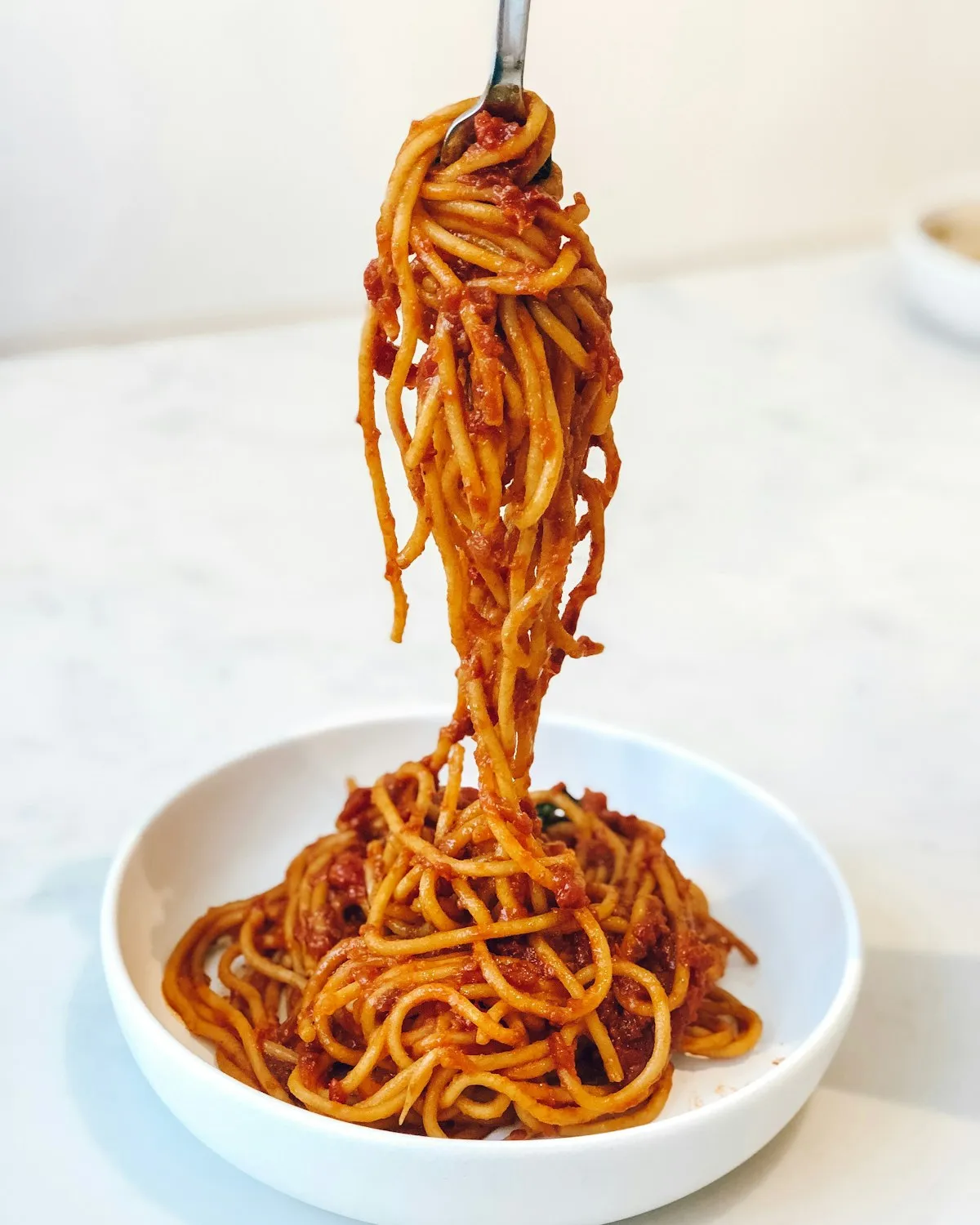
Mastering the Blister
When you toss cherry tomatoes into a hot pan with olive oil, you aren't just heating them up; you're initiating the Maillard reaction. This chemical process browns the natural sugars in the tomato skins, intensifying their sweetness while the heat breaks down the cellular structure inside. Use a wide skillet and let them sit undisturbed for a few minutes. If you stir too much, they’ll steam rather than blister. Once they pop and release their juices, they create a natural "jam" that serves as the flavor foundation for your sauce.
The Magic of Liquid Gold
Never, and I mean never, pour your pasta water down the drain. This starchy liquid is essentially "liquid gold" for home cooks looking for quick family meals. When you whisk a splash of this water into your pesto and cream base, the starch acts as a natural emulsifier. It binds the fat from the pesto's oil and the heavy cream to the water-based elements, creating a glossy, silky sauce that clings to the farfalle instead of pooling at the bottom of the bowl. If your sauce looks greasy or separated, it’s because the emulsion has broken: more pasta water is usually the cure.
Temperature Control and Basil Integrity
Basil is a fickle herb. If you expose pesto to high heat for too long, the leaves oxidize, turning the vibrant green into a muddy brown. To keep your pasta looking as fresh as it tastes, turn the heat to the lowest setting (or off entirely) before tossing in the pesto. The residual heat from the pasta and the pan is more than enough to warm the sauce without "cooking" the life out of the basil. This technique is a cornerstone of healthy dinner ideas that don't sacrifice visual appeal for flavor.
Flavor Variations: Balancing Richness with Acid
While the creamy pesto base is a winner on its own, you can easily pivot this dish based on what you have in the pantry. The key is to keep the balance of "richness vs. acidity" in mind. Since cream and pesto are naturally heavy, you need something to cut through that weight.
- The Spicy Kick: Add a teaspoon of red chili flakes when you sauté your garlic. The heat provides a sharp contrast to the cooling cream.
- The Protein Boost: If you want a heartier meal, top your bowl with sliced grilled chicken or sautéed shrimp. For those who enjoy air fryer recipes dinner style, you can even toss some seasoned chicken breast in the air fryer for 10-12 minutes to get a crispy exterior that pairs beautifully with the soft pasta.
- The Zest Factor: A squeeze of fresh lemon juice or a teaspoon of lemon zest added right at the end can brighten the entire dish. The citric acid acts as a "high note" that wakes up the earthy pine nuts and salty parmesan in the pesto.
Side Dish Pairings for a Balanced Plate
When serving a pasta dish this creamy, your side dishes should act as a refreshing counterpoint. Avoid heavy, buttery breads unless you’re looking for a total carb-overload. Instead, focus on crisp textures and high-acidity dressings.
A simple arugula and fennel salad with a lemon-shallot vinaigrette is the perfect partner. The peppery bite of the arugula and the crunch of the fennel provide a sensory reset between bites of rich pasta. Alternatively, try a side of roasted asparagus or steamed green beans with a dash of balsamic vinegar. These greens add much-needed fiber and keep the meal within the realm of healthy dinner ideas. If you are looking for more vegetable-forward sides, keep the seasoning minimal so they don't compete with the bold pesto flavor.
FAQ: Troubleshooting Your Pasta Game
Why is my pesto sauce turning brown?
Basil is extremely sensitive to heat and oxygen. If you boil the pesto or leave it in a hot pan for too long, the chlorophyll breaks down and the sauce loses its vibrant green color. Always add your pesto at the very end of the process, off the heat, and serve immediately.
My sauce is too thick and won't coat the pasta. What happened?
You likely didn't use enough pasta water, or the pasta absorbed the liquid too quickly. Farfalle has a lot of surface area to cover. Add your reserved pasta water one tablespoon at a time while tossing the pasta over low heat until the sauce loosens up and becomes glossy again.
Can I use milk instead of heavy cream?
You can, but the results will be significantly thinner. Heavy cream has a higher fat content, which helps stabilize the emulsion with the pesto. If you use milk, you'll need to rely more heavily on the starch in the pasta water and perhaps a handful of extra Parmesan cheese to achieve a similar creamy consistency.
Can I make this as part of my weekly quick family meals prep?
Pasta is generally best served fresh, but you can definitely prep the components. Blister the tomatoes and make your pesto (or buy a high-quality one) ahead of time. When you're ready for dinner, just boil the pasta and assemble. If you are reheating leftovers, add a tiny splash of water or milk before microwaving to prevent the sauce from becoming oily.
Is this recipe suitable for an air fryer?
While you can't cook the pasta itself in an air fryer, it is excellent for the components. If you are a fan of air fryer dinners, try "roasting" your cherry tomatoes in the air fryer basket at 400°F for 5-7 minutes until they pop. It’s a great way to get that blistered effect without using a skillet. This fits perfectly into your collection of air fryer recipes dinner tricks for busy nights.
What if I don't have Farfalle?
You can substitute with Penne or Fusilli. The goal is to use a "short" pasta with ridges or holes that can hold onto the sauce. Avoid long, thin noodles like Spaghetti for this specific creamy application, as the tomatoes and chunks of pesto will simply slide off the noodles and sink to the bottom of the plate.
{“@type”:”BlogPosting”,”image”:”https://cdn.marblism.com/CkGa2f6FW5L.webp”,”author”:{“name”:”Cookpedia”,”@type”:”Organization”},”@context”:”https://schema.org”,”headline”:”Simple Pasta Recipes: Creamy Pesto and Cherry Tomato Farfalle”,”publisher”:{“logo”:{“url”:”https://cookpedia.com/logo.png”,”@type”:”ImageObject”},”name”:”Cookpedia”,”@type”:”Organization”},”mainEntity”:{“@type”:”FAQPage”,”mainEntity”:[{“name”:”Why is my pesto sauce turning brown?”,”@type”:”Question”,”acceptedAnswer”:{“text”:”Basil is sensitive to heat and oxygen. To keep it green, add pesto at the very end off the heat.”,”@type”:”Answer”}},{“name”:”My sauce is too thick and won’t coat the pasta. What happened?”,”@type”:”Question”,”acceptedAnswer”:{“text”:”You need more starchy pasta water. Add it one tablespoon at a time while tossing the pasta to restore the glossy emulsion.”,”@type”:”Answer”}},{“name”:”Can I use milk instead of heavy cream?”,”@type”:”Question”,”acceptedAnswer”:{“text”:”Yes, but the sauce will be thinner. Use extra Parmesan and pasta water to help it thicken.”,”@type”:”Answer”}}]},”description”:”Learn the science behind perfect creamy pesto pasta. Discover how to use starchy pasta water and blistered tomatoes for a quick, flavorful family meal.”,”datePublished”:”2026-07-28″,”mainEntityOfPage”:{“@id”:”https://cookpedia.com/simple-pasta-recipes-creamy-pesto-farfalle”,”@type”:”WebPage”}}