Recipe
Servings
I used to be a pasta traditionalist. I believed that if you didn’t boil your noodles in a giant vat of salted water, you were doing it wrong. Then I discovered the magic of one-pot cooking, and my kitchen life changed forever. If you are looking for quick family meals that don't leave you with a mountain of dishes, this creamy tomato and spinach shrimp pasta is about to become your new best friend. It’s elegant enough for a date night but simple enough for a Tuesday at 6:00 PM when everyone is starving. 1×
Serves I used to be a pasta traditionalist. I believed that if you didn’t boil your noodles in a giant vat of salted water, you were doing it wrong. Then I discovered the magic of one-pot cooking, and my kitchen life changed forever. If you are looking for quick family meals that don't leave you with a mountain of dishes, this creamy tomato and spinach shrimp pasta is about to become your new best friend. It’s elegant enough for a date night but simple enough for a Tuesday at 6:00 PM when everyone is starving.
Ingredients
- Shrimp
- Pasta
- Noodles
- Spinach
- Tomatoes
- Onion
- Garlic
- Cream
- Hard cheese
- Cooking oil
Method
- Use a 2:1 ratio of liquid to pasta by weight as your baseline.
- Start with just enough liquid to barely cover the pasta.
- Let them poach gently in the starchy, bubbling sauce.
I have a confession to make: I used to be a pasta traditionalist. I believed that if you didn’t boil your noodles in a giant vat of salted water, you were doing it wrong. Then I discovered the magic of one-pot cooking, and my kitchen life changed forever. If you are looking for quick family meals that don't leave you with a mountain of dishes, this creamy tomato and spinach shrimp pasta is about to become your new best friend. It’s elegant enough for a date night but simple enough for a Tuesday at 6:00 PM when everyone is starving.
The Starchy Science of the One-Pot Method
The biggest mistake most people make with pasta is throwing away the "liquid gold": the starchy water left in the pot. In a one-pot meal, that liquid never leaves. As the dry pasta cooks directly in the sauce, it releases its starch granules. These granules act as a natural emulsifier, binding the fat from your cream and the acidity from the tomatoes into a cohesive, velvety sauce that clings to every noodle.
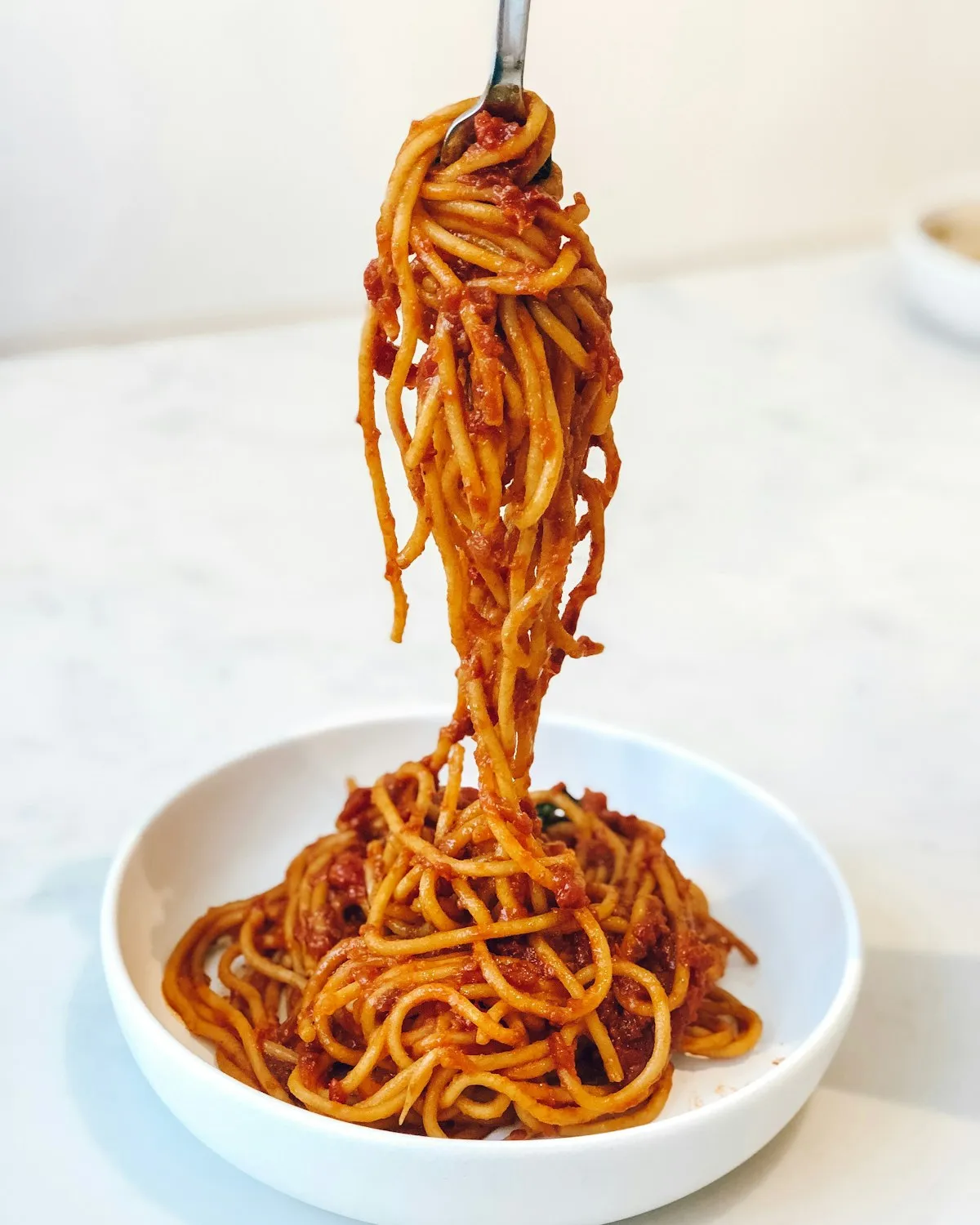
Master the Liquid Ratio
Use a 2:1 ratio of liquid to pasta by weight as your baseline. If you use too much liquid, you’ll end up with a soup; too little, and you’ll have crunchy, half-raw noodles. Start with just enough liquid to barely cover the pasta. You can always add a splash more broth if the pan looks dry, but you can’t easily take it away. Choose a wide, shallow skillet instead of a deep pot. The increased surface area allows for better evaporation and ensures the pasta cooks evenly without becoming a gummy mess.
The Art of the Succulent Shrimp
Stop overcooking your shrimp. Shrimp are delicate and turn into rubber balls the second they spend too long over high heat. To keep them tender, add them to the pan during the final three to four minutes of cooking. Let them poach gently in the starchy, bubbling sauce. They are finished the moment they turn opaque and curl into a loose "C" shape. If they form a tight "O," you’ve gone too far.
Building Layers of Flavor
Don't just dump everything in at once. Sauté your aromatics: garlic, shallots, or onions: in olive oil first until they are fragrant and slightly softened. This creates a flavor foundation that the pasta will soak up as it hydrates. If you want a deeper flavor profile, sear the shrimp first, remove them from the pan, and then bring them back at the very end. This adds those golden, caramelized bits to the bottom of the pan (the fond), which will then be deglazed by your cooking liquid, enriching the entire dish.
Achieving the Perfect Creamy Finish
Wait until the very end to stir in your heavy cream and fresh spinach. Spinach only needs about 30 seconds of residual heat to wilt perfectly. If you add it too early, it turns into a brownish-green mush. The same goes for the cream; high heat for long periods can cause dairy to break. Off the heat, toss in a handful of freshly grated Parmesan. The cheese works with the pasta starch to create a professional, restaurant-style sheen that you just can't get from a jarred sauce. For more inspiration on efficient cooking, check out our one-pot meals category.
Variations to Suit Your Cravings
While shrimp and tomato are a classic pairing, the one-pot method is incredibly versatile. If you prefer a bit of heat, stir in some crushed red pepper flakes or even a bit of diced spicy chorizo at the beginning of the cooking process. The fat from the chorizo will render out and color the sauce a beautiful deep orange.
For a vegetarian twist, swap the shrimp for quartered cremini mushrooms or sun-dried tomatoes. Mushrooms provide a wonderful umami depth that replaces the brininess of the seafood. If you are looking for healthy dinner ideas, you can use whole-grain pasta, though you may need to increase the liquid slightly and extend the cooking time by a few minutes. Just keep an eye on the texture; whole grain can go from "toothsome" to "grainy" quickly.
If you’re a fan of land over sea, thinly sliced chicken breast works beautifully here as well. Just ensure you sear the chicken fully before starting the pasta, as it requires a longer cooking time than shrimp to reach a safe internal temperature. You can find more versatile pasta recipes here to help you mix up your weekly routine.
Side Dish Pairings for a Balanced Plate
When you have a rich, creamy main dish, you need acidity and crunch to provide balance. A simple arugula salad with a sharp lemon vinaigrette is my go-to. The peppery bite of the arugula cuts right through the creaminess of the tomato sauce, refreshing your palate between bites.
Garlic bread is, of course, the traditional choice for mopping up any extra sauce. If you want to keep things lighter, roasted asparagus or broccolini with a sprinkle of lemon zest are fantastic healthy dinner ideas that add color and nutrition to your meal. If you're looking to save even more time, you can even find air fryer recipes dinner side dishes like crispy Brussels sprouts that cook in minutes while your pasta simmers on the stove. This keeps your stovetop clear and your stress levels low.
Frequently Asked Questions
What if my pasta is sticking to the bottom of the pan?
This usually means you aren't stirring enough or your heat is too high. One-pot pasta requires a bit more babysitting than the traditional method. You need to stir every minute or two to keep the starch from settling and burning. If it starts to stick, add a tablespoon of broth and scrape the bottom of the pan with a wooden spoon immediately.
Can I use frozen shrimp for this?
Absolutely. Just make sure they are fully thawed and patted dry before adding them to the pot. If you add frozen shrimp directly, they will release too much water, which will throw off your liquid ratio and result in a thin, watery sauce. Thaw them in a bowl of cold water for 15 minutes, and they’ll be ready to go.
My sauce is too thin! How do I fix it?
Don't panic. If your pasta is al dente but the sauce is still runny, remove the pan from the heat and let it sit for two to three minutes. As it cools slightly, the starch will continue to thicken the liquid. You can also add an extra handful of Parmesan cheese, which acts as a thickening agent.
Can I use milk instead of heavy cream?
You can, but the sauce won't be as luxurious. If you use milk, I recommend whisking in a teaspoon of cornstarch before adding it to the pan to help it thicken. Be careful not to let the sauce boil too vigorously after adding milk, as it is more prone to curdling than heavy cream.
How do I store and reheat leftovers?
One-pot pasta is best served immediately because the pasta continues to absorb the sauce as it sits. If you do have leftovers, store them in an airtight container for up to two days. When reheating, add a splash of water or milk to loosen the sauce back up, as it will likely have turned into a thick block in the fridge.
Finding quick family meals that everyone actually enjoys is no small feat, but this shrimp pasta usually hits the mark. It’s a great introduction to the world of quick meals that don't sacrifice quality for speed. Grab your skillet and get cooking!
{“@type”:”BlogPosting”,”image”:[“https://cdn.marblism.com/noMYCnHg0z-.webp”,”https://cdn.marblism.com/LiW1-6zxYcG.webp”,”https://cdn.marblism.com/3WU_J9I5xKU.webp”,”https://cdn.marblism.com/BTLsJPqzPO0.webp”,”https://cdn.marblism.com/k7oCr2zOWBS.webp”],”author”:{“name”:”Penny”,”@type”:”Person”},”@context”:”https://schema.org”,”headline”:”One-Pot Meals: Creamy Tomato and Spinach Shrimp Pasta”,”publisher”:{“logo”:{“url”:”https://cookpedia.com/logo.png”,”@type”:”ImageObject”},”name”:”Cookpedia”,”@type”:”Organization”},”description”:”Learn the science behind perfect one-pot pasta with this creamy tomato and spinach shrimp recipe. A quick family meal that balances rich flavors with simple techniques.”,”datePublished”:”2026-07-28″,”mainEntityOfPage”:{“@id”:”https://cookpedia.com/one-pot-shrimp-pasta”,”@type”:”WebPage”}}