Recipe
Servings
Servings 1×
Ingredients
- Chicken
- Salmon
- Shrimp
- Penne
- Pasta
- Noodles
- Bread
- Broccoli
- Asparagus
- Zucchini
- Spinach
- Garlic
- Lemon
- Butter
- Cooking oil
- Salt
- Black pepper
Method
- Use it to build your sauce base in the skillet.
- Heat management is your next non-negotiable.
- Add the zest at the very end.
- Use a microplane to get those fine, airy wisps of yellow gold, and avoid the white pith at all costs, that’s where the bitterness hides.
- Start your garlic in a cold pan with the oil or a little butter.
- Let them heat up together.
You know those days where your brain feels like a browser with fifty tabs open, and three of them are playing music you can’t find? We’ve all been there. By the time 6:00 PM rolls around, the last thing you want is a recipe that requires a degree in chemistry or three hours of simmering. You want something that tastes like a high-end bistro but takes less time than a commercial break. That is exactly where this lemon caper spaghetti comes into play. It is the ultimate "soul in a bowl", bright, punchy, and effortlessly elegant.
The Science of the Gloss: Master the Emulsion
The secret to the world's best simple pasta recipes isn't some rare truffle oil or a secret spice blend; it is physics. Specifically, it is the magic of emulsification. When you toss pasta with butter and lemon juice, you are trying to force two things that hate each other, fat and water, to become best friends. If you just dump them together, you get an oily mess at the bottom of the bowl and dry noodles on top. Nobody wants that.
To achieve that restaurant-quality glossy sauce, you must treat your pasta water like liquid gold. As the spaghetti cooks, it releases starch into the water. This starchy liquid acts as a bridge (an emulsifier) that allows the melted butter to cling to the lemon juice and the pasta strands. Always scoop out a cup of that cloudy water before you drain the noodles. Use it to build your sauce base in the skillet.
Heat management is your next non-negotiable. An emulsion is delicate. If the pan is screaming hot when you add the butter, the milk solids will separate from the fat, and the sauce will "break." Turn the heat down to low, or even take the pan off the burner entirely, before you whisk in your cold butter cubes. The goal is to melt the butter slowly while agitating the pan, creating a creamy, opaque veil that coats every inch of the spaghetti. This technique is the foundation for most quick family meals that rely on pantry staples.
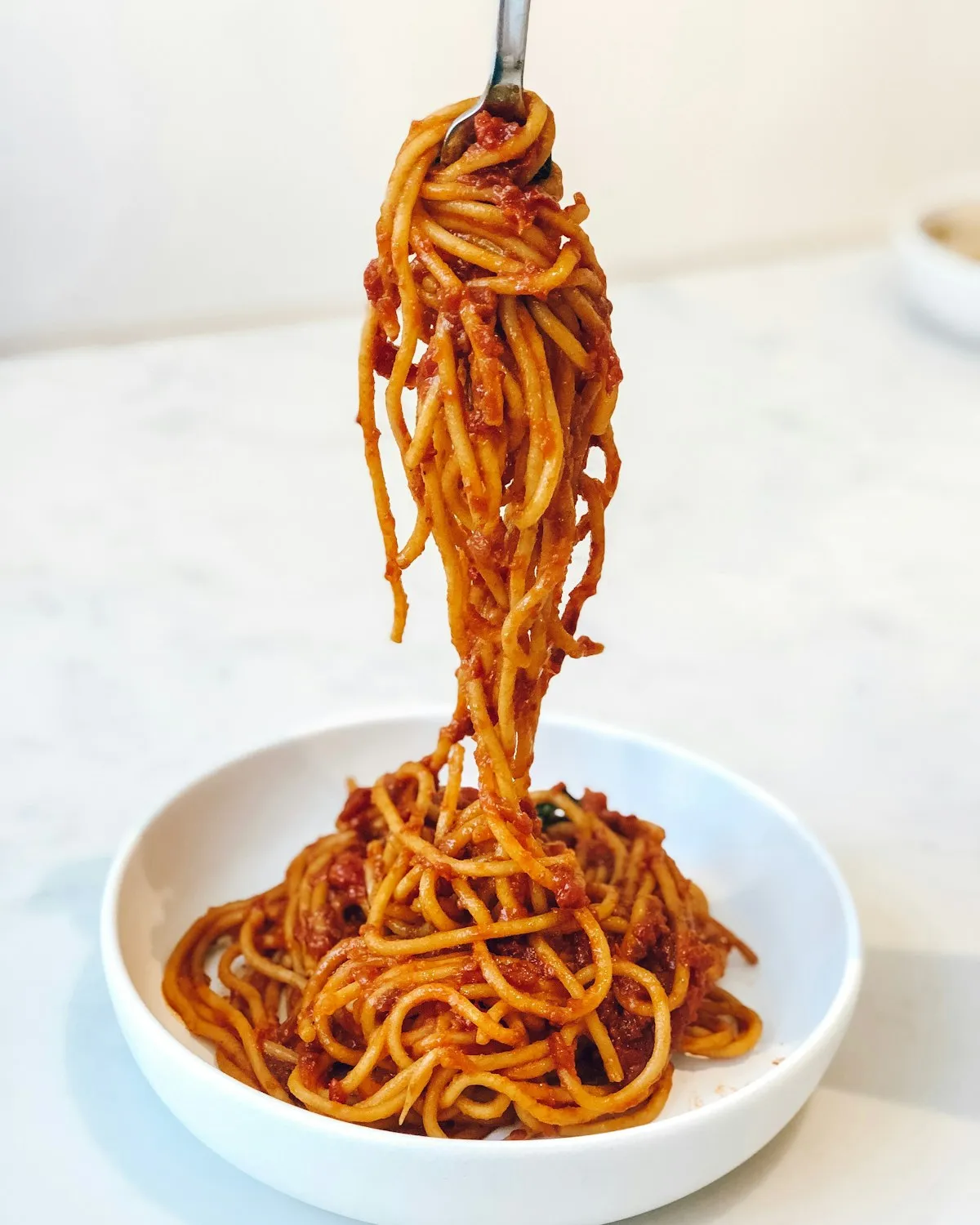
Don't forget the power of the zest. While the juice provides the sharp acidity that cuts through the richness of the butter, the zest contains the essential oils that provide that deep, floral lemon aroma. Add the zest at the very end. If you cook it too long, it can turn bitter. Freshness is the name of the game here. Use a microplane to get those fine, airy wisps of yellow gold, and avoid the white pith at all costs, that’s where the bitterness hides.
Finally, let's talk about the capers. These tiny salt-bombs are the "soul" of the dish. They provide an umami punch that balances the brightness of the lemon. If you find them too aggressive, give them a quick rinse under cold water. However, if you're like me and crave that briny kick, toss a teaspoon of the caper juice directly into the pan. It adds an extra layer of depth that makes people think you’ve been standing over the stove for hours.
Soulful Twists and Flavor Variations
Once you’ve mastered the base technique, you can start playing with the boundaries. This dish is a minimalist canvas, and you are the artist. For those looking for healthy dinner ideas that don't skimp on flavor, try swapping half the spaghetti for zucchini noodles or adding a large handful of fresh baby spinach at the very end. The residual heat of the pasta will wilt the greens perfectly without making them slimy.
If you want to beef it up with some protein, seared shrimp or scallops are the natural partners for lemon and capers. If you’re in a rush, you could even lean on your air fryer. While your pasta is boiling, toss some seasoned chicken breast or salmon fillets into the basket. Searching for air fryer recipes dinner options often leads to heavy coatings, but a simple lemon-pepper rub on salmon works beautifully alongside this pasta. It keeps the meal light while satisfying that need for a "main" protein.
For the heat-seekers, a pinch of red pepper flakes (peperoncino) toasted in the garlic and oil at the beginning of the process will change the entire mood of the dish. It transforms the experience from a sunny Mediterranean afternoon to a spicy, soulful evening meal. If you’re keeping it vegan, high-quality extra virgin olive oil can replace the butter, though the sauce will be slightly less "creamy" and more "silky." In that case, double down on the pasta water to ensure the oil and lemon juice still bind effectively.
The Perfect Side: Balancing the Plate
Because this pasta is rich with butter and bright with acid, your side dishes should focus on texture and contrast. Avoid anything too creamy or heavy; you don't want to compete with the main event. A simple arugula salad is my go-to recommendation. The peppery bite of the arugula stands up well to the lemon, and a very light dressing of olive oil and a squeeze of leftover lemon is all you need.
If you’re catering to a hungry crowd and looking for more quick family meals, a side of crusty artisan bread is mandatory. You’ll want something to mop up every last drop of that lemon-butter sauce from the bottom of the plate. If you have five extra minutes, rub a cut clove of garlic over the toasted bread for a quick, "no-recipe" garlic bread that feels much fancier than it actually is.
For a slightly more substantial pairing, consider roasted asparagus or broccolini. Much like air fryer recipes dinner staples, these vegetables thrive with a bit of char. The slight bitterness of charred greens provides a beautiful counterpoint to the salty capers. It rounds out the meal, making it one of those healthy dinner ideas that leaves you feeling satisfied rather than stuffed.
Troubleshooting Your Pasta: The FAQ
Why did my sauce turn oily instead of creamy?
This usually happens because the emulsion "broke." Either the pan was too hot when you added the butter, or you didn't use enough pasta water. To fix it, remove the pan from the heat, add a tablespoon of hot pasta water, and whisk like your life depends on it. The starch and the agitation should pull the fat and water back together into a glossy sauce.
Can I use bottled lemon juice?
In a word: No. When a dish has so few ingredients, the quality of each one is magnified. Bottled juice often has preservatives and a "cooked" flavor that lacks the vibrant, zingy punch of a fresh lemon. Buy the real thing; your taste buds will thank you.
What if I don't have capers?
While capers are the star here, you can substitute them with finely chopped green olives or even some diced dill pickles in a pinch. You are looking for that salty, acidic punch. If you skip them entirely, make sure to add an extra pinch of salt and perhaps a bit more lemon zest to keep the flavors from falling flat.
How do I prevent the garlic from burning?
Garlic turns bitter the second it browns too much. Start your garlic in a cold pan with the oil or a little butter. Let them heat up together. As soon as you can smell the garlic and it looks pale gold, add your liquids (lemon juice or pasta water). This immediately drops the temperature of the oil and stops the garlic from cooking further.
Is this pasta good for meal prep?
Honestly, lemon-butter sauces are best enjoyed immediately. As the pasta sits, it continues to soak up the sauce, and the emulsion can break when reheated. However, if you must save leftovers, reheat them in a pan with a splash of water or milk over low heat to help the sauce "relax" back into its creamy state.
Does the type of pasta matter?
Spaghetti or linguine are the classics because their long, thin surface area is perfect for catching a light emulsion. That said, short shapes like fusilli or penne work well too, as the sauce gets trapped in the ridges and holes. The most important thing is to cook it al dente: it should have a bit of a "bite" to it.
{“@type”:”BlogPosting”,”image”:”https://cdn.marblism.com/7AOgmTJr6Jw.webp”,”author”:{“name”:”Penny”,”@type”:”Person”},”@context”:”https://schema.org”,”headline”:”Simple Pasta Recipes: 15-Minute Lemon Caper Spaghetti”,”publisher”:{“logo”:{“url”:”https://cdn.marblism.com/KxroJ1kM_KA.webp”,”@type”:”ImageObject”},”name”:”Cookpedia”,”@type”:”Organization”},”description”:”Learn the science behind the perfect 15-minute Lemon Caper Spaghetti. Master the art of emulsification for a glossy, restaurant-quality sauce every time.”,”datePublished”:”2026-06-06″}