Recipe
Servings
Servings 1×
Ingredients
- Pasta
- Garlic
- Lemon
- Cream
- Cooking oil
Method
- Prepare the ingredients described in the article and heat the cooking surface or oven as directed.
- Cook the main ingredients using the heat and timing guidance in the article.
- Finish with the seasonings and garnishes named in the article, then serve.
If your weeknights often feel like a race against the clock, you aren't alone. Sometimes, the soul needs a meal that feels like a warm hug but doesn't require an hour of standing over a stove. That is exactly where this zesty ricotta pasta comes into play. It is the ultimate expression of our "real food, fast" philosophy, taking five or six humble ingredients and turning them into something that tastes like a weekend at a sun-drenched Italian villa. Forget the heavy, cloying cream sauces of the past; we are talking about a bright, light, and deeply satisfying bowl of comfort that you can pull together in the time it takes for your pasta water to boil.
The Science of the Silk: Mastery Through Emulsification
To master simple pasta recipes, you must understand the magic of emulsification. Most people treat pasta water like a waste product, but in my kitchen, it is liquid gold. As your pasta cooks, it sheds starch into the water. This starchy liquid acts as a bridge between the fat (your olive oil and ricotta) and the moisture in the sauce. Without it, your oil will simply sit in a greasy puddle at the bottom of the bowl.
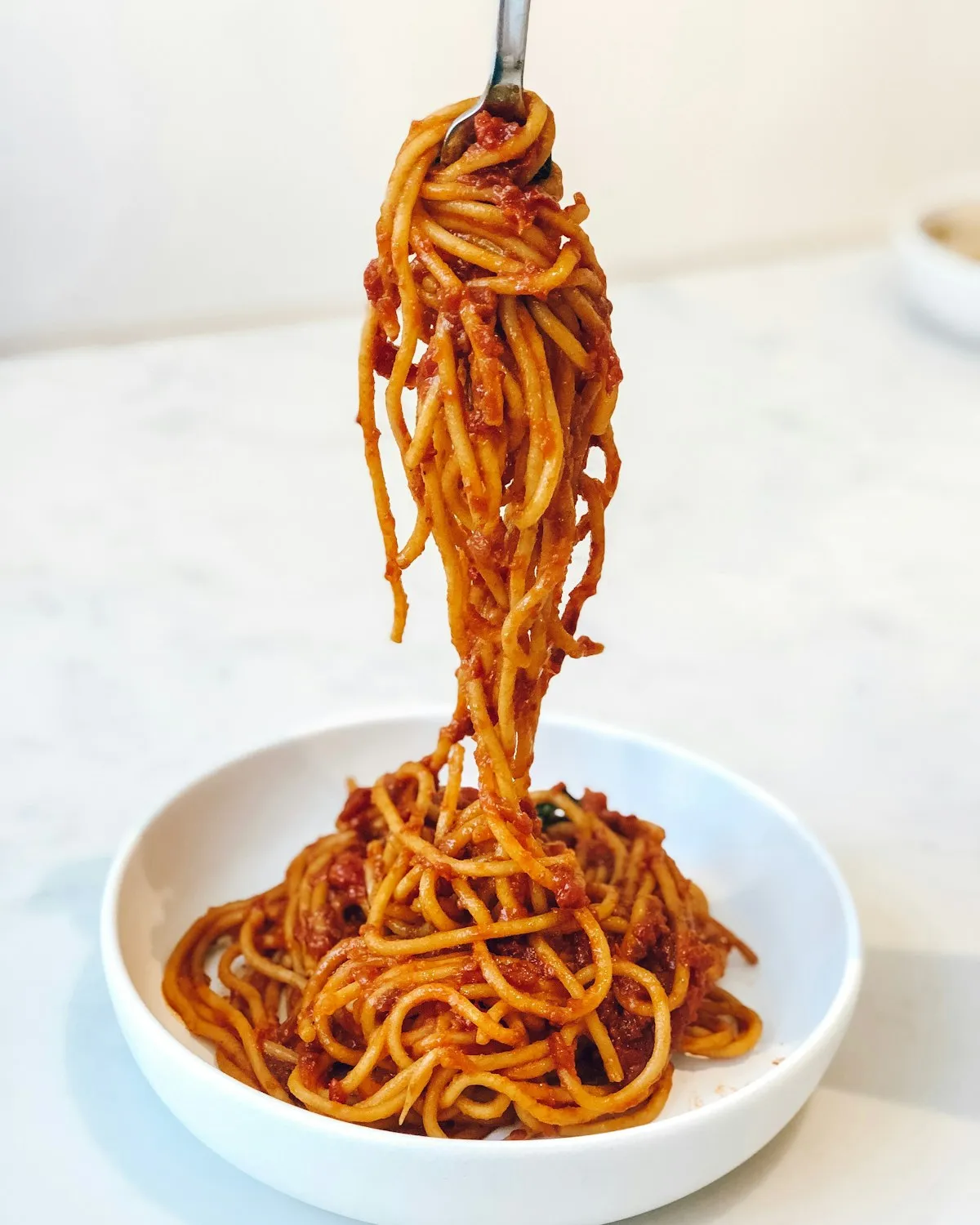
Use your pasta water strategically. Always pull your pasta out of the pot about two minutes before the box says it’s "al dente." The center should still have a tiny bit of chalky resistance. Why? Because you are going to finish cooking it directly in your skillet. This "double-cook" method allows the pasta to absorb the flavors of the lemon and garlic while simultaneously releasing even more starch directly into your sauce. This creates a natural thickening effect that results in a glossy, restaurant-quality finish without a single drop of heavy cream.
Check the texture of your sauce constantly. If it looks too thick or sticky, add another splash of that hot water. If it looks too thin, keep it on the heat for thirty more seconds while tossing vigorously. The mechanical action of tossing the pasta helps the fat and water bind together. This is a non-negotiable step if you want that velvet-like coating on every single strand.
The Golden Rule of Ricotta: Heat is the Enemy
Ricotta is a sensitive soul. It is a "fresh" cheese, meaning it hasn't been aged, and its proteins are delicate. If you subject ricotta to high, direct heat for too long, it will break. When cheese "breaks," the fats and solids separate, leaving you with a grainy, sandy texture that ruins the mouthfeel of the dish. To avoid this, treat your ricotta like a finishing touch rather than a cooking ingredient.
Take the skillet off the heat entirely before you stir in the cheese. I often go a step further: I whisk the ricotta in a separate small bowl with a ladle of the hot pasta water before adding it to the pan. This "tempers" the cheese, bringing it up to temperature slowly and ensuring it integrates into the sauce with absolute smoothness. Use a high-quality, whole-milk ricotta whenever possible. The "part-skim" varieties often contain stabilizers and thickeners that interfere with the silkiness we are aiming for in these quick family meals.
Variations for the Adventurous Soul
While the lemon-and-garlic base is a minimalist masterpiece, the beauty of simple pasta recipes lies in their versatility. You can easily adapt this framework to suit whatever is lurking in your pantry or fridge. If you’re looking for healthy dinner ideas, consider these soulful twists.
For a spicy kick, add a generous pinch of red pepper flakes to your olive oil at the very beginning. The oil will "bloom" the spices, carrying the heat through the entire dish. If you want something earthier, stir in a handful of baby spinach or arugula right as you add the hot pasta; the residual heat will wilt the greens perfectly without making them mushy.
If you have leftovers from one of your air fryer recipes dinner sessions, like roasted peppers or even flaked salmon, toss them in at the end. Ricotta plays incredibly well with smoky, charred flavors. You can even lean into a "pink sauce" vibe by whisking in a tablespoon of tomato paste into the garlic oil before adding your pasta water. This creates a hybrid between a traditional marinara and a creamy white sauce that is exceptionally comforting on a rainy Tuesday.
Balancing the Plate: Side Dish Pairings
Because this pasta is rich and creamy, you want to pair it with sides that offer high acidity and a sharp crunch. A heavy meal needs a "high-note" partner to keep your palate from getting overwhelmed.
Avoid starchy sides like garlic bread; you already have the pasta for that. Instead, go for a bright citrus salad. Thinly sliced fennel tossed with orange segments and a splash of white balsamic vinegar provides the perfect architectural contrast to the soft, pillowy texture of the ricotta. If you want something warm, try quick-charred broccolini. Hit it with plenty of lemon juice and a sprinkle of sea salt. The bitterness of the charred brassica cuts right through the fat of the whole-milk ricotta, making every bite of the pasta feel like the first one again.
FAQ: Navigating the Minimalist Kitchen
Why is my ricotta sauce grainy instead of smooth?
Graininess is almost always caused by heat. If you boil the sauce after adding the ricotta, the proteins will clump together. Always remove the pan from the burner before folding in the cheese. Also, check your ricotta's ingredients; if it contains gums or stabilizers (common in low-fat versions), it will never be as smooth as the real deal.
What if I forgot to save the pasta water?
We have all been there, you pour the water down the drain and realize your mistake a second too late. Don't panic. You can "fake" it by whisking half a teaspoon of cornstarch into a cup of hot water or even using a splash of chicken broth. It won't be quite as perfect as the natural starch from the pasta, but it will help the emulsion form.
Can I make this with gluten-free pasta?
Absolutely. However, gluten-free pasta releases a different type of starch (usually rice or corn-based), which can sometimes make the water a bit "slimy" if you use too much. Use smaller increments of water and toss more gently, as gluten-free noodles tend to be more fragile and can break apart during the emulsification process.
Is this a good option for quick family meals?
Yes, it is one of the best. Because it only takes 15 minutes, it’s a lifesaver for busy parents. If you’re catering to kids who might be wary of "zesty" flavors, simply dial back the lemon zest and heavy black pepper. The creamy, mild nature of ricotta is generally a huge hit with younger palates.
How do I reheat leftovers without the sauce separating?
Creamy sauces are notoriously difficult to reheat because the emulsion breaks in the microwave. To revive it, add a tiny splash of water or milk to the bowl before heating. Stir every 30 seconds to re-incorporate the moisture. For the best results, reheat it in a small pan on the stovetop over low heat, whisking constantly.
Can I use a different cheese if I'm out of ricotta?
While ricotta is the star here for its lightness, a soft goat cheese (chevre) or even mascarpone can work. Just be aware that goat cheese will add a much sharper, funkier tang, and mascarpone will be significantly richer and more decadent. Adjust your lemon juice accordingly to balance the extra fat.
{“@type”:”FAQPage”,”@context”:”https://schema.org”,”mainEntity”:[{“name”:”Why is my ricotta sauce grainy instead of smooth?”,”@type”:”Question”,”acceptedAnswer”:{“text”:”Graininess is usually caused by excessive heat or using low-fat ricotta with stabilizers. To keep it smooth, remove the pan from the heat before adding the cheese and use high-quality, whole-milk ricotta.”,”@type”:”Answer”}},{“name”:”What if I forgot to save the pasta water?”,”@type”:”Question”,”acceptedAnswer”:{“text”:”If you accidentally drained all the water, you can substitute a splash of chicken broth or hot water whisked with a tiny bit of cornstarch to mimic the starchy properties needed for emulsification.”,”@type”:”Answer”}},{“name”:”Can I make this with gluten-free pasta?”,”@type”:”Question”,”acceptedAnswer”:{“text”:”Yes, but be gentle. Gluten-free pasta is more fragile. Use the starchy water as usual, but toss the pasta carefully to avoid breaking the noodles.”,”@type”:”Answer”}},{“name”:”How do I reheat leftovers without the sauce separating?”,”@type”:”Question”,”acceptedAnswer”:{“text”:”Add a splash of water or milk before reheating and stir frequently. Reheating on the stovetop over low heat is the best way to maintain the creamy texture.”,”@type”:”Answer”}}]}