Recipe
Servings
Servings 1×
Ingredients
- Salmon
- Pork
- Pasta
- Noodles
- Eggs
- Bread
- Broccoli
- Asparagus
- Mushrooms
- Peas
- Tomatoes
- Garlic
- Lemon
- Balsamic vinegar
- Hard cheese
- Chili seasoning
- Salt
Method
- Prepare the ingredients described in the article and heat the cooking surface or oven as directed.
- Cook the main ingredients using the heat and timing guidance in the article.
- Finish with the seasonings and garnishes named in the article, then serve.
There is a specific kind of magic that happens when you realize that the most intimidating Italian classic is actually one of the most reliable simple pasta recipes in your repertoire. Forget the stress of scrambled eggs or broken sauces; carbonara is about chemistry, not luck. I’ve spent years perfecting this in my own kitchen, and today I’m sharing the secret to a foolproof, silky emulsion with a sneaky little twist that will make your guests wonder what your "secret ingredient" is.
The Science of the Perfect Silky Emulsion
Understanding carbonara means understanding that you aren't just making a sauce; you are creating a stable emulsion. An emulsion is a mixture of two things that usually don't like to hang out together: in this case, fat (from the pork and eggs) and water (from the pasta pot). To keep them from separating and turning into a greasy mess, you need a mediator. That mediator is starch.
Master the Starch Concentration
Always use less water than you think you need when boiling your noodles. This isn't just about saving energy; it’s about concentrating the starch. When you cook pasta in a smaller volume of water, that water becomes a cloudy, viscous liquid gold. This concentrated starch acts as a stabilizer, wrapping around the fat droplets and preventing them from clumping together. Never, ever dump that water down the drain before you’ve reserved at least a full cup. It is the literal glue of your meal.
The Art of Tempering
Treat your egg and cheese mixture like a delicate custard. If you throw cold eggs into a scorching hot pan, you’re making breakfast, not dinner. Instead, use the "tempering" technique. Slowly whisk a few tablespoons of hot pasta water into your egg and cheese bowl before the mixture ever touches the pasta. This gently raises the temperature of the eggs, allowing the proteins to begin uncurling without snapping shut into a scramble.
Residual Heat is Your Friend
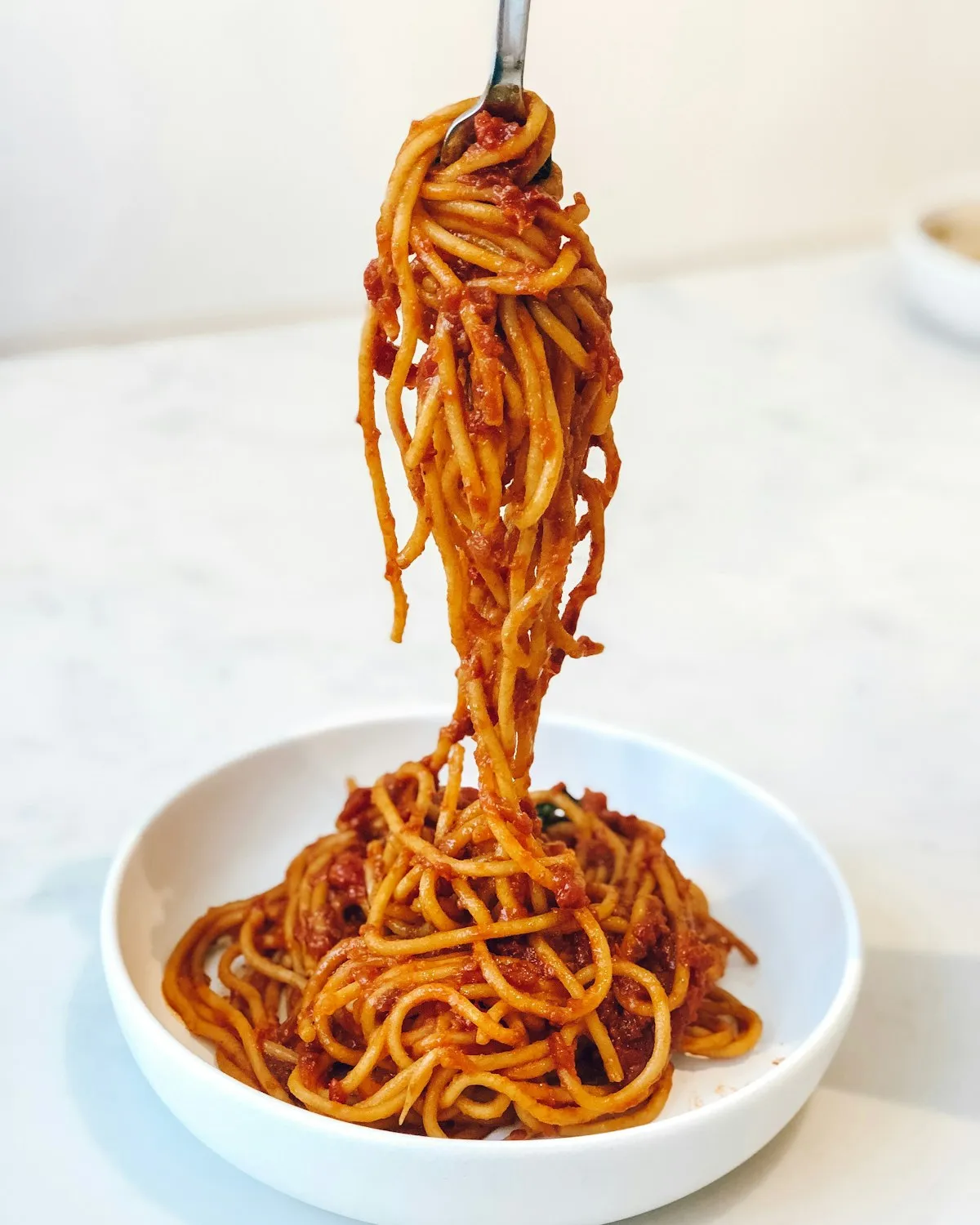
Stop cooking on the stove. This is the non-negotiable rule of carbonara. The most common mistake is keeping the burner on while you add the eggs. The residual heat from the pasta and the pan is more than enough to cook the eggs into a safe, creamy sauce. Turn the heat off, move the pan to a cool burner, and then: and only then: introduce your tempered egg mixture. Toss vigorously. The mechanical action of tossing, combined with the starch and the gentle heat, creates that signature glossy sheen.
Flavor Twists and Umami Upgrades
While a traditionalist might look away, adding a "twist" to your carbonara can elevate it from a standard meal to something extraordinary. My favorite secret weapon is a teaspoon of white miso paste whisked into the egg mixture. Miso provides a deep, fermented saltiness that complements the Pecorino Romano perfectly, acting as an "umami multiplier" without changing the texture of the dish.
If miso feels too adventurous, try a "Smoky Garlic" twist. Incorporate a pinch of smoked paprika and a finely minced clove of garlic into the pork fat as it renders. This adds a depth of flavor that mimics the traditional wood-fired taste of guanciale, even if you’re just using standard pantry bacon. These minor adjustments are what make these simple pasta recipes feel like high-end restaurant fare. Whether you are looking for quick family meals or a solo comfort dinner, these small tweaks keep the kitchen exciting.
Creative Variations for Every Palate
Once you master the base technique, the world of carbonara opens up. You don't have to stick to the script every single Tuesday night.
- The Garden Carbonara: For those seeking healthy dinner ideas, try adding blanched peas or thinly sliced asparagus during the last minute of the pasta boil. The brightness of the greens cuts through the richness of the egg yolks and cheese, providing a much-needed acidic balance.
- The Mushroom Twist: Sautéed cremini or shiitake mushrooms are a fantastic vegetarian alternative or addition. If you go meatless, add a drop of liquid smoke or extra smoked sea salt to ensure you don't lose that characteristic "charred" flavor profile that defines a good carbonara.
- Seafood Swap: While unconventional, flaked smoked salmon or seared scallops can replace the pork. If using salmon, skip the rendering step and simply fold the fish in at the very end to prevent it from overcooking in the residual heat.
Perfect Side Dish Pairings
Balance is everything. Because carbonara is inherently rich, fatty, and salty, your side dishes should provide the opposite: acidity, crunch, and freshness.
Avoid heavy bread or creamy sides. Instead, opt for a bright, citrus-heavy arugula salad. The peppery bite of arugula and a sharp lemon vinaigrette act as a palate cleanser between bites of creamy pasta. I also highly recommend roasted broccoli or charred broccolini. If you’re looking to save space on the stove, check out some air fryer recipes dinner style; a quick 8-minute blast in the air fryer with some garlic and chili flakes makes for the perfect crispy accompaniment.
For a more formal setting, a simple plate of heirloom tomatoes with a drizzle of balsamic glaze provides a beautiful visual contrast and a sweet-tart flavor profile that rounds out the savory notes of the pasta. Keeping the sides light ensures that the carbonara remains the undisputed star of the show.
Frequently Asked Questions
Why did my sauce turn out clumpy instead of smooth?
Clumping is almost always a temperature issue. If the cheese wasn't finely grated, it won't melt evenly. If the pan was too hot, the proteins in the cheese and eggs clumped together (aggregated) instead of staying suspended in the emulsion. Next time, ensure your cheese is like "dust" and keep the pan off the heat when mixing.
Can I use pre-grated cheese from a green shaker?
Absolutely not. Pre-grated cheeses are often coated in potato starch or cellulose to prevent them from sticking together in the package. This coating will ruin your emulsion, resulting in a gritty, sandy texture. Buy a block of Pecorino Romano or Parmesan and grate it yourself. Your sauce depends on it.
Is it safe to eat the "raw" eggs in the sauce?
The eggs aren't actually raw. When you toss the tempered egg mixture with the hot pasta and pasta water, the temperature of the sauce typically reaches between 140°F and 160°F. This is high enough to pasteurize the eggs and thicken the proteins without turning them into a solid mass. It’s the same principle used in making a Hollandaise or a custard.
What if my sauce is too thick?
This is the easiest fix in the world. Add more pasta water! Add it one tablespoon at a time, tossing constantly. The sauce should look slightly looser in the pan than you want it on the plate, as it will continue to thicken and "set" as it cools slightly during serving.
Can I make this ahead of time?
Carbonara is a "moment-of" dish. Because it relies on a delicate emulsion, it does not reheat well: the eggs will almost certainly scramble if you put it back in a pan or microwave. However, you can prep your cheese and egg mixture and render your pork hours in advance. When it's time for quick family meals, all you have to do is boil the pasta and toss.
Can I use the air fryer for any part of this?
While the pasta must be boiled, the air fryer recipes dinner crowd will be happy to know you can crisp up your pancetta or guanciale in the air fryer at 400°F for about 5-7 minutes. Just be sure to pour the rendered fat from the air fryer basket into your pasta pan: you need that flavor for the emulsion!
{“@type”:”BlogPosting”,”image”:”https://cdn.marblism.com/8guymcpmCOX.webp”,”author”:{“name”:”Penny”,”@type”:”Person”},”@context”:”https://schema.org”,”headline”:”Simple Pasta Carbonara with a Twist”,”keywords”:”simple pasta recipes, carbonara technique, quick family meals, healthy dinner ideas”,”publisher”:{“logo”:{“url”:”https://cookpedia.com/logo.png”,”@type”:”ImageObject”},”name”:”Cookpedia”,”@type”:”Organization”},”description”:”Learn the science behind a foolproof Pasta Carbonara with a secret umami twist. Master the art of emulsification for perfectly silky results every time.”,”datePublished”:”2026-07-08″,”mainEntityOfPage”:{“@id”:”https://cookpedia.com/category/pasta”,”@type”:”WebPage”}}