Recipe
Servings
Servings 1×
Ingredients
- Chicken
- Lentils
- Chickpeas
- Pasta
- Noodles
- Broccoli
- Asparagus
- Spinach
- Kale
- Tomatoes
- Garlic
- Lemon
- Cream
- Hard cheese
- Butter
- Cooking oil
- Salt
- Black pepper
Method
- Prepare the ingredients described in the article and heat the cooking surface or oven as directed.
- Cook the main ingredients using the heat and timing guidance in the article.
- Finish with the seasonings and garnishes named in the article, then serve.
If you have fifteen minutes and a single pan, you have no excuse for a mediocre dinner. We’ve all been there: staring at the fridge, exhausted, contemplating yet another takeout order because the thought of washing three pots makes you want to weep. My 15-Minute One Pot Lemon Chicken Pasta is the antidote to that weeknight fatigue. It’s vibrant, it’s zesty, and it’s unapologetically simple. This isn't just about saving time; it’s about mastering a technique that turns basic pantry staples into a restaurant-quality meal without the mountain of dishes.
The Science of the One-Pot Starch Hack
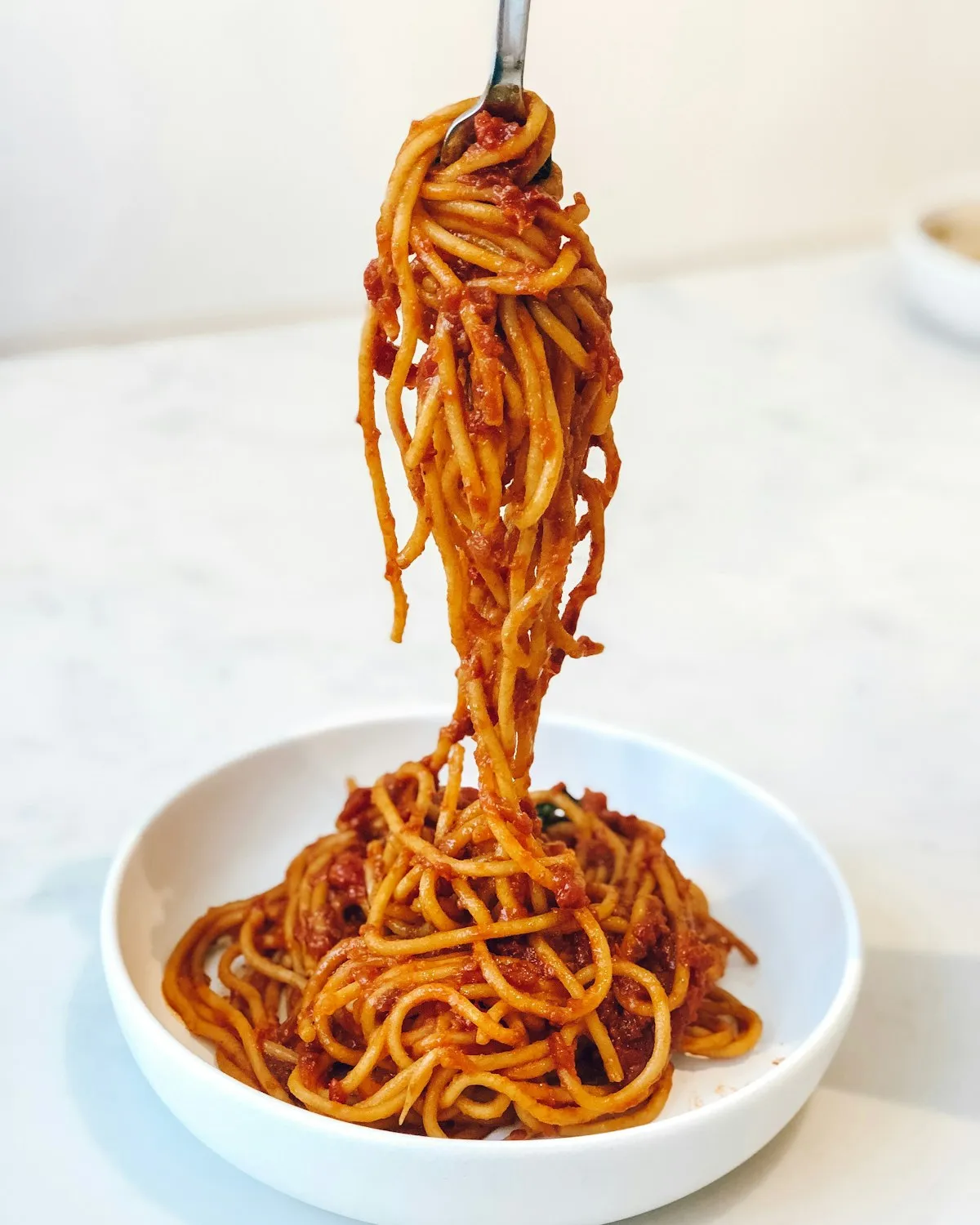
The magic of this dish lies in what I call the "liquid gold" effect. Traditionally, we boil pasta in a massive gallon of salted water and then dump all that precious starch down the drain. What a waste! When you use a one-pot method, you are essentially harnessing that starch to create a built-in emulsified sauce. As the pasta cooks, it releases amylose and amylopectin into the small amount of liquid in the pan. Instead of being diluted in a huge pot, these starches concentrate, binding the fats: like your chicken juices and butter: into a silky, glossy coating that clings to every noodle.
To get this right, focus on the sear first. Always sear your chicken in the pot before adding any liquid. This creates "fond": those beautiful browned bits stuck to the bottom. Use a splash of broth or white wine to deglaze the pan, scraping those bits up. They are pure flavor, and they’ll be absorbed directly into the pasta as it hydrates. This is why one-pot meals often taste deeper and more cohesive than their multi-pot counterparts.
When you add your pasta and liquid, the ratio is non-negotiable. Use just enough liquid to barely submerge the noodles. If you use too much, you’ll end up with a watery soup; too little, and you’ll have crunchy pasta. Treat it like a risotto. Stir frequently. This isn't just to prevent sticking; the physical agitation of the pasta helps rub more starch off the surface and into the sauce. If the pan starts looking dry before the pasta is tender, add a splash of hot broth. This gradual hydration ensures the pasta cooks evenly while the sauce reduces to a perfect, creamy consistency without the need for heavy cream.
For those looking for more quick family meals, this technique is a total game-changer. It’s a reliable way to get a balanced dinner on the table faster than you can find the remote. If you’re already a fan of our 15-minute meals, you know that efficiency is the soul of our kitchen. Much like our viral garlic butter ramen, this pasta relies on high-impact aromatics like garlic and lemon to do the heavy lifting.
Flavor Variations: From Spicy to Herbaceous
Once you master the base technique, you can play with the profile to suit your mood. If you want something with more "kick," add a teaspoon of red pepper flakes during the deglazing stage. The heat will bloom in the fat and infuse the entire dish. For a more Mediterranean vibe, toss in a handful of briny capers and sun-dried tomatoes in the last two minutes of cooking. The acidity of the capers works in harmony with the lemon to cut through the richness of the starch.
If you’re leaning into healthy dinner ideas, you can easily swap the traditional pasta for a high-protein chickpea or lentil version. Just be aware that these pastas release starch differently and often cook faster, so watch your liquid levels closely. You can also bulk out the dish with greens. I recommend adding a generous pile of baby spinach or chopped kale right at the end. The residual heat will wilt the greens in seconds, keeping them vibrant and full of nutrients without turning them into mush.
For those who prefer a richer finish, a dollop of mascarpone or a splash of heavy cream added off the heat can transform this from a bright, zesty pasta into a decadent, velvety indulgence. Just remember: always add your citrus at the very end. Cooking lemon juice for too long can cause it to lose its bright top notes and become unpleasantly bitter.
Balancing the Plate: Side Dish Pairings
Because this pasta is rich with starch and savory chicken, you want side dishes that offer high contrast. Think about acidity and crunch. A simple arugula salad with a sharp lemon-shallot vinaigrette is the perfect companion. The peppery bite of the greens and the extra hit of acid from the dressing cleanse the palate between bites of the creamy pasta.
If you have an air fryer, you can whip up some crispy broccoli or asparagus while the pasta simmers. I’m a huge fan of using air fryer recipes dinner style to handle the sides while the stove focuses on the main event. Check out our guide on one-basket crow-pleasers for inspiration on how to maximize your counter space. A quick roast of asparagus with a sprinkle of sea salt and a dash of garlic powder provides a crisp, earthy counterbalance to the soft, bright pasta.
Finally, never underestimate the power of a crusty piece of sourdough. Since we’ve worked so hard to create that beautiful starchy sauce, you’ll want something to mop up the last bits from the bottom of the bowl.
Troubleshooting Your One-Pot Pasta (FAQ)
What if my pasta is still hard but the liquid is gone?
Don't panic. This happens if your heat was too high and the liquid evaporated before the pasta could hydrate. Simply add half a cup of hot broth or water, turn the heat down to a low simmer, and cover the pot for two minutes. The steam will help finish the cooking process without scorching the bottom.
Why did my sauce curdle when I added the lemon?
Lemon is highly acidic, and if you add it to a pot that is boiling vigorously: especially if you used a lower-fat dairy like milk: it can cause the proteins to clump together. Avoid this by taking the pot off the heat entirely before stirring in your lemon juice and zest. The residual heat is plenty to incorporate the flavors without breaking the emulsion.
Can I use frozen chicken?
Technically yes, but I strongly advise against it for this 15-minute version. Frozen chicken releases a lot of moisture as it thaws in the pan, which prevents it from searing and browning. You’ll end up with gray, rubbery meat and a watery sauce. Thaw your chicken completely and pat it dry with a paper towel before it hits the hot oil.
My sauce is too thin and watery. How do I fix it?
If your pasta is perfectly cooked but the sauce looks like soup, remove the lid and increase the heat to medium-high for 60-90 seconds. Stir constantly. The rapid evaporation and the extra agitation will help the starch thicken the liquid quickly. Alternatively, stir in an extra handful of finely grated Parmesan; the cheese acts as a natural binder.
Is this dish suitable for meal prep?
One-pot pastas are best eaten fresh because the starch continues to absorb liquid as it sits. If you do have leftovers, the pasta will likely be quite dry the next day. Reheat it on the stove with a splash of broth or water to "loosen" the sauce back to its original silky state. It’s a great addition to your rotation of quick family meals, but try to finish it in one sitting for the best experience!
If you enjoyed this minimalist approach, you'll love my Lazy Girl One-Pan Cacio e Pepe. It’s another masterclass in using starch to your advantage. Now, get into the kitchen and make some magic happen( you've got fifteen minutes!)
{“@type”:”BlogPosting”,”image”:”https://cdn.marblism.com/heqiCTu097Z.webp”,”author”:{“name”:”Penny”,”@type”:”Person”},”@context”:”https://schema.org”,”headline”:”15-Minute One Pot Lemon Chicken Pasta”,”publisher”:{“logo”:{“url”:”https://cdn.marblism.com/KxroJ1kM_KA.webp”,”@type”:”ImageObject”},”name”:”Cookpedia”,”@type”:”Organization”},”description”:”Master the art of the 15-minute one-pot lemon chicken pasta. Learn the science of starch emulsification and how to create a silky, restaurant-quality sauce in one pan.”,”datePublished”:”2026-06-14″,”mainEntityOfPage”:{“@id”:”https://cookpedia.com/15-minute-one-pot-lemon-chicken-pasta”,”@type”:”WebPage”}}
{“@type”:”FAQPage”,”@context”:”https://schema.org”,”mainEntity”:[{“name”:”What if my pasta is still hard but the liquid is gone?”,”@type”:”Question”,”acceptedAnswer”:{“text”:”Add half a cup of hot broth or water, turn the heat down to a low simmer, and cover the pot for two minutes. The steam will finish the cooking process.”,”@type”:”Answer”}},{“name”:”Why did my sauce curdle when I added the lemon?”,”@type”:”Question”,”acceptedAnswer”:{“text”:”Lemon acid can curdle dairy proteins at high heat. Always remove the pot from the heat before adding lemon juice to maintain a smooth emulsion.”,”@type”:”Answer”}},{“name”:”Can I use frozen chicken?”,”@type”:”Question”,”acceptedAnswer”:{“text”:”It is not recommended for a 15-minute recipe as it prevents proper searing and browning. Thaw and pat dry for the best flavor and texture.”,”@type”:”Answer”}},{“name”:”My sauce is too thin and watery. How do I fix it?”,”@type”:”Question”,”acceptedAnswer”:{“text”:”Increase the heat and stir constantly for 60-90 seconds to evaporate excess liquid, or add more grated Parmesan to bind the sauce.”,”@type”:”Answer”}}]}