Recipe
Servings
Servings 1×
Ingredients
- Tofu
- Noodles
- Rice
- Bread
- Carrots
- Greens
- Peas
- Cucumber
- Lime
- Peanut butter
- Cream
- Butter
- Cooking oil
- Soy sauce or tamari
- Sesame
- Chili seasoning
- Salt
Method
- Let’s be honest: your Tuesday night deserves more than a sad bowl of cereal.
- Use lukewarm water and whisk slowly.
- Let the residual heat of the noodles do the work of warming the sauce.
- Use a high-quality chili oil with plenty of "crunch" (the bits at the bottom of the jar).
- Use the back of your knife to whack the cucumbers until they split, then toss them with a splash of sesame oil and salt.
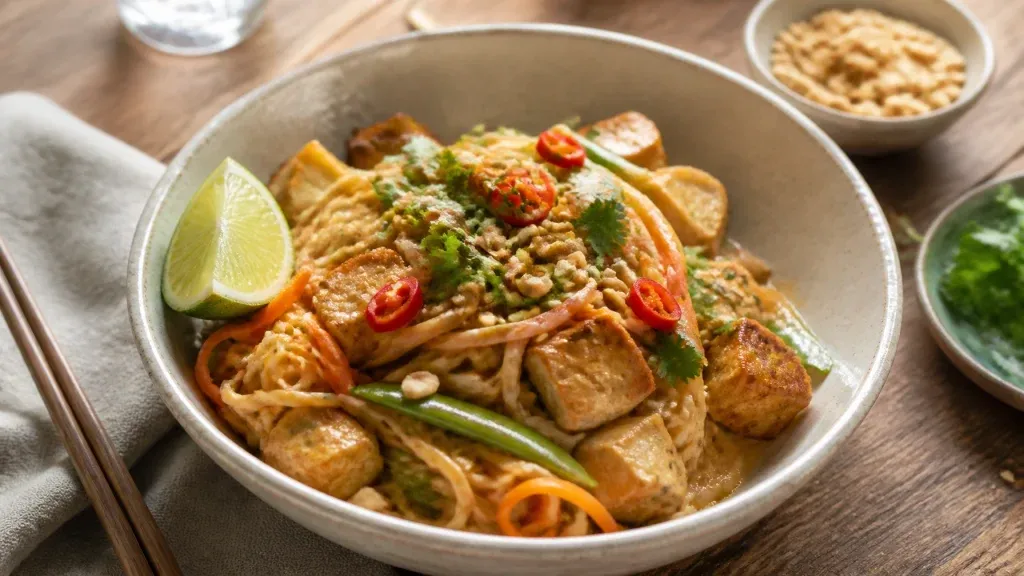
Let’s be honest: your Tuesday night deserves more than a sad bowl of cereal. You want something that hits that sweet spot between "I am a culinary genius" and "I have exactly fifteen minutes before I collapse." Enter my plant-based spicy peanut noodles. They are rich, unashamedly bold, and rely on pantry staples that are probably gathering dust in your cupboard right now. This isn't just a meal; it’s a soulful, fast-tracked ticket to flavor town that proves healthy dinner ideas don't have to be boring.
The Science of the Silk: Emulsions and Texture
Making a peanut sauce that actually clings to your noodles, rather than sliding off into a greasy pool, is a matter of chemistry. At its heart, a great peanut sauce is an oil-in-water emulsion. You are essentially trying to convince peanut fats, chili oils, and water-based seasonings like soy sauce and vinegar to get along and stay together.
Why Peanut Butter Needs a Warm Welcome
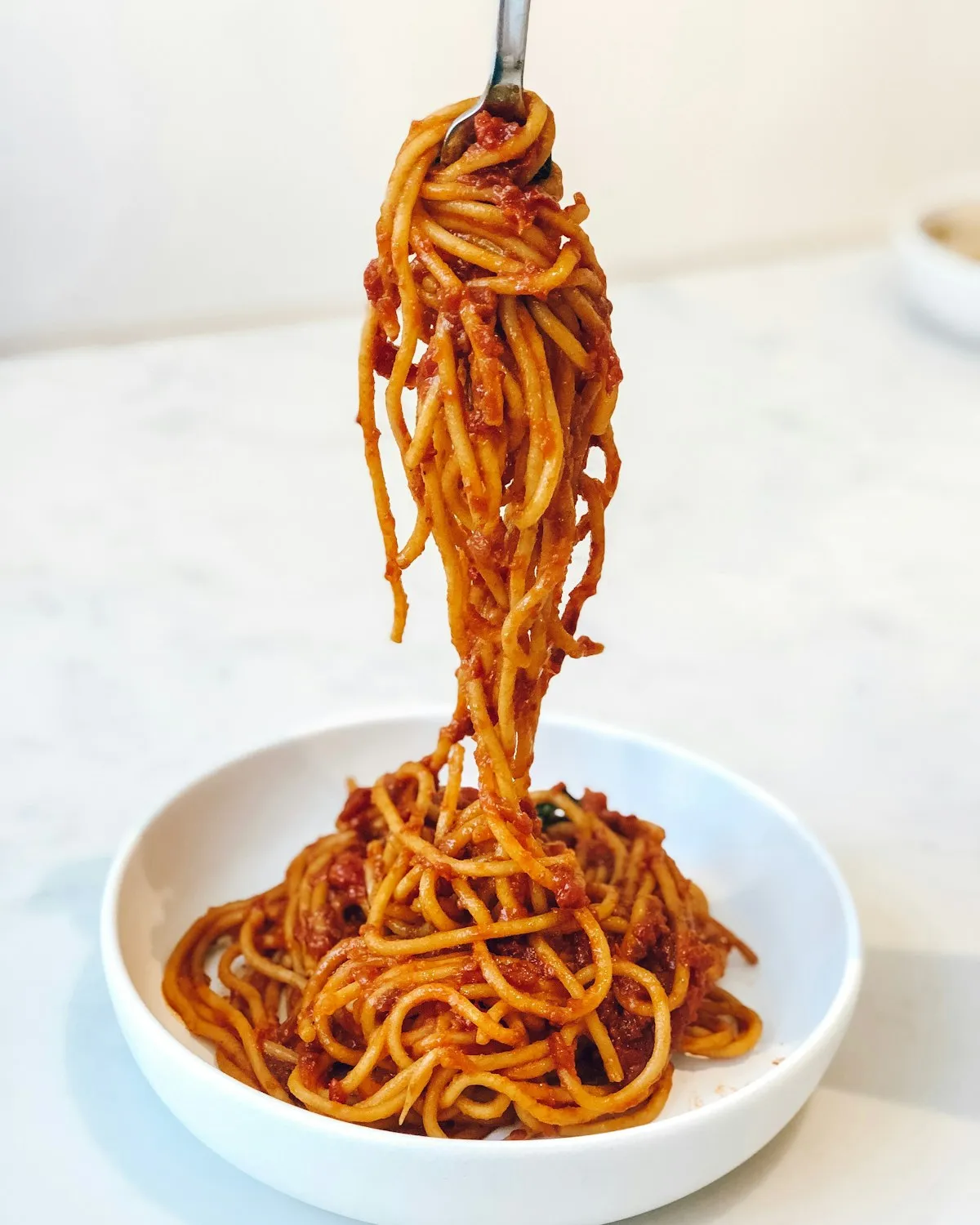
When you start building your sauce, always use warm water. Peanut butter contains natural proteins that act as emulsifiers, but they need a bit of heat to become flexible. If you dump cold water into cold peanut butter, you’ll end up with a clumpy, separated mess. Use lukewarm water and whisk slowly. You’ll notice the mixture go through an "ugly phase", it might look grainy or broken for a second, but keep going. As you whisk, you are breaking the oil into tiny droplets and trapping them within the water phase. This creates that velvet-like coating that defines the best quick family meals.
The Starch Secret
Never, ever pour your noodle cooking water entirely down the drain. That cloudy, starchy liquid is liquid gold. Because it’s packed with starch from the noodles, it acts as a secondary stabilizer for your sauce. If your noodles feel too "tacky" or thick once you’ve tossed them, add a splash of this water. The starch helps the peanut sauce bind to the surface of the noodle, ensuring every single strand is perfectly coated.
Temperature Control is Non-Negotiable
Emulsions are sensitive little things. If you toss your beautifully emulsified sauce into a screaming-hot wok over high heat, the heat will cause the proteins to tighten and the fats to separate. The result? A greasy noodle. Instead, take your pan off the heat entirely or drop it to the lowest setting before introducing the sauce. Let the residual heat of the noodles do the work of warming the sauce. This preserves the silky mouthfeel that makes this dish feel like restaurant-quality comfort food.
Breaking the Routine: Flavor Variations
The beauty of this 15-minute base is its versatility. Once you master the "why" of the sauce, you can play with the "what" of the ingredients.
The Protein Punch
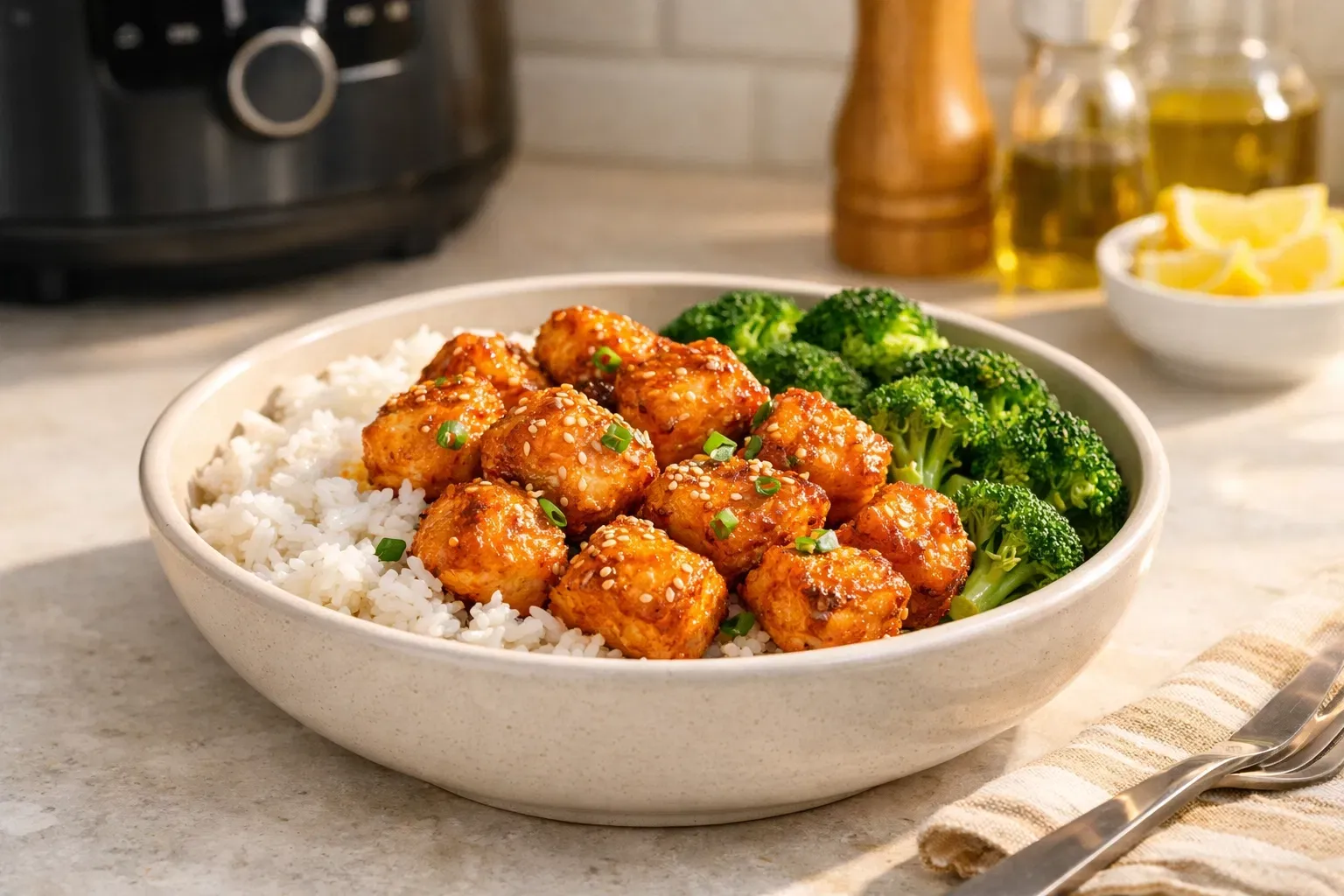
If you want to bulk this up into one of your go-to healthy dinner ideas, protein is key. I’m a huge fan of crispy tofu for this. While your noodles are boiling, you can actually use other kitchen tools to save time. For instance, some of the best air fryer recipes dinner enthusiasts know that tossing cubed tofu with a little cornstarch and air-frying it for 10 minutes creates the perfect crunchy contrast to the soft noodles.
Acidic Adjustments
Balance is everything. If your sauce feels too heavy or "cloying," it’s likely missing acid. While rice vinegar is the traditional choice, a heavy squeeze of fresh lime juice right at the end can transform the dish. The citric acid cuts right through the richness of the peanut fats, brightening the entire flavor profile. If you’re feeling adventurous, a dash of kimchi juice adds both acidity and a fermented funk that takes the complexity to a new level.
Dialing the Heat
Not everyone has a high tolerance for spice, but the heat in this dish is meant to be a slow burn, not an assault. Use a high-quality chili oil with plenty of "crunch" (the bits at the bottom of the jar). If you prefer a cleaner heat, fresh Thai bird’s eye chilies provide a sharp, immediate sting, whereas dried chili flakes offer a more earthy, background warmth.
The Perfect Plate: Side Dish Pairings
Even the most soulful bowl of noodles benefits from a little company on the plate. When looking for quick family meals, think about texture and temperature contrast.
Crisp and Cool
Because peanut noodles are dense and warm, a cold, crunchy side is the best partner. I recommend a simple smashed cucumber salad. Use the back of your knife to whack the cucumbers until they split, then toss them with a splash of sesame oil and salt. The watery crunch of the cucumber cleanses the palate between rich bites of peanut sauce.
Steamed Greens
If you want to keep things strictly plant-based and light, steamed baby bok choy or snap peas are winners. Avoid heavy dressings here; a simple steam is enough. You want the vegetable to provide a snap of freshness. You can even toss the greens directly into the noodle water for the last 60 seconds of cooking to save on washing another pot. Efficiency is the heart of a 15-minute dinner.
Common Kitchen Hurdles (FAQ)
What if my sauce is too thick?
This happens often as the noodles sit and absorb moisture. Do not reach for more peanut butter. Instead, whisk in a tablespoon of warm water or noodle water at a time. The goal is a consistency similar to heavy cream. If it looks like paste, keep thinning it out.
Can I use "natural" peanut butter?
Yes, but be warned: natural peanut butter (the kind where the oil sits on top) is much more prone to breaking because it lacks the added stabilizers found in commercial brands. If you use it, you must be extra diligent about whisking your emulsion slowly and ensuring your water is warm.
My sauce turned out grainy. What happened?
Graininess usually means the emulsion "broke." This often happens if the water was too hot or if you added the oil/chili oil too quickly. To fix it, put a fresh tablespoon of peanut butter in a separate bowl and very slowly whisk your broken sauce into it, one teaspoon at a time, until it re-emulsifies.
Can I make this gluten-free?
Absolutely. Swap the wheat noodles for wide rice noodles or even sweet potato glass noodles. Just be sure to use tamari or liquid aminos instead of traditional soy sauce. Rice noodles are more delicate, so toss them gently to avoid breaking the strands.
How do I store leftovers?
Peanut noodles are notorious for turning into a solid block in the fridge. If you plan on having leftovers, keep the sauce and noodles separate if possible. If they are already mixed, reheat them with a splash of water and a quick stir to loosen the fats back up. It won't be quite as silky as day one, but it's still miles better than a quick family meals backup plan like toast.
Is this dish healthy?
When you focus on healthy dinner ideas like this, you're getting a great balance of healthy fats, plant-based protein, and complex carbs. To maximize the health benefits, load up on the veggie variations like shaved carrots or purple cabbage to add fiber and antioxidants without increasing the prep time.
{“@type”:”BlogPosting”,”image”:[“https://cdn.marblism.com/CBBI_GAD_mR.webp”,”https://cdn.marblism.com/9fMhI78fOrX.webp”,”https://cdn.marblism.com/hWpxHrQyRAa.webp”,”https://cdn.marblism.com/1xvBpDxZ71l.webp”],”author”:{“name”:”Penny”,”@type”:”Person”},”faqPage”:{“@type”:”FAQPage”,”@context”:”https://schema.org”,”mainEntity”:[{“name”:”What if my sauce is too thick?”,”@type”:”Question”,”acceptedAnswer”:{“text”:”Whisk in a tablespoon of warm water or noodle water at a time until it reaches the consistency of heavy cream.”,”@type”:”Answer”}},{“name”:”Can I use natural peanut butter?”,”@type”:”Question”,”acceptedAnswer”:{“text”:”Yes, but it is more prone to breaking. Whisk slowly and ensure your water is warm to maintain the emulsion.”,”@type”:”Answer”}},{“name”:”How do I fix a grainy sauce?”,”@type”:”Question”,”acceptedAnswer”:{“text”:”Place a fresh tablespoon of peanut butter in a bowl and slowly whisk the broken sauce into it teaspoon by teaspoon to re-emulsify.”,”@type”:”Answer”}}]},”@context”:”https://schema.org”,”headline”:”Plant-Based 15-Minute Spicy Peanut Noodles”,”publisher”:{“logo”:{“url”:”https://cookpedia.com/logo.png”,”@type”:”ImageObject”},”name”:”Cookpedia”,”@type”:”Organization”},”description”:”Discover the science behind the perfect 15-minute plant-based spicy peanut noodles. Learn how to emulsify a silky sauce and create a soulful weeknight dinner.”,”datePublished”:”2026-06-14″,”mainEntityOfPage”:{“@id”:”https://cookpedia.com/plant-based-15-minute-spicy-peanut-noodles”,”@type”:”WebPage”}}