Recipe
Servings
Servings 1×
Ingredients
- Chicken
- Shrimp
- Chickpeas
- Pasta
- Noodles
- Bread
- Broccoli
- Asparagus
- Cucumber
- Apple
- Onion
- Garlic
- Lemon
- Cream
- Hard cheese
- Butter
- Salt
Method
- Use a light-colored stainless steel or ceramic pan for this process.
- Toss the leaves in just as the butter begins to smell nutty.
- Brown butter is 100% fat once the water is gone.
- Whisk a splash of it into your brown butter.
There is a specific kind of kitchen magic that happens when you take a single, humble ingredient: butter: and push it just past the point of melting. It transforms from a simple fat into a complex, nutty, liquid gold that can carry an entire meal on its back. This simple brown butter sage pasta with walnuts is my absolute go-to when I want something that feels like a five-star restaurant dish but requires about as much effort as boiling a pot of water. If you are looking for simple pasta recipes that deliver high-impact flavor with minimal ingredients, you’ve found the crown jewel of the genre.
The Science of the Sizzle: Mastering Brown Butter
To the uninitiated, browning butter (or beurre noisette) might sound intimidating, but it is actually a beautiful display of culinary chemistry called the Maillard reaction. When you heat butter, the water content: which is about 15% to 18%: begins to evaporate. This is the crackling and popping sound you hear in the pan. Once that water is gone, the milk solids (the proteins and sugars) sink to the bottom.
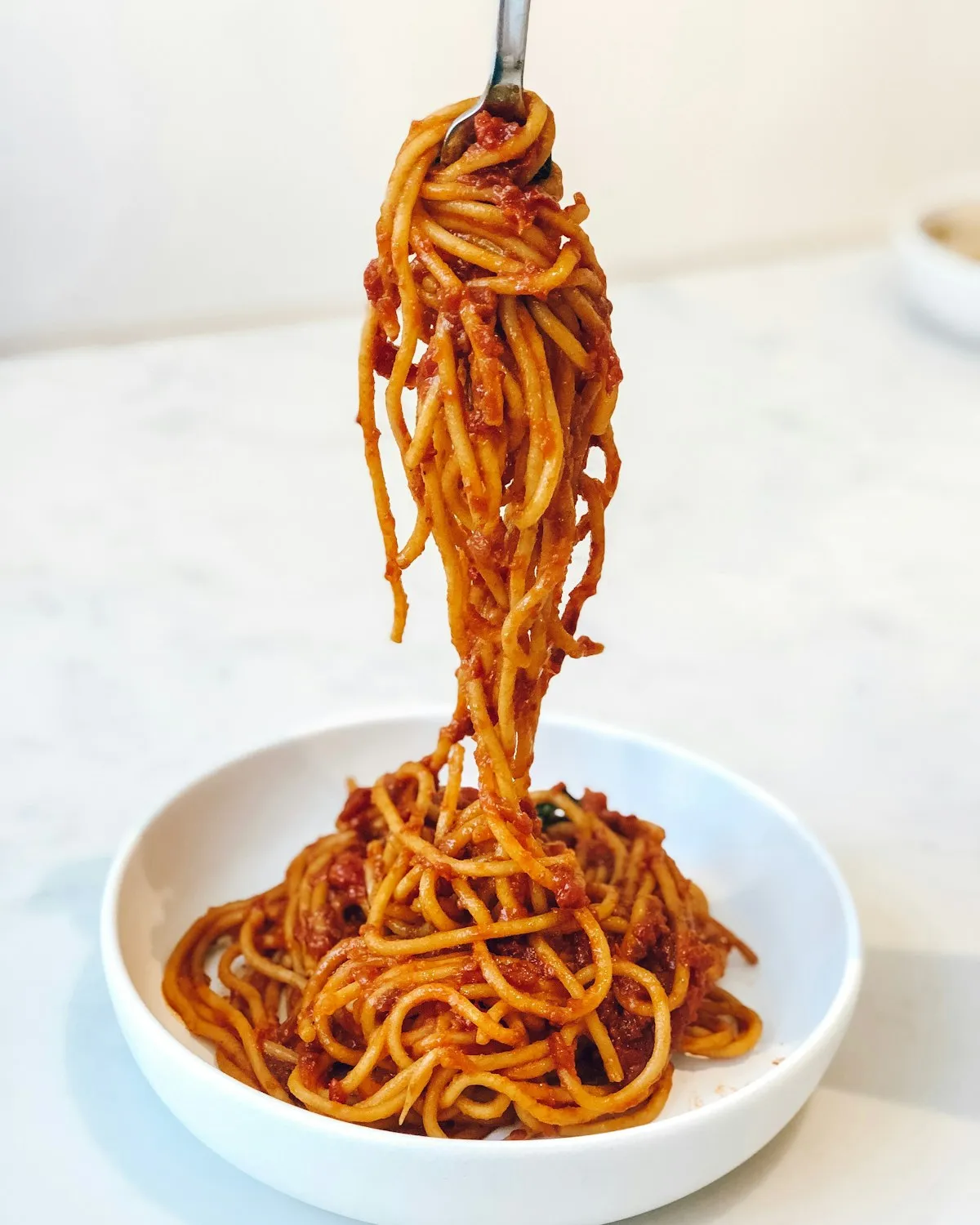
This is where the magic happens. Those milk solids begin to toast. As they reach temperatures around 285°F (140°C), they undergo the Maillard reaction, creating hundreds of new flavor compounds that taste like toasted hazelnuts and caramel. Use a light-colored stainless steel or ceramic pan for this process. Avoid dark non-stick pans because you physically cannot see the color change, and in the world of brown butter, color is your only warning sign between "perfectly nutty" and "acrid charcoal."
Watch the foam closely. As the butter bubbles, it will eventually form a thick, latte-like foam on the surface. Swirl the pan constantly. When you see tiny golden-brown specks dancing at the bottom and the aroma shifts from "melted butter" to "toasted cookies," pull the pan off the heat immediately. The residual heat will continue the cooking process, so don't wait until it looks dark chocolate brown in the pan, or it will be burnt by the time it hits your plate.
The sage and walnuts are not just garnishes; they are essential structural components of the sauce. Sage contains fat-soluble compounds that infuse directly into the butter as it browns. Toss the leaves in just as the butter begins to smell nutty. They will crisp up and lose their raw, fuzzy texture, becoming delicate herbal "chips." Similarly, walnuts contain oils that harmonize with the toasted milk solids. I recommend toasting the walnuts separately or adding them to the butter right at the end to ensure they stay crunchy and don't turn the sauce into a muddy mess.
The final secret to making this one of the best quick family meals in your rotation is the emulsion. Brown butter is 100% fat once the water is gone. If you just toss pasta in it, you’ll end up with a greasy puddle. To fix this, you must use starchy pasta water. Before draining your noodles, reserve a cup of that cloudy, salty liquid. Whisk a splash of it into your brown butter. The starch acts as a bridge, allowing the fat and water to bind together into a glossy, creamy sauce that clings to every strand of pasta.
Delicious Variations to Try
While the classic version is a minimalist masterpiece, there are plenty of ways to adapt this for different healthy dinner ideas. If you want to lean into the autumnal vibes, try adding roasted butternut squash or pumpkin. The sweetness of the squash creates a perfect counterpoint to the salty, earthy sage. Simply roast small cubes of squash until tender and toss them in at the very end.
For those who want a bit of extra protein, seared chicken breast or even sautéed shrimp work beautifully here. If you’re a fan of air fryer recipes dinner, you can quickly air-fry some chickpeas with salt and paprika to add a protein-packed crunch that mimics the texture of the walnuts.
Cheese lovers should look toward hard, salty varieties. While Parmesan is the standard, a Pecorino Romano adds a sharper tang, or a grating of aged Gouda can amplify the caramel notes of the butter. If you want to brighten the entire dish, zest a fresh lemon over the top right before serving. The citric acid cuts through the richness of the butter like a laser, making the whole dish feel much lighter.
Balancing the Richness: Side Dish Pairings
Because brown butter is undeniably rich and decadent, your side dishes need to provide a "palate reset." You want something with high acidity, bitterness, or a sharp crunch. A heavy, cream-based side would be a mistake here; instead, look toward the garden.
A simple arugula salad is the gold standard pairing. The natural peppiness of arugula and a sharp lemon vinaigrette slice through the fat of the pasta sauce, keeping your taste buds awake. Alternatively, try some charred broccolini or asparagus. I often throw these into the oven with a heavy dose of lemon juice and garlic. The slight bitterness of the charred greens balances the sweetness of the browned milk solids perfectly.
If you are following simple pasta recipes for a dinner party, serving a side of quick-pickled red onions or a cucumber salad with apple cider vinegar can provide that essential acidic pop. It keeps the meal from feeling "one-note" and ensures you can eat a full bowl without feeling weighed down by the richness.
Frequently Asked Questions
Can I use salted butter for the sauce?
You can, but I strongly advise against it if you want total control over the flavor. Salted butter has a varying amount of salt depending on the brand, and as the water evaporates during the browning process, the salt concentration becomes much more intense. Use unsalted butter and season the sauce yourself at the end. This allows you to account for the saltiness of the pasta water and any cheese you might add.
Why did my sage leaves turn black and bitter?
Timing is everything. If you add the sage leaves too early, when the butter is still full of water and boiling violently, they will boil rather than fry. If you add them too late, the butter might be too hot and scorch them instantly. Add the leaves when the butter has stopped bubbling loudly and is just starting to turn golden. They should sizzle gently and become translucent, then crisp. If they turn dark black, they are burnt: toss them and start over, as that bitterness will permeate the entire sauce.
Is there a way to make this vegan?
You can use a high-quality vegan butter substitute, but be aware that many plant-based butters lack the milk solids necessary for a true Maillard reaction. You won't get those same "specks" of toasted flavor. To compensate, I recommend adding a teaspoon of white miso paste to the vegan butter. The miso provides that fermented, savory "umami" depth that mimics the toasted milk solids of real dairy.
What if I don't have walnuts?
Walnuts are preferred for their slightly bitter skin which balances the sweet butter, but pecans or hazelnuts are fantastic alternatives. Avoid using softer nuts like cashews, as they don't provide the necessary textural contrast. Whatever nut you choose, make sure they are toasted; raw nuts will feel "rubbery" once they hit the warm sauce.
How do I reheat leftovers without it becoming a greasy mess?
When brown butter cools, it solidifies. To reheat, avoid the microwave if possible. Instead, put the pasta back in a pan with a tiny splash of water or milk over low heat. Stir constantly as the butter melts; the added liquid will help re-emulsify the sauce so it stays creamy rather than separating into oil.
{“@type”:”BlogPosting”,”image”:”https://cdn.marblism.com/cBmBoRxKQ4w.webp”,”author”:{“name”:”Penny”,”@type”:”Person”},”@context”:”https://schema.org”,”headline”:”Simple Brown Butter Sage Pasta with Walnuts”,”keywords”:”simple pasta recipes, brown butter sage pasta, quick family meals, healthy dinner ideas”,”publisher”:{“logo”:{“url”:”https://cookpedia.com/logo.png”,”@type”:”ImageObject”},”name”:”Cookpedia”,”@type”:”Organization”},”description”:”Learn the science behind perfect brown butter and how to create a simple, restaurant-quality sage and walnut pasta at home. Includes tips on emulsification and side dish pairings.”,”datePublished”:”2026-07-08″,”mainEntityOfPage”:{“@id”:”https://cookpedia.com/simple-brown-butter-sage-pasta-walnuts”,”@type”:”WebPage”}}