Recipe
Servings
Servings 1×
Cook 2026 min
Ingredients
- Tofu
- Lentils
- Chickpeas
- Pasta
- Noodles
- Asparagus
- Apple
- Onion
- Garlic
- Cream
Method
- Prepare the ingredients described in the article and heat the cooking surface or oven as directed.
- Cook the main ingredients using the heat and timing guidance in the article.
- Finish with the seasonings and garnishes named in the article, then serve.
If you’ve been treating pasta as a "guilty pleasure" or a nutritional void, I’m here to tell you that your gut microbiome actually disagrees. When done right, pasta is more than just comfort food; it’s a delivery vehicle for some of the most powerful fuel your gut bacteria crave. By focusing on a few scientific tweaks and choosing the right ingredients, these simple pasta recipes can transform your weeknight routine into a digestive powerhouse without losing that soulful, carb-heavy joy we all live for.
The Science of the "Cool" Carb: Resistant Starch and Prebiotics
The secret to making pasta a functional food lies in a bit of kitchen chemistry. Most people eat pasta fresh out of the pot, but the real magic happens when you let it cool down. When you cook pasta and then refrigerate it, the starch molecules undergo a process called retrogradation. This converts regular starch into "Type 3 Resistant Starch." Unlike normal starch, which spikes your blood sugar and gets absorbed early in the small intestine, resistant starch travels all the way to your colon.
Once it hits the colon, it becomes a feast for your beneficial bacteria. This fermentation process produces short-chain fatty acids (SCFAs), specifically butyrate. Think of butyrate as the VIP fuel for the cells lining your gut; it keeps the intestinal barrier strong and helps lower inflammation throughout your body. The best part? Reheating the pasta doesn't destroy this resistant starch. You can prep a big batch of noodles, chill them overnight, and then toss them into your favorite healthy dinner ideas the next day for a double win.
Beyond the cooling trick, your sauce should be a prebiotic party. Prebiotics are non-digestible fibers that act as "fertilizer" for your microbiome. Don't just settle for a plain marinara. Load your skillet with aromatics like garlic, onions, and leeks. These ingredients are packed with inulin and fructooligosaccharides (FOS), which are specifically known to boost the population of Bifidobacteria.
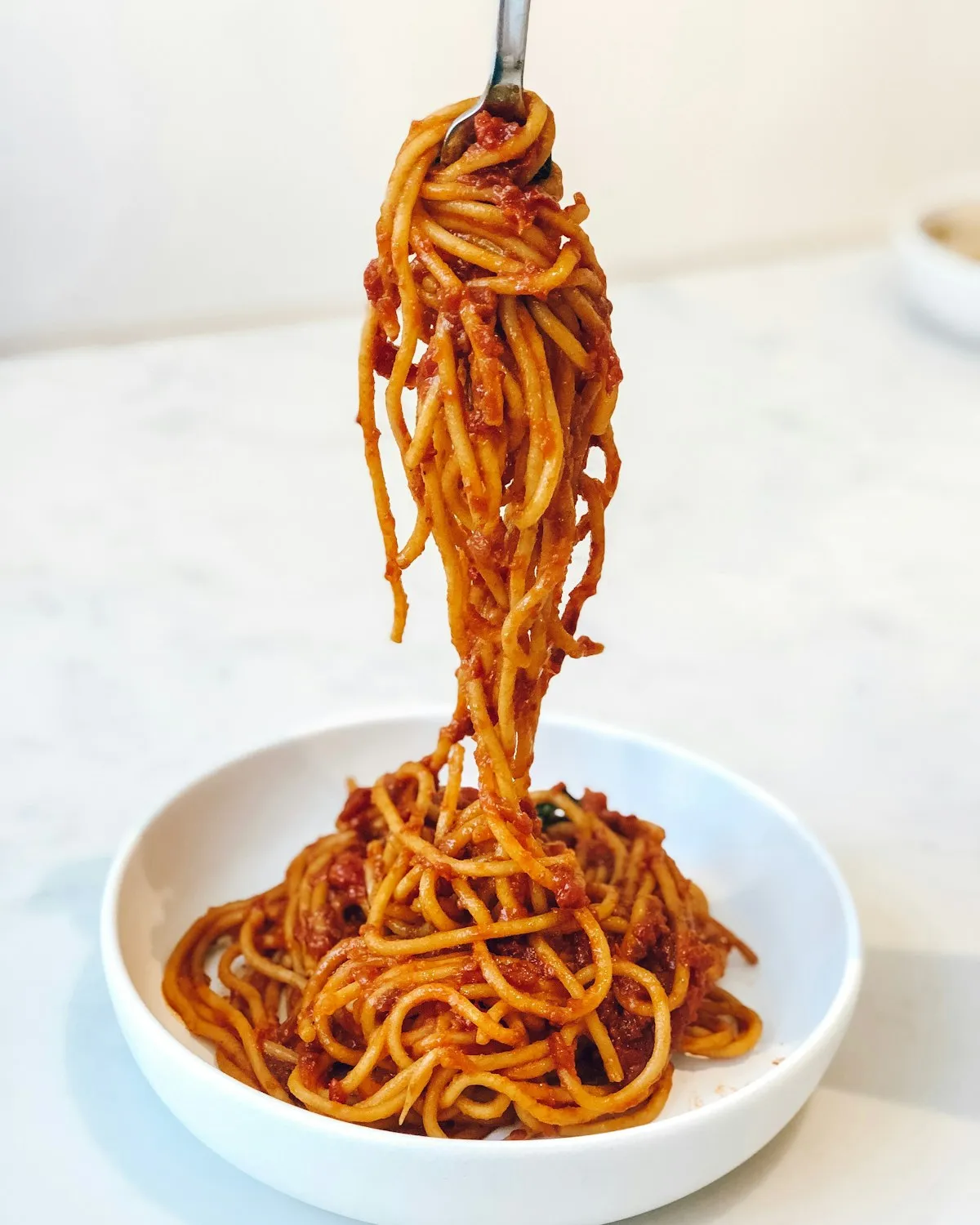
Use high-impact ingredients like artichokes, asparagus, and legumes to further increase the fiber density. If you’re looking for quick family meals that actually support long-term health, swapping standard white pasta for legume-based versions (chickpea or lentil) or whole-grain varieties significantly increases the natural prebiotic content. Avoid overcooking your pasta; aim for al dente. This firm texture keeps the glycemic index lower and ensures the starch structure remains more complex for your microbes to work on later.
Functional Variations: From Grain to Legume
The beauty of simple pasta recipes is their adaptability. If you are avoiding gluten, don't assume your gut is missing out. Legume pastas made from red lentils or chickpeas are nutritional powerhouses, offering nearly triple the fiber of traditional wheat pasta. These varieties are naturally rich in resistant starch even before the "cook-and-cool" method.
For those who prefer the soulfulness of traditional wheat, look for "ancient grains" like farro or spelt. These grains haven't been as heavily hybridized as modern wheat and often contain a more diverse profile of micronutrients and fibers. If you’re feeling adventurous, try a chilled pasta salad approach. This is the ultimate way to maximize resistant starch. Mix cold rotini with fermented ingredients like capers or even a splash of apple cider vinegar in the dressing to introduce organic acids that aid digestion.
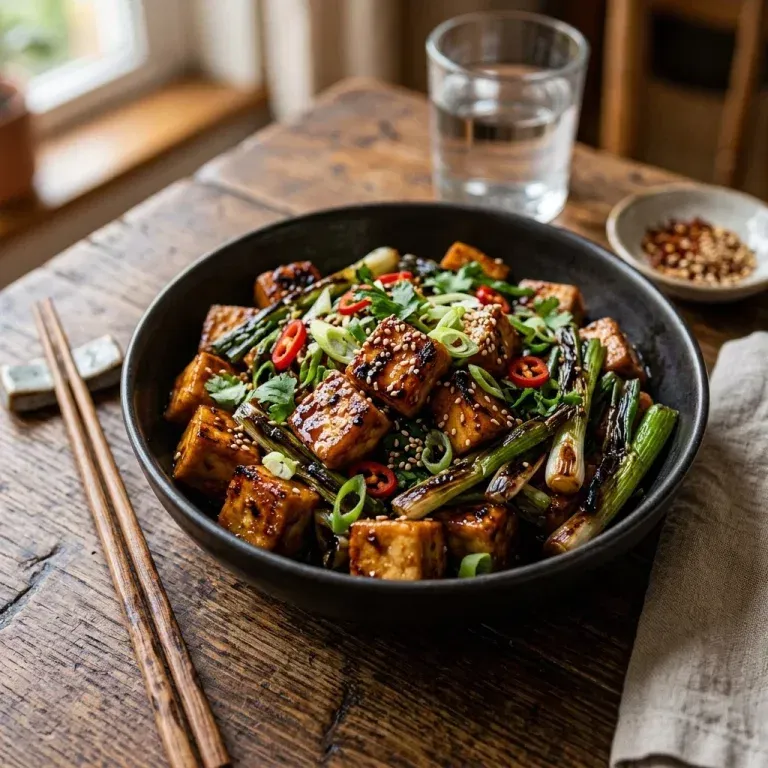
For a plant-based protein boost that feels indulgent, consider a tofu-based "creamy" sauce. By blending silken tofu with nutritional yeast and garlic, you create a prebiotic-rich coating that mimics heavy cream without the inflammatory potential of high-saturated-fat dairy. It's a great way to keep your healthy dinner ideas inclusive and light.
Side Dish Pairings: Balancing the Bowl
A bowl of pasta is only half the story. To truly optimize digestion, you need to think about balance: specifically cutting through the starch with acidity and bitterness. Pairing your pasta with a side of bitter greens like arugula or radicchio stimulates the production of digestive enzymes.
If you're looking for efficiency, look no further than air fryer recipes dinner enthusiasts swear by. You can toss some cruciferous vegetables like broccoli or Brussels sprouts in the air fryer with just a hint of lemon and sea salt. The high heat of the air fryer caramelizes the natural sugars in the vegetables, making the prebiotic fibers more palatable while adding a satisfying crunch that offsets the soft texture of the pasta. This is a staple for quick family meals because it requires zero oversight while the pasta boils.
Try pairing your Spicy Tomato Basil Linguine with a simple Air Fryer Sausage and Pepper Medley. The fermentation of the peppers and the protein from the sausage turn a simple bowl of noodles into a balanced, gut-loving feast.
Gut Health FAQ: Mastering the Microbiome
What if pasta always makes me feel bloated?
Check your cooking time and your portions. Overcooked pasta is harder for the body to process and can cause faster fermentation in the wrong part of the digestive tract. Aim for al dente. Also, ensure you are drinking plenty of water; fiber needs hydration to move through the system effectively. If you're introducing more fiber via legume pastas, do it gradually so your microbes have time to adapt.
Does reheating the pasta destroy the resistant starch?
No. Once the starch has retrograded (turned into resistant starch) through the cooling process, it remains resistant even after reheating. You can microwave it or toss it back in a pan with some olive oil. This is the ultimate hack for simple pasta recipes used in meal prepping.
Can I use white pasta, or is it always "bad"?
White pasta isn't "bad," but it is lower in fiber. You can "fix" it by using the cook-cool method and loading the sauce with prebiotic vegetables. The goal is the total composition of the meal. If your white pasta is a vehicle for a pound of sautéed garlic, onions, and spinach, your gut will still be very happy.
Are there specific pastas that are better for the "cook and cool" method?
Short, thick shapes like penne, rotini, or rigatoni tend to hold their structure better during the cooling and reheating process than thin noodles like angel hair. They also provide more surface area for the retrograded starch to form.
How do I add more prebiotics without changing the flavor too much?
Leeks and shallots are your best friends. They offer the same prebiotic benefits as onions but have a much softer, sweeter flavor profile that melts into sauces. Also, consider blending white beans into your tomato sauce; it adds creaminess and a massive hit of resistant starch without altering the "pasta night" vibe.
{“@type”:”BlogPosting”,”image”:”https://cdn.marblism.com/o7hGxcgKPrW.webp”,”author”:{“name”:”Penny”,”@type”:”Person”},”@context”:”https://schema.org”,”headline”:”15 Simple Pasta Recipes for Gut Health”,”publisher”:{“logo”:{“url”:”https://cookpedia.com/logo.png”,”@type”:”ImageObject”},”name”:”Cookpedia”,”@type”:”Organization”},”mainEntity”:{“@type”:”FAQPage”,”mainEntity”:[{“name”:”What if pasta always makes me feel bloated?”,”@type”:”Question”,”acceptedAnswer”:{“text”:”Check your cooking time and your portions. Overcooked pasta is harder for the body to process. Aim for al dente and ensure you stay hydrated to help fiber move through your system.”,”@type”:”Answer”}},{“name”:”Does reheating the pasta destroy the resistant starch?”,”@type”:”Question”,”acceptedAnswer”:{“text”:”No. Once the starch has retrograded through the cooling process, it remains resistant even after reheating.”,”@type”:”Answer”}},{“name”:”Can I use white pasta for gut health?”,”@type”:”Question”,”acceptedAnswer”:{“text”:”Yes, as long as you use the cook-cool method and pair it with prebiotic-rich vegetables like garlic, onions, and greens to balance the meal.”,”@type”:”Answer”}}]},”description”:”Discover how to transform simple pasta recipes into gut-health powerhouses using the science of resistant starch and prebiotic ingredients.”,”datePublished”:”2026-06-08″}