Recipe
Servings
Servings 1×
Ingredients
- Shrimp
- Quinoa
- Noodles
- Bread
- Carrots
- Zucchini
- Garlic
- Fresh ginger
- Lemon
- Hard cheese
- Feta
- Butter
- Cooking oil
- Soy sauce or tamari
- Sesame
- Black pepper
Method
- Prepare the ingredients described in the article and heat the cooking surface or oven as directed.
- Cook the main ingredients using the heat and timing guidance in the article.
- Finish with the seasonings and garnishes named in the article, then serve.
You know those nights when you stare into the fridge like it’s a magic portal that might eventually produce a five-course meal? Usually, it just stares back with half a lemon and a wilted carrot. But if you have a bag of shrimp and a couple of zucchinis, you’re exactly 15 minutes away from one of the best quick family meals you’ve ever served. We’re talking snappy, butter-drenched shrimp and zucchini that actually has a bite to it, not that soggy mush that haunts your vegetable-related nightmares.
The Science of High-Heat Convection
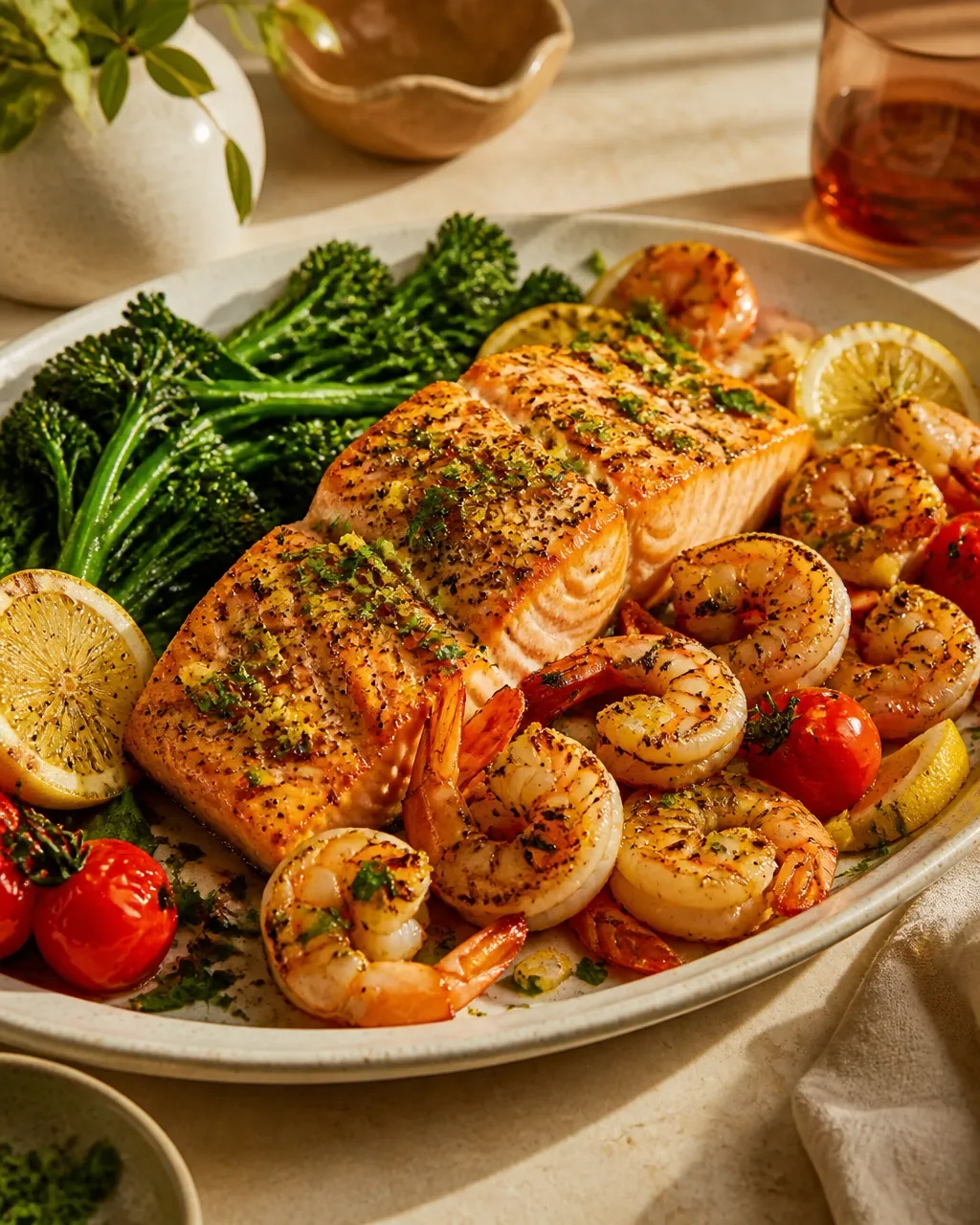
If you want to master healthy dinner ideas, you have to understand why your oven is your best friend, and your worst enemy. Most people bake their vegetables at low temperatures, which essentially boils them in their own juices. To get that restaurant-quality snap, you need to crank the heat. We’re talking 425°F or higher. At this temperature, the water on the surface of your zucchini evaporates almost instantly. This allows the Maillard reaction, that glorious chemical dance between amino acids and reducing sugars, to happen, creating those charred, caramelized edges that taste like heaven.
Space is your non-negotiable requirement here. Use a large sheet pan and do not crowd the ingredients. If your shrimp are touching, they are steaming, not roasting. Steamed shrimp are rubbery and sad; roasted shrimp are plump and succulent. Think of each shrimp as an individual that needs its own personal bubble.
Convection is the secret weapon. If your oven has a fan setting, turn it on. The moving air strips away the "cold" moisture envelope surrounding the food, allowing the heat to penetrate faster. This is why many people look for air fryer recipes dinner alternatives; an air fryer is essentially just a very powerful, compact convection oven. You can get similar results on a sheet pan if you manage your surface area correctly.
Avoid using a glass baking dish. Glass is an insulator and won't get hot enough fast enough to sear the bottom of your zucchini. Use a heavy-duty rimmed metal baking sheet. The metal conducts heat directly into the food, ensuring the underside gets just as much love as the top. Also, pat your shrimp completely dry with paper towels before you toss them in butter. Moisture is the enemy of the sear. If they’re wet, they won’t brown; they’ll just sit in a pool of gray liquid.
Texture Control and Timing
Zucchini and shrimp are a match made in heaven because they both cook incredibly fast, but they don't cook at the exact same rate. To keep your zucchini from becoming a swampy mess, slice it into thick "half-moons." This thickness provides enough structural integrity to withstand the high heat while the center softens just enough.
Check the color of your shrimp as the primary indicator of doneness. As soon as they turn opaque and curl into a "C" shape, they are done. If they curl into an "O" shape, you’ve gone too far, and they’ll be as tough as a pencil eraser. In a 425°F oven, this usually happens in about 6 to 8 minutes. If your zucchini needs a little more time to get those charred edges, roast it for 5 minutes solo before adding the shrimp to the pan. This sequential roasting ensures everything hits its peak texture at the exact same moment.
Flavor Variations for Every Palate
While the classic garlic butter combo is a titan among quick family meals, you can easily pivot based on what's in your pantry. If you’re a fan of our garlic butter ramen hack, you already know that a little soy sauce and ginger can transform a butter sauce into something Asian-inspired. Just swap the parsley for cilantro and add a dash of sesame oil after roasting.
For those who crave heat, toss in a tablespoon of harissa paste or a generous sprinkle of red pepper flakes before the pan goes into the oven. The high heat will toast the spices and bloom their oils, deepening the flavor profile significantly. Another great variation is the "Mediterranean Punch." Toss the zucchini and shrimp with dried oregano and lemon zest, then finish the dish with a crumble of feta cheese and some kalamata olives. The acidity of the lemon and the saltiness of the feta cut through the richness of the butter perfectly.
If you want a bit of crunch without the carbs, sprinkle some grated Parmesan cheese over the tray during the last two minutes of roasting. The cheese will melt and form a lacy, crisp crust around the shrimp that is absolutely addictive.
Perfect Side Dish Pairings
Even though this is one of the best standalone healthy dinner ideas, you might want something to soak up that liquid gold garlic butter left on the pan. A bed of fluffy quinoa or couscous is a fantastic high-protein option that stays light. If you aren't counting carbs, a thick slice of toasted sourdough is mandatory for mopping up the pan drippings.
For a more refreshing contrast, pair the hot shrimp with a cold arugula salad dressed in nothing but lemon and olive oil. The peppery bite of the arugula balances the savory garlic. Alternatively, you can serve this over a pile of "zoodles" (zucchini noodles) if you want to lean fully into the vegetable theme, though the texture of roasted zucchini chunks usually provides enough satisfaction on its own.
Frequently Asked Questions
Can I use frozen shrimp for this?
Yes, but you must thaw them completely first. If you put frozen shrimp on a hot sheet pan, they will release a massive amount of water as they thaw, which will steam your zucchini and ruin the texture. Thaw them in a bowl of cold water, then pat them bone-dry before seasoning.
My zucchini always ends up soggy. What am I doing wrong?
You are likely either overcrowding the pan or not using high enough heat. When zucchini pieces are too close together, the steam they release gets trapped between them. Give them space! Also, ensure your oven is fully preheated. Don't put the pan in until the thermometer actually hits 425°F.
Should I peel the shrimp or leave the tails on?
For a 15-minute meal, convenience is king. Buy "peeled and deveined" shrimp to save time. Leaving the tails on is purely aesthetic; it looks nicer on the plate but can be a bit of a hassle to eat. If you’re cooking for kids, go tail-off to make it a seamless experience.
Can I do this in an air fryer?
Absolutely. If you're looking for air fryer recipes dinner style, just toss everything together and air fry at 400°F for about 8-10 minutes, shaking the basket halfway through. The smaller space means even faster cooking, so keep a close eye on the shrimp so they don't overcook.
How do I store and reheat leftovers?
Shrimp is notoriously difficult to reheat without turning it into rubber. If you have leftovers, store them in an airtight container for up to two days. To reheat, avoid the microwave at all costs. Instead, toss them back into a hot skillet for 60 seconds or eat them cold over a salad. Cold garlic butter shrimp is surprisingly delicious!
Is it okay to use salted butter?
Use unsalted butter if you want total control over the seasoning. If you only have salted butter, just go easy on the extra salt you sprinkle over the tray. You can always add more salt at the end, but you can’t take it away.