Recipe
Servings
Servings 1×
Ingredients
- Chicken
- Rice
- Greek yogurt
- Tortillas
- Cauliflower
- Greens
- Corn
- Avocado
- Apple
- Onion
- Lime
- Honey
- Cream
- Cooking oil
- Chili seasoning
- Salt
- Black pepper
Method
- Let’s be honest: your weeknight sanity often hinges on how many dishes you have to scrub after the kids are finally asleep.
- Pat your chicken strips completely dry with paper towels before you even think about adding oil or seasoning.
- Use a large, heavy-duty rimmed baking sheet: preferably one that isn't warped: to allow for maximum air circulation.
- Use an oil with a high smoke point, like avocado oil or grapeseed oil.
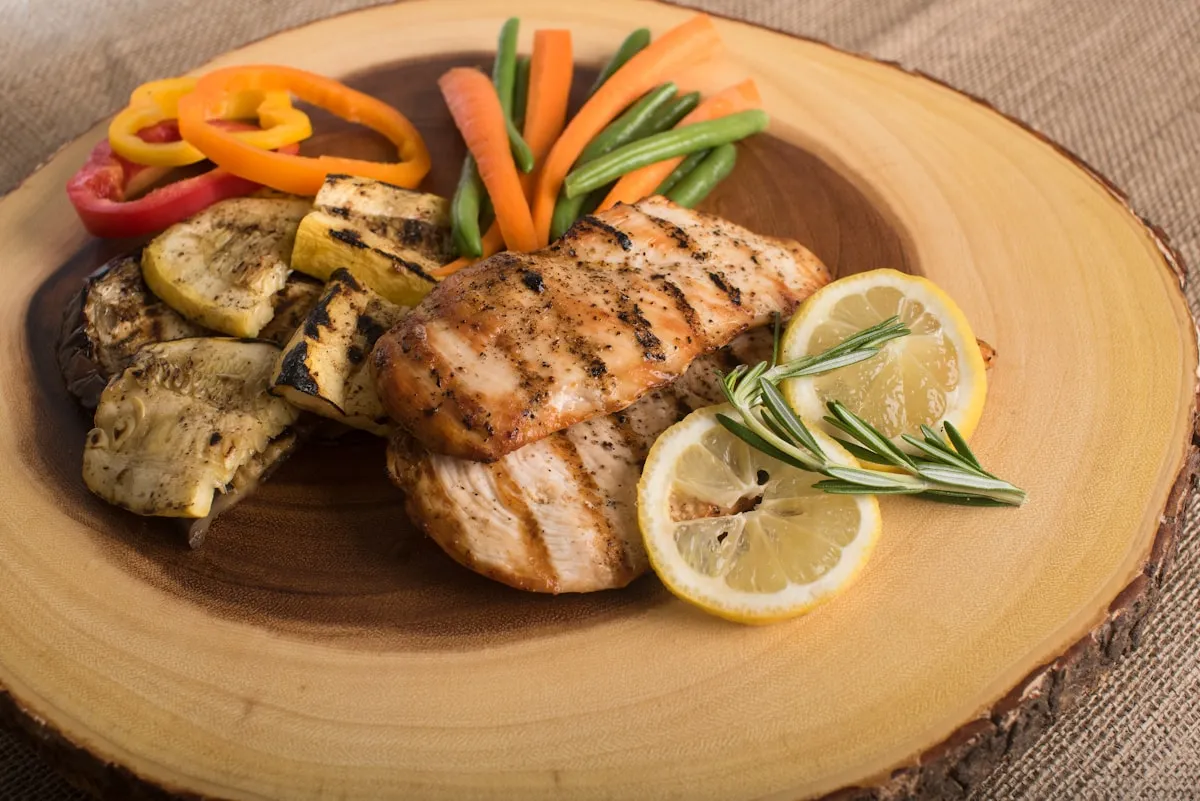
Let’s be honest: your weeknight sanity often hinges on how many dishes you have to scrub after the kids are finally asleep. I’ve been there, staring at a mountain of pans, wondering if cereal is a socially acceptable dinner for the third time this week. This is why I swear by the sheet pan. These fajitas are the holy grail of quick family meals because they deliver high-impact flavor with minimal cleanup. You get the sizzle of a restaurant without the grease-splattered stovetop, and the science behind it is actually pretty cool.
The Chemistry of the Crunch: Maillard and Moisture
If you want your fajitas to taste like something other than boiled poultry, you have to respect the Maillard reaction. This is the chemical dance between amino acids and reducing sugars that happens when food hits high heat. In your oven, this reaction is what creates those deep, savory, "roasted" flavors and that beautiful golden-brown crust on the chicken. However, the Maillard reaction has a mortal enemy: water.
To get that perfect char, you must eliminate surface moisture. Pat your chicken strips completely dry with paper towels before you even think about adding oil or seasoning. If the chicken is wet, the oven’s energy is wasted evaporating that water (which happens at 212°F) instead of browning the meat (which requires temperatures above 285°F). You’ll end up with "sad, gray chicken" instead of the vibrant, caramelized strips you see in my blog photos.
The same rule applies to your vegetables. Onions and peppers are packed with water. If you crowd the pan, that moisture gets trapped, creating a steam sauna that turns your peppers into mush. Use a large, heavy-duty rimmed baking sheet: preferably one that isn't warped: to allow for maximum air circulation. Each piece of chicken and vegetable should have its own "personal space." If they’re touching, they’re steaming. Space them out to ensure the dry, hot air can circulate around every edge, evaporating moisture instantly and triggering that glorious browning.
Physics also plays a role in your choice of sheet pan. Thicker, professional-grade aluminum pans conduct heat more evenly than thin, decorative ones. If you have an air fryer, you might find that air fryer recipes dinner options use similar principles of high-velocity hot air to achieve this browning even faster. But for a full family meal, the broad surface area of a standard sheet pan is your best friend.
Balancing the Heat: Seasoning and Smoke Points
When you’re looking for healthy dinner ideas, it’s tempting to skimp on the oil, but I’m telling you now: don't. Oil is the heat-transfer medium. It fills the microscopic gaps between the food and the pan, ensuring more surface area is in contact with the heat. It also helps the spices adhere. Use an oil with a high smoke point, like avocado oil or grapeseed oil. Avoid extra virgin olive oil for this high-heat application; its low smoke point means it will break down and taste bitter before your chicken actually browns.
Speaking of spices, your dry rub isn't just for flavor; it’s a texture agent. Salt is a desiccant: it draws moisture out. If you salt your meat too early and let it sit, you’ll end up with a pool of liquid on your pan. Salt your fajita mix immediately before it goes into the oven. The chili powder and cumin provide a "dusty" surface area that catches the heat and helps create those charred little bits we all love.
If you want to take the science a step further, add a tiny pinch of baking soda to your spice mix. This raises the pH level of the chicken’s surface, which significantly accelerates the Maillard reaction. It’s a professional trick that guarantees a better crust in a shorter amount of time, making this one of the most efficient quick family meals in your repertoire.
Flavor Variations: Acid, Fat, and Heat
The beauty of the sheet pan method is how easily you can pivot based on what's in your fridge. While the classic bell pepper and onion combo is a staple, you should experiment with ingredients that offer different structural integrity. For instance, poblano peppers offer a deeper, smokier heat than bell peppers and hold their shape better under high heat.
When thinking about flavor balance, remember the four pillars: salt, fat, acid, and heat. The chicken and oil provide the salt and fat, while the spices bring the heat. The missing link is often acid. I always finish my fajitas with a massive squeeze of fresh lime juice the second they come out of the oven. The acid cuts through the richness of the roasted fat and brightens the earthiness of the cumin.
If you’re leaning into more healthy dinner ideas, try a "Zesty Lime and Cilantro" variation. Instead of heavy cumin, use lime zest and coriander. The zest contains essential oils that are heat-stable, meaning the flavor won't disappear in the oven. For a sweeter, "Al Pastor" inspired twist, toss in some fresh pineapple chunks. The sugars in the pineapple will caramelize even faster than the onions, creating incredible charred edges that pair beautifully with the savory chicken.
Perfect Pairings: Beyond the Tortilla
While flour or corn tortillas are the traditional vehicle for fajitas, I often suggest looking for pairings that provide a temperature or texture contrast. Since the fajitas are hot and charred, something cool and creamy is non-negotiable. A dollop of Greek yogurt (a great high-protein swap for sour cream) or a chunky guacamole provides the fat needed to carry the spice flavors across your palate.
For a low-carb alternative, serve the fajita mixture over a bed of cilantro-lime cauliflower rice. The rice acts as a sponge for all the flavorful juices that collect on the sheet pan: don't let those go to waste! Scrape every bit of that "fond" (the browned bits on the pan) into your serving bowl. If you're looking for more inspiration for easy, one-pan comfort, check out this kielbasa and pierogi roast which uses similar high-heat roasting techniques to achieve maximum flavor.
Side dishes should focus on freshness. A simple slaw made with shredded cabbage, apple cider vinegar, and a touch of honey provides a crunch that offsets the softness of the roasted peppers. The vinegar also helps cleanse the palate between bites, making every forkful taste as vibrant as the first.
FAQ: Troubleshooting Your Sheet Pan
Why is my chicken tough and rubbery?
This usually happens because of "over-crowding syndrome." If the pan is too full, the chicken boils in its own juices. By the time that juice evaporates and the chicken actually starts to brown, the interior is severely overcooked. Use two pans if you have to! Also, ensure you are slicing your chicken across the grain. Look for the parallel lines of muscle fiber and cut perpendicular to them. This shortens the fibers, making the meat much easier to chew.
How do I prevent the onions from burning while the chicken is still raw?
Slice your onions and peppers into thicker strips (about half an inch). If you mince them or slice them paper-thin, they will incinerate before the chicken reaches its safe internal temperature. The goal is to have the vegetables reach a state of "crisp-tender": charred on the outside but still retaining a bit of bite in the center.
Can I use frozen vegetables?
I strongly advise against it for this specific recipe. Frozen vegetables have had their cell walls ruptured by ice crystals, which causes them to release a massive amount of water as they thaw. Putting frozen peppers on a sheet pan is a guaranteed way to end up with soggy, watery fajitas. Stick to fresh produce for that essential snap and char.
Can I make this in an air fryer?
Absolutely! Many air fryer recipes dinner enthusiasts love this approach. You'll need to work in batches to avoid crowding the basket, but the convection power of an air fryer is incredible for achieving Maillard browning. Just keep an eye on it, as the smaller space means things can go from "charred" to "burnt" in a matter of seconds.
What if my spices keep burning?
If your oven runs hot, the dried herbs in some taco seasonings can scorch. To prevent this, toss your ingredients in the oil first, then add the spices. The oil acts as a protective barrier, slowing down the rate at which the dry spices heat up.