Recipe
Servings
Servings 1×
Ingredients
- Chicken
- Quinoa
- Fettuccine
- Potatoes
- Broccoli
- Asparagus
- Lemon
- Honey
- Mustard
- Cream
- Cooking oil
- Black pepper
Method
- Prepare the ingredients described in the article and heat the cooking surface or oven as directed.
- Cook the main ingredients using the heat and timing guidance in the article.
- Finish with the seasonings and garnishes named in the article, then serve.
We have all been there: it is Tuesday night, you are tired, and the last thing you want is a complicated kitchen project. That is where my favorite weeknight savior comes in. These baked honey mustard chicken thighs are the ultimate solution for anyone seeking healthy dinner ideas that actually taste like they took hours to prepare. You get that perfect balance of sweet, tangy, and savory with almost zero effort, making it a staple in my rotation for quick family meals.
The Science of the Perfect Caramelized Crust
Achieving that restaurant-quality glaze at home is not magic; it is chemistry. To get a truly incredible result, you need to understand the Maillard reaction. This is the chemical reaction between amino acids and reducing sugars that gives browned food its distinctive flavor. Because honey is packed with glucose and fructose, it is the perfect fuel for this reaction. However, sugar burns quickly, so you must balance it with fat and acid to prevent a bitter, charred mess.
Use a ratio of three parts oil to one part mustard and one part honey. This specific balance ensures the oil can distribute heat evenly across the surface of the chicken, while the mustard’s acidity gently tenderizes the meat. If you use too much honey, the glaze will burn before the chicken is cooked through. If you use too much mustard, the acid will "cook" the proteins too quickly, leading to a chalky texture.
Always pat your chicken thighs bone-dry with a paper towel before applying any marinade. Moisture is the enemy of the Maillard reaction. If the surface of the meat is wet, the heat of the oven goes into evaporating that water rather than browning the skin. You end up with steamed, grey chicken instead of a crispy, golden masterpiece.
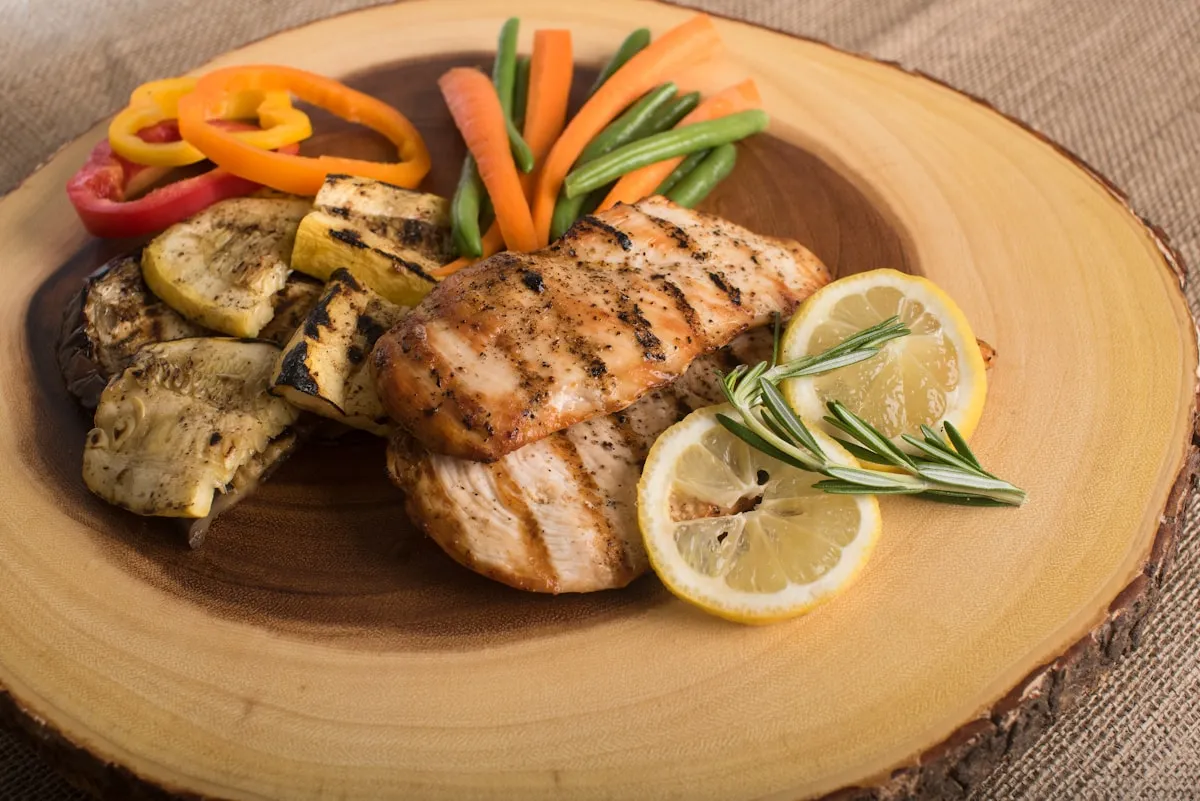
Emulsify your sauce thoroughly. Don't just stir the honey and mustard; whisk them vigorously with the oil until the mixture is thick and opaque. This ensures that every inch of the chicken is coated in a protective layer of fat and flavor. For the best results, let the chicken sit in this mixture for at least two hours, but avoid going over four. The vinegar in the mustard is powerful; leave it too long, and it will break down the muscle fibers to the point of mushiness.
Flavor Variations to Suit Your Mood
Once you master the basic technique, you can start tweaking the profile to fit your cravings. If you prefer a bit of heat, whisk in a teaspoon of red pepper flakes or a dash of sriracha into the base. The capsaicin in the peppers plays beautifully against the sweetness of the honey, creating a "hot honey" effect that is incredibly addictive.
For an earthy, aromatic twist, add woody herbs like rosemary or thyme. Avoid using soft herbs like parsley or cilantro during the baking process, as the high heat will turn them bitter and black. Stick to the sturdy herbs that can stand up to a 400°F oven. You can also swap the traditional yellow mustard for a coarse-grained Dijon. The mustard seeds provide little "pops" of texture and a much deeper, more complex pungency that elevates the dish from a simple weeknight meal to something guest-worthy.
If you are looking for even faster alternatives, this marinade works exceptionally well for air fryer recipes dinner. The intense convection heat of an air fryer accelerates the caramelization, giving you a crunchier exterior in about half the time. Just be sure to monitor the chicken closely, as the sugars in the honey can transition from "caramelized" to "burnt" very quickly in that environment.
Perfect Side Dish Pairings for Balance
A rich, glazed protein needs a side dish that provides contrast. Since honey mustard is quite bold, you want something with high acidity or a clean, neutral base to reset your palate.
A bright, crisp arugula salad is my top recommendation. The natural bitterness of the greens and a sharp lemon vinaigrette cut right through the sweetness of the glaze. You can find several great options in our healthy section that pair beautifully with chicken.
For a more filling option, consider a light grain like quinoa or a simple couscous pilaf. These grains act like a sponge, soaking up any extra honey mustard juices that escape during carving. Avoid heavy, cream-based sides like fettuccine alfredo or mashed potatoes with heavy gravy; the richness of the chicken is already high, and adding more heavy fats can make the meal feel weighed down. Roasted green vegetables, like asparagus or charred broccoli, are also excellent. The slight char on the vegetables echoes the caramelized notes of the chicken, creating a cohesive flavor profile across the whole plate.
Frequently Asked Questions
Why did my honey mustard glaze turn black?
This usually happens because the oven was too hot or there was too much honey in the mix. Honey starts to caramelize at 320°F and can burn quickly once you hit 400°F. If you notice the chicken browning too fast, tent a piece of aluminum foil over the pan. This allows the heat to continue cooking the meat while protecting the delicate sugars on the surface from direct radiant heat.
Can I use chicken breasts instead of thighs?
You can, but I don't recommend it for this specific preparation. Chicken breasts are very lean and lack the connective tissue and fat found in chicken thighs. Thighs are much more forgiving; they stay juicy even if you overcook them by a few minutes, which is essential when you are waiting for a glaze to thicken and brown. If you must use breasts, reduce the cooking time significantly and use a meat thermometer to ensure they don't dry out.
Is it safe to use the leftover marinade as a sauce?
Never use marinade that has touched raw chicken as a finishing sauce unless you boil it first. To make a safe glaze from the leftovers, pour the liquid into a small saucepan and bring it to a rolling boil for at least three full minutes. This kills any bacteria while also reducing the liquid into a thick, syrupy consistency that is perfect for drizzling over the finished dish.
How do I get the skin extra crispy?
The secret to crispy skin is a dry surface and high heat. After marinating, scrape off any excess thick clumps of mustard and pat the skin side again. Start the baking process at a high temperature (around 425°F) for the first ten minutes to blast the skin, then drop the temperature to 375°F to finish cooking the meat through. This "high-low" technique mimics the professional sear-and-roast method.
Can I prepare this meal in advance?
Absolutely. You can whisk the marinade together up to a week in advance and keep it in a sealed jar in the fridge. For the chicken, you can start the marinating process in the morning before you head to work. By the time you get home, the flavors will have penetrated deep into the meat, and you can have dinner on the table in under 30 minutes. It is a lifesaver for those looking for quick family meals during a busy work week.
{“@type”:”BlogPosting”,”image”:”https://cdn.marblism.com/k0yHSCNyqdg.webp”,”author”:{“name”:”Penny”,”@type”:”Person”},”@context”:”https://schema.org”,”headline”:”Healthy Weeknight Dinners: Baked Honey Mustard Chicken Thighs”,”publisher”:{“logo”:{“url”:”https://cookpedia.com/logo.png”,”@type”:”ImageObject”},”name”:”Cookpedia”,”@type”:”Organization”},”description”:”Discover the science behind the perfect honey mustard chicken thighs. Learn how to achieve a caramelized crust and perfectly balanced flavor for a quick, healthy weeknight dinner.”,”datePublished”:”2026-07-22″,”mainEntityOfPage”:{“@id”:”https://cookpedia.com/baked-honey-mustard-chicken-thighs”,”@type”:”WebPage”}}