Recipe
Servings
Servings 1×
Ingredients
- Chicken
- Potatoes
- Cauliflower
- Garlic
- Lemon
- Cooking oil
- Salt
- Black pepper
Method
- Use paper towels and be thorough.
- Use a large rimmed sheet pan and ensure every potato cube and chicken thigh has its own little "personal bubble" of hot air.
- Use kosher salt for a more controlled seasoning experience: its larger grains are easier to pinch and distribute evenly.
- Let the bird rest for at least 10 minutes before carving; this allows the muscle fibers to relax and reabsorb those precious juices.
There is something undeniably magical about the scent of garlic and lemon wafting through your home on a Tuesday evening. It’s the kind of aroma that makes you feel like you actually have your life together, even if your inbox is a disaster zone. Finding healthy dinner ideas that don't involve a mountain of dishes or a degree in culinary arts is the holy grail of home cooking. This roast chicken and potato dish is my go-to because it hits that perfect sweet spot of minimal effort and maximum flavor. It's one of those quick family meals that tastes like you spent hours hovering over the stove when, in reality, the oven did all the heavy lifting for you.
The Science of the Perfect Roast
Getting that elusive crispy skin and fluffy-on-the-inside potato requires more than just luck; it requires a little bit of kitchen chemistry. The star of the show here is the Maillard reaction. This is the chemical reaction between amino acids and reducing sugars that gives browned food its distinctive, savory flavor. To get this reaction firing on all cylinders, you need high heat and, most importantly, a dry surface.
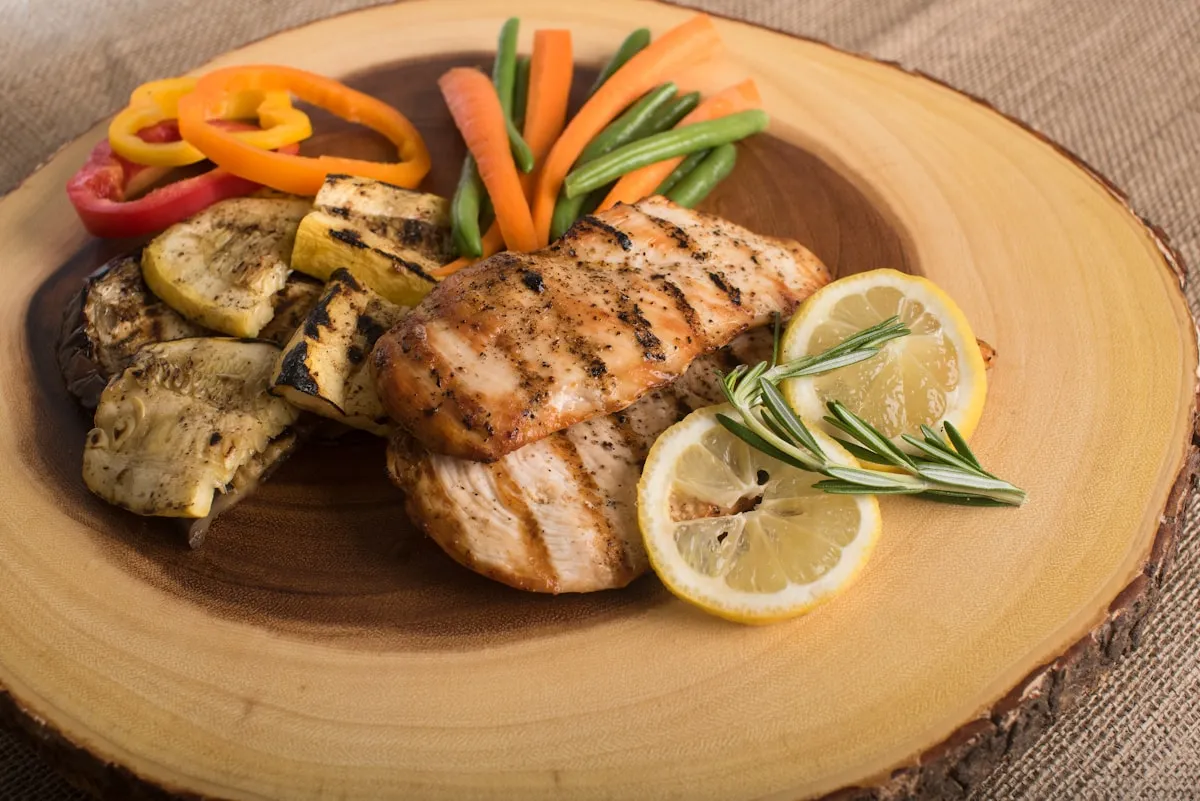
Pat your chicken dry. This is a non-negotiable step. If the skin is wet, the oven’s energy goes into evaporating that moisture instead of browning the skin. You’ll end up with sad, rubbery gray meat instead of the golden, crackling skin you deserve. Use paper towels and be thorough. If you have the time, let the chicken sit uncovered in the fridge for an hour before cooking to dry out the skin even further.
Respect the space on your pan. Overcrowding is the enemy of crispiness. When you pack chicken and potatoes too tightly together, they release steam. That steam gets trapped, and instead of roasting, your dinner starts poaching. Use a large rimmed sheet pan and ensure every potato cube and chicken thigh has its own little "personal bubble" of hot air. This airflow is what creates those jagged, crunchy edges on the potatoes that everyone fights over at the table.
Harness the power of acid. Lemon isn't just for garnish; it’s a functional ingredient. The citric acid in the lemon juice helps to tenderize the muscle fibers of the chicken while cutting through the richness of the rendered chicken fat. When you roast the lemons whole or in wedges alongside the meat, the sugars inside the fruit caramelize, mellowing the sharp tartness into a complex, jammy sweetness.
Salt early and often. Salt doesn't just add flavor; it changes the structure of the proteins. When you salt chicken ahead of time, it draws moisture out, dissolves into a brine, and then gets reabsorbed into the meat. This seasons the bird all the way to the bone and helps it retain its juices during the high-heat roast. Use kosher salt for a more controlled seasoning experience: its larger grains are easier to pinch and distribute evenly.
Mastering Your Technique
For a successful healthy dinner ideas session, focus on your oven temperature. Roasting at 425°F (220°C) is the sweet spot. It's hot enough to crisp the skin quickly but not so hot that it burns the garlic before the chicken is cooked through. If you find your potatoes are browning too fast, simply give them a toss and move them toward the edges of the pan where the heat is slightly less intense.
Don't peel your garlic. When making this roast, toss whole, unpeeled cloves onto the pan. The skin acts as a tiny natural oven, steaming the garlic inside until it becomes a buttery, spreadable paste. Once roasted, you can squeeze the garlic out of its skin directly onto a piece of chicken or a potato. It's a flavor bomb that costs almost nothing.
Use a meat thermometer. Stop guessing. Chicken is safely cooked at 165°F (74°C). If you take it out right at that mark and let it rest, you’ll have succulent meat every time. If you wait until the juices "run clear," you've probably already overcooked it into a dry, fibrous mess. Let the bird rest for at least 10 minutes before carving; this allows the muscle fibers to relax and reabsorb those precious juices.
Flavor Variations to Keep it Fresh
The beauty of a lemon-garlic base is that it’s a blank canvas for other flavors. If you’re in the mood for something Mediterranean, toss in some dried oregano and swap the potatoes for cauliflower florets. The cauliflower roasts up beautifully, soaking up the chicken fat and lemon juice.
For a bit of heat, add a teaspoon of smoked paprika or some crushed red pepper flakes to your oil rub. This gives the chicken a deep, mahogany color and a subtle smoky kick that pairs perfectly with the bright acidity of the lemon. If you’re looking for air fryer recipes dinner alternatives, you can easily adapt this by cutting the chicken into smaller pieces and tossing everything in the air fryer basket. Just be sure to shake the basket frequently to ensure even browning.
If you want to go low-carb, replace the potatoes with radishes. I know, it sounds weird, but roasted radishes lose their sharp bite and become mellow, juicy, and remarkably similar to a small red potato. It’s one of my favorite kitchen hacks for keeping things light without sacrificing that "roasted starch" vibe.
Side Dish Pairings for a Balanced Plate
While this is essentially a one-pan meal, adding a fresh side can elevate the entire experience. The richness of the roasted chicken and the starchiness of the potatoes cry out for something green and crisp to provide balance.
A simple arugula salad. Arugula has a natural peppiness that cuts right through the garlic. Toss it with a tiny bit of olive oil, more lemon juice, and some shaved parmesan. The bitterness of the greens provides a necessary counterpoint to the savory, salty roast.
Blanched green beans. If you want something warm, quickly blanch some green beans and toss them with the drippings from the roasting pan after you’ve removed the chicken. It’s a great way to use every bit of flavor without having to make a separate sauce. This keeps your quick family meals truly efficient and delicious.
Steamed asparagus. Asparagus takes only a few minutes to cook and its earthy flavor complements the lemon and garlic perfectly. Drizzle a little bit of the roasted lemon juice over the stalks just before serving for a cohesive flavor profile across the whole plate.
FAQ: Solving Your Roasting Woes
Why are my potatoes soggy instead of crispy?
Soggy potatoes usually happen for two reasons: moisture or crowding. If you didn't dry your potatoes after washing them, they’ll steam. If you piled them on top of each other, they’ll also steam. Ensure they are bone-dry and spread out in a single layer. Also, check your oil: you need just enough to coat them so the heat transfers efficiently, but not so much that they are swimming in it.
Can I use chicken breasts instead of thighs?
You can, but be careful. Breasts are much leaner and dry out significantly faster than thighs. If you use breasts, keep the skin on to protect the meat and start checking the internal temperature around the 20-minute mark. Thighs are much more forgiving for weeknight cooking because their higher fat content keeps them moist even if you leave them in for an extra five minutes.
What if I don't have fresh lemons?
While fresh lemon is superior because you get the aromatic oils from the zest, you can use bottled lemon juice in a pinch. However, you’ll miss out on the jammy, roasted lemon wedges that make this dish so special. If you're out of lemons entirely, a splash of white wine vinegar or apple cider vinegar can provide the necessary acidity, though the flavor profile will shift toward being more tangy and less bright.
Can I make this in an air fryer?
Absolutely. Using an air fryer is a great way to explore air fryer recipes dinner styles. Because air fryers are essentially high-powered convection ovens, they are fantastic at crisping up chicken skin. Just make sure not to stack the ingredients; you might need to cook in batches depending on the size of your air fryer to maintain that crucial airflow.
How do I prevent the garlic from burning?
If you’re using minced garlic, it can burn and turn bitter at high temperatures. To avoid this, rub the minced garlic under the chicken skin or mix it thoroughly with the oil and potatoes. Alternatively, use whole unpeeled cloves as mentioned before. They are much harder to burn and provide a sweeter, more nuanced garlic flavor.
Is this recipe meal-prep friendly?
Yes! Roasted chicken and potatoes hold up surprisingly well in the fridge. To reheat, avoid the microwave if possible, as it will make the skin rubbery. Instead, pop them back into a toaster oven or air fryer for 5-7 minutes to recapture that crispiness. It’s one of the best quick family meals to have in your rotation for busy work weeks.
{“@type”:”BlogPosting”,”image”:”https://cdn.marblism.com/lvID5D2RP3l.webp”,”author”:{“name”:”Penny”,”@type”:”Person”},”@context”:”https://schema.org”,”headline”:”Healthy Weeknight Dinners: Lemon Garlic Roasted Chicken with Potatoes”,”publisher”:{“logo”:{“url”:”https://cdn.marblism.com/KxroJ1kM_KA.webp”,”@type”:”ImageObject”},”name”:”Cookpedia”,”@type”:”Organization”},”description”:”Learn the science behind the perfect lemon garlic roasted chicken and potatoes. A simple, healthy, and quick weeknight dinner solution for busy families.”,”datePublished”:”2026-07-22″,”mainEntityOfPage”:{“@id”:”https://cookpedia.com/healthy-weeknight-dinners-lemon-garlic-roasted-chicken”,”@type”:”WebPage”}}