Recipe
Servings
Servings 1×
Ingredients
- Chicken
- Rolled oats
- Eggs
- Bread
- Berries
- Cream
- Butter
- Cooking oil
- Salt
Method
- Heat a small amount of fat, butter or a high-quality olive oil, and toss your oats in until they smell nutty.
- Use a rich chicken or vegetable stock to infuse the grains with flavor from the inside out.
- Use a hot pan with enough oil to slightly "shallow fry" the edges of the white.
If you still think oats only belong in a bowl with maple syrup and a handful of blueberries, we need to have a serious talk. You are missing out on the ultimate culinary underdog. Savory oats are the rebellious, salt-of-the-earth cousin to the sweet breakfast staple, and they are here to change your perspective on healthy dinner ideas. By treating oats like a high-end risotto rather than a mushy morning cereal, you unlock a world of creamy, umami-rich potential. Top that with a lacy, olive-oil-fried egg, and you’ve got a meal that feels like a warm hug but tastes like a five-star bistro dish.
The Science of the Perfect Savory Porridge
To master this dish, you have to stop thinking about "cooking" and start thinking about starch management. Oats are packed with amylose and amylopectin, the same starches that make a great risotto creamy. If you just dump water and oats into a bowl and microwave them, you get a gluey mess. To achieve that signature silkiness, you need mechanical agitation and controlled heat.
First, always toast your dry oats. Heat a small amount of fat, butter or a high-quality olive oil, and toss your oats in until they smell nutty. This is the Maillard reaction in action; you are creating complex flavor compounds that simple boiling can’t touch. It also helps the oats maintain some structural integrity so they don't turn into a featureless paste.
When it comes to liquid, use a ratio of roughly 2:1 for a thick porridge or up to 4:1 if you want something closer to a silky congee. Don't just use water. Use a rich chicken or vegetable stock to infuse the grains with flavor from the inside out. Once the liquid hits the pan, keep it at a gentle simmer. A rolling boil will toughen the grains. Stir frequently. This isn’t just to keep them from sticking; the friction of the oats rubbing against each other releases those starches into the liquid, creating a natural sauce that is far superior to any added cream.
The "Golden Egg" rule is your final technical hurdle. You want a fried egg that offers a textural contrast to the soft oats. Use a hot pan with enough oil to slightly "shallow fry" the edges of the white. This creates a crisp, lacy fringe that provides a necessary crunch. Meanwhile, keep that yolk runny. The yolk acts as a secondary sauce; when you break it over the oats, the lecithin in the yolk emulsifies with the oat starch, creating a richness that is unparalleled. Check out our guide on achieving the perfect glossy sauce for more on how fats and starches play together.
Variations to Keep Things Interesting
Once you have the base technique down, this dish becomes one of the most versatile quick family meals in your repertoire. You can swing the flavor profile in any direction depending on what is lingering in your pantry.
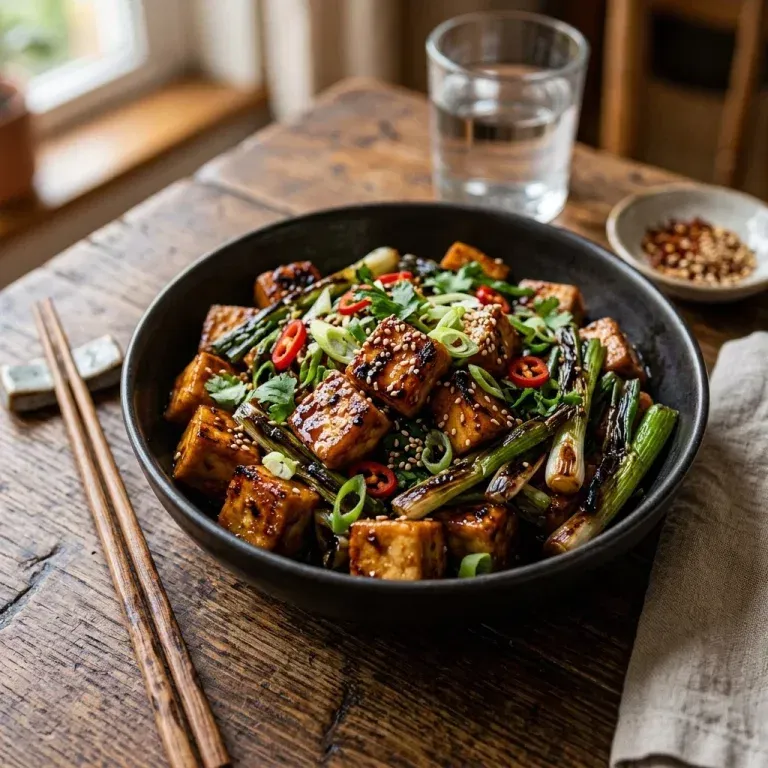
For an Asian-inspired bowl, cook your oats in a mix of water and dashi or chicken stock, then stir in a teaspoon of white miso at the very end. Avoid boiling the miso, as it kills the beneficial probiotics and mutes the flavor. Top this with the fried egg, a heavy drizzle of chili oil, and some toasted sesame seeds. If you're feeling adventurous, add some air-fried tofu or crispy stir-fry aromatics for an extra layer of crunch.
If you’re craving something Mediterranean, lean into garlic and parmesan. Sauté a massive amount of minced garlic in olive oil before toasting your oats. Once cooked, fold in a handful of freshly grated Parmigiano-Reggiano and some wilted spinach. The residual heat of the oats is enough to cook the spinach, do not overcook it in the pan or it will turn gray and bitter. Finish with a squeeze of lemon juice to cut through the richness of the cheese and egg.
Smart Side Dish Pairings
Because savory oats are so rich and starchy, you need sides that provide acidity and freshness. A simple arugula salad with a sharp lemon vinaigrette is the perfect foil. The peppery bite of the greens and the acid from the lemon wake up your palate between spoonfuls of creamy porridge.
If you want a more substantial meal, look toward roasted vegetables. Since the stove is occupied with the porridge and the egg, use your other appliances. Many of our favorite air fryer recipes dinner enthusiasts pair these oats with crispy broccoli or air-fried Brussels sprouts. The intense, dry heat of the air fryer caramelizes the natural sugars in the vegetables, providing a sweet and smoky contrast to the salty oats. You could even throw in some air-fryer breakfast sausages to turn this into a high-protein feast that still fits within your healthy dinner ideas.
Frequently Asked Questions
Can I use steel-cut oats instead of rolled oats?
Yes, but be prepared for a lifestyle change. Steel-cut oats take significantly longer to cook (about 20–30 minutes) and require more liquid. However, they offer a much firmer, rice-like texture that many people prefer for savory dishes. If you’re in a rush, stick to rolled oats. Avoid instant or "quick" oats if you can; they are processed to cook fast by breaking down the fiber, which often results in a "gluey" texture that can't be fixed by toasting.
My porridge turned out gummy. What did I do wrong?
Usually, this is a result of one of two things: not toasting the oats or using too much water and overworking them. If you skip the toasting step, the starches on the outside of the oat hydrate instantly and turn to slime. Also, check your heat. If you boil the oats too hard, the starch molecules burst too quickly. Simmer gently and stir only enough to create creaminess, not a workout.
How do I reheat savory oats?
Oats are like sponges; they will continue to soak up liquid as they sit in the fridge. To reheat, place them in a small pot with a splash of broth or water. Heat over medium-low, stirring constantly, until they loosen back up to their original creamy glory. Do not microwave them on high power without adding liquid, or you’ll end up with an oat-brick. Always fry a fresh egg for the leftovers: a reheated fried egg is a culinary crime.
Can I make this vegan?
Absolutely. Swap the butter for a neutral oil or coconut oil (though olive oil is best for savory notes). Use vegetable stock and replace the Parmesan with nutritional yeast or a dollop of white miso. For the egg, you can use a silken tofu "scramble" or simply top with a generous amount of avocado and smoked paprika to mimic the creaminess and smokiness of a fried egg.
{“@type”:”BlogPosting”,”image”:”https://cdn.marblism.com/PxKNX_AIUVB.webp”,”author”:{“name”:”Penny”,”@type”:”Person”},”@context”:”https://schema.org”,”headline”:”Savory Oat Porridge with Fried Egg”,”publisher”:{“logo”:{“url”:”https://cookpedia.com/logo.png”,”@type”:”ImageObject”},”name”:”Cookpedia”,”@type”:”Organization”},”description”:”Discover the science and technique behind the perfect savory oat porridge. A creamy, umami-packed meal topped with a crisp fried egg.”,”datePublished”:”2026-05-28″,”mainEntityOfPage”:{“@id”:”https://cookpedia.com/savory-oat-porridge-fried-egg”,”@type”:”WebPage”}}