Recipe
Servings
Servings 1×
Ingredients
- Chickpeas
- Rolled oats
- Greek yogurt
- Avocado
- Berries
- Lemon
- Lime
- Balsamic vinegar
- Honey
- Tahini
- Butter
- Salt
Method
- Prepare the ingredients described in the article and heat the cooking surface or oven as directed.
- Cook the main ingredients using the heat and timing guidance in the article.
- Finish with the seasonings and garnishes named in the article, then serve.
You probably think a yogurt parfait is just breakfast, but if you treat it with a bit of scientific respect, it becomes the ultimate architectural feat of your kitchen. We aren't just throwing things in a glass here; we are managing moisture migration, protein matrices, and enzymatic activity. Whether you need healthy dinner ideas that don't require turning on the stove or just a sophisticated snack, understanding the "why" behind the layers will change your kitchen game forever.
The Physics of the Parfait: Protein and Viscosity
When you reach for Greek yogurt, you’re interacting with a concentrated dairy matrix. Unlike regular yogurt, Greek yogurt is strained, a process that physically removes the liquid whey. This isn't just about making it thicker; it’s about doubling the protein density. By removing the whey, you create a more stable structure that can actually support the weight of your toppings without collapsing. If you've ever had a runny parfait, it's likely because the fruit’s acidity started breaking down the yogurt’s protein network or you used a low-protein substitute.
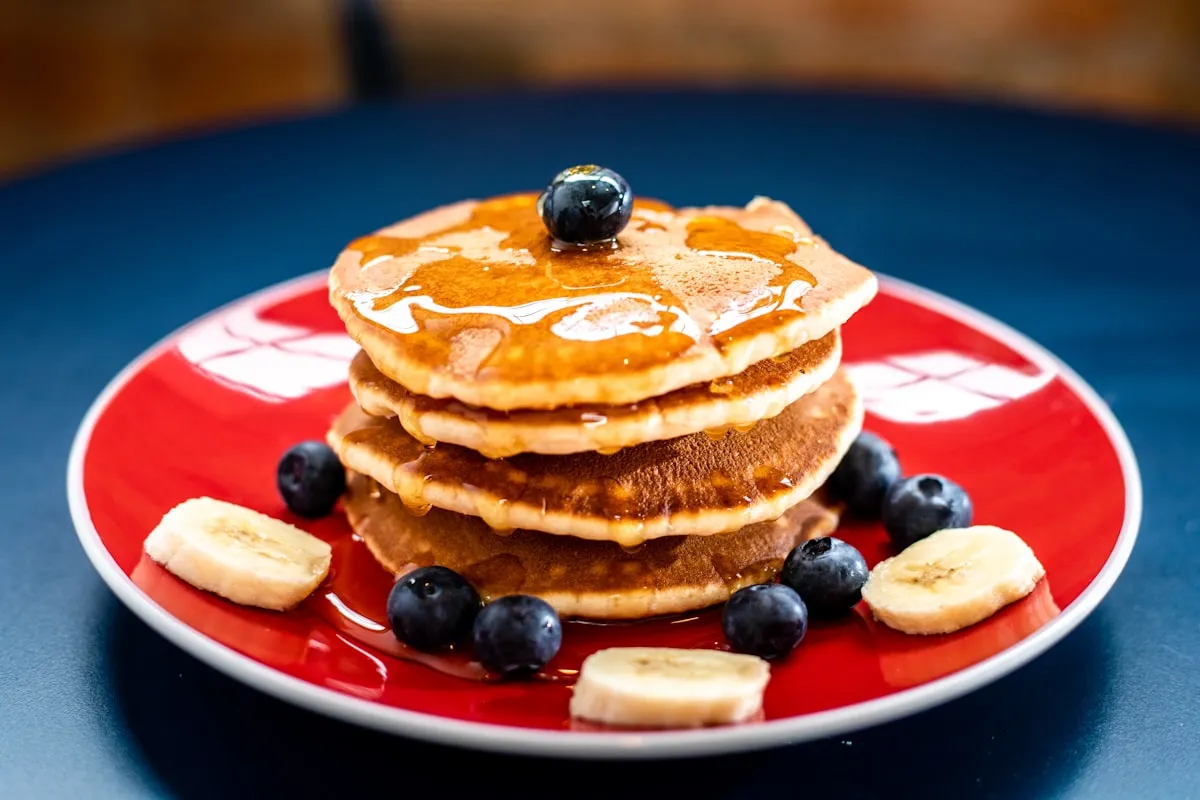
Now, let’s talk about honey. Honey is a fascinating, complex substance. It is primarily a supersaturated sugar solution, but it’s also highly hygroscopic. This means it has a physical "thirst" to pull moisture from its surroundings. When you drizzle honey over your yogurt, it doesn't just sit there; it begins to interact with the moisture in the yogurt. This is why you should always drizzle your honey last. If you put it in the middle of your layers, it acts as a moisture magnet, pulling liquid from the yogurt and the fruit, turning your crunchy granola into a soggy mess in record time.
To keep that crunch, you need to think like an engineer. Granola is essentially a collection of starch networks. When these starches are toasted, they undergo the Maillard reaction, which creates a slightly hydrophobic (water-repelling) shell. However, this shell is thin. To preserve it, you must create a barrier. I recommend using high-fat toppings like nuts or seeds between the yogurt and the granola. These fats act as a sealant, preventing the water in the yogurt from migrating into the air-pockets of your toasted oats.
If you’re looking for quick family meals that everyone can customize, setting up a "parfait bar" is a genius move. It allows you to keep the ingredients separate until the very last second, ensuring that the structural integrity of the granola is maintained. Even in my favorite air fryer recipes dinner collection, I often suggest air-frying your own granola clusters to achieve that perfect, moisture-resistant "glass" finish on the oats.
Scientific Swaps and Variations
Balance in a parfait isn't just about flavor; it’s about pH and fat content. If you find Greek yogurt too tart, don't just dump sugar in it. The tartness comes from lactic acid. To balance this without a sugar crash, try adding a pinch of salt. Salt suppresses the perception of bitterness and acidity while enhancing the floral notes of the honey.
- The Acid-Fat Balance: If you are using very sweet berries, try adding a squeeze of lime or lemon juice to the yogurt. The citric acid provides a sharp contrast to the creamy fats in the dairy, making the whole dish feel lighter and more refreshing.
- The Texture Game: Swap honey for a thick fruit reduction if you want more body. If you’re feeling adventurous, use a balsamic glaze. The acetic acid in the balsamic cuts through the richness of the yogurt much more effectively than honey, which is great for a more savory "dinner" vibe.
- The Protein Boost: Stir a tablespoon of almond butter or tahini into your yogurt. This adds healthy fats and changes the viscosity, making the yogurt even more resistant to becoming "weepy" when mixed with juicy fruits like peaches or plums.
Perfect Pairings for a Balanced Table
While a parfait is a powerhouse on its own, pairing it correctly can turn it from a snack into a complete meal. Since the parfait is heavy on protein and probiotics, you want to pair it with something that provides fiber and complex carbohydrates without being overly heavy.
A simple side of roasted chickpeas, perhaps seasoned with a bit of smoked paprika, provides a savory, crunchy counterpoint to the soft, sweet yogurt. If you’re serving this as part of your quick family meals rotation, consider a light, zesty arugula salad on the side. The bitterness of the greens acts as a palate cleanser between bites of the rich, honey-laden yogurt. For those who want something warm, a slice of whole-grain sourdough toasted with a bit of avocado provides the healthy fats and slow-burning carbs needed to round out the meal.
Parfait Science: Frequently Asked Questions
Why does my yogurt get watery after a day in the fridge?
This is a process called syneresis. When the protein structure of the yogurt is disturbed (like when you scoop it into a glass), it begins to contract and squeeze out the remaining whey. To prevent this, avoid over-stirring your yogurt before layering. The more you "work" the yogurt, the more you break down those delicate protein bonds.
Can I use any honey?
Chemically, yes, but nutritionally, raw honey contains enzymes like diastase and invertase that are destroyed by heat. If you’re looking for the most "active" benefits, stick to raw honey. However, keep in mind that raw honey crystallizes faster because of its natural pollen and wax content. If your honey is solid, gently warm it in a bowl of warm water: never microwave it, or you’ll kill those beneficial enzymes.
How do I stop the fruit from bleeding color into the yogurt?
This is mostly an aesthetic issue, but it's caused by the cell walls of the fruit breaking down and releasing anthocyanins (the pigments). To minimize this, use whole berries rather than sliced ones. If you must use sliced fruit, pat them dry with a paper towel first to remove excess surface moisture.
Is it really a "healthy" dinner?
If you control the sugar, absolutely. By focusing on high-protein Greek yogurt and using honey as a strategic accent rather than a main ingredient, you’re getting a high-satiety meal that supports muscle repair and gut health. It’s one of those healthy dinner ideas that feels like a treat but performs like fuel.
Why is my granola still soggy even if I eat it immediately?
Check your honey! Because honey is hygroscopic, if you've mixed the honey into the granola before layering, it has already started pulling moisture from the air. Always store your granola in an airtight container and apply the honey as the final step.
For more quick kitchen solutions, check out our guide on Air Fryer Sausage and Peppers or explore our Lazy Sunday Breakfast Bake for more family inspiration!