Recipe
Servings
Servings 1×
Ingredients
- Chickpeas
- Garlic
- Lemon
- Tahini
- Cooking oil
- Sesame
- Salt
Method
- Prepare the ingredients described in the article and heat the cooking surface or oven as directed.
- Cook the main ingredients using the heat and timing guidance in the article.
- Finish with the seasonings and garnishes named in the article, then serve.
There is something undeniably satisfying about a meal that feels like a celebration but comes together with the efficiency of a well-oiled machine. If you are tired of the same old rotation, let me introduce you to the ultimate solution: the falafel bowl. It is bright, crunchy, creamy, and hits every single flavor note your palate craves. More importantly, it is one of those plant-based dinner ideas that actually leaves you feeling full and energized rather than looking for a snack an hour later.
The Science of the Perfect Crunch
The difference between a "fine" falafel and a "life-changing" one comes down to chemistry. If you have ever tried to make falafel with canned chickpeas, you probably ended up with a mushy mess that disintegrated in the pan. The secret is the starch. Canned chickpeas are already cooked, meaning their starches are fully gelatinized and soft. To get that iconic craggy, crispy exterior, you must use dried chickpeas that have been soaked for 24 hours but remain raw.
When these raw, soaked chickpeas hit the heat, the intact starch granules expand and partially cook, creating a fluffy, airy interior. Because the surface is irregular and pebbly, rather than a smooth puree, you increase the surface area significantly. More surface area means more contact with the heat, which translates to a crunch that can be heard across the room.
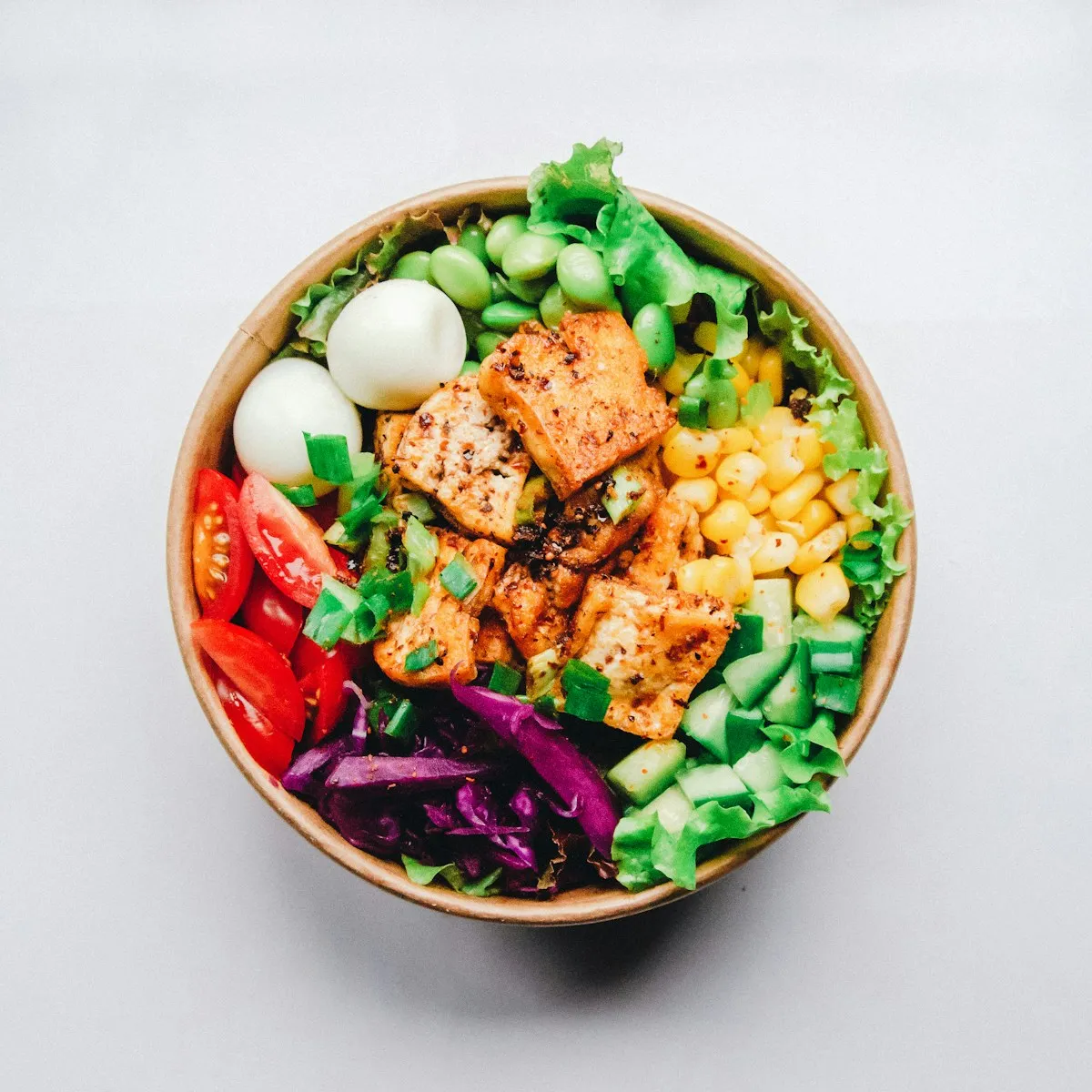
Don’t skip the resting phase. Once you’ve pulsed your chickpeas with plenty of fresh herbs and garlic, let the mixture chill in the fridge for at least thirty minutes. This allows the starches to hydrate and the flavors to meld. Think of it as a brief nap for your ingredients; they wake up much more cooperative when it’s time to shape them into balls or patties.
Master the Tahini Emulsion
Now, let’s talk about the dressing. If you’ve ever added lemon juice to tahini and watched it seize into a thick, stubborn paste, don’t panic, you haven’t ruined it. You’ve just witnessed the hydrophilic nature of sesame solids. Tahini is essentially an oil-based suspension of ground sesame seeds. When you add a tiny bit of water or acid, those solids hydrate and clump together like a middle school dance.
The fix is simple: keep going. By adding cold water one tablespoon at a time and whisking vigorously, you force the mixture through that awkward "seized" phase into a smooth, pale, and creamy emulsion. The goal is a pourable consistency that coats the back of a spoon. For the best flavor, use fresh lemon juice and a pinch of salt to balance the natural bitterness of the sesame.
When you are looking for healthy weeknight dinners, having a jar of this "liquid gold" in your fridge is a total cheat code. It isn't just for falafel; it's a powerhouse for roasted vegetables and grain salads alike.
Variations to Keep Things Fresh
One of the reasons this dish remains a staple in my kitchen is its incredible versatility. Once you have the foundation of crispy falafel and creamy tahini, you can pivot in a dozen different directions depending on what is lingering in your pantry.
- The Green Goddess: Toss a handful of fresh parsley, cilantro, and mint into your tahini dressing and blitz it in a blender. This turns your sauce into a vibrant green herby delight that adds a massive hit of freshness.
- The Spicy Kick: Fold in a spoonful of harissa or sriracha to the tahini. The heat cuts through the richness of the sesame and the fried chickpeas perfectly.
- The Grain Swap: While quinoa is a classic base for plant-based dinner ideas, don't be afraid to try farro for a chewy, nutty bite or even cauliflower rice if you're keeping things lighter.
- The Mezze Spread: Instead of a bowl, serve everything on a large platter. Add some spicy tomato-based dishes or even warm pita bread to make it an interactive family feast.
Perfect Pairings and Balance
A great bowl is all about the balance of textures and flavors. Since falafel is savory and earthy, you need acidity and crunch to prevent the dish from feeling heavy. I always recommend a "quick-pickled" element. You can achieve this by tossing thinly sliced red onions in a splash of apple cider vinegar and a pinch of sugar while you prep everything else. By the time you eat, they’ll be bright pink and punchy.
Freshness is non-negotiable. A simple cucumber and tomato salad, tossed with a little lemon and dried sumac, provides the watery crunch needed to offset the dense protein of the chickpeas. If you have an air fryer, you can also toss in some florets of cauliflower to roast while you fry the falafel. This adds a caramel-sweet note that rounds out the entire bowl.
When planning your healthy weeknight dinners, think about how to contrast temperatures. Serving steaming hot falafel over a bed of cold, crisp greens creates a sensory experience that makes a simple bowl feel like restaurant-quality fare.
FAQ: Troubleshooting Your Falafel
Why did my falafel fall apart in the oil?
This usually happens because the mixture was too wet or the oil wasn't hot enough. Make sure you drain your soaked chickpeas exceptionally well, pat them dry if you have to. If the oil is too cool, the falafel will soak up the grease and lose its structural integrity before it can form a crust. Use a thermometer and aim for 350°F (175°C).
Can I bake these instead of frying?
Yes, but manage your expectations. A baked falafel won't be quite as craggy as a fried one. To get the best results, shape them into flatter patties rather than balls. This increases the contact with the hot baking sheet. Brush them generously with olive oil before they go into a 400°F (200°C) oven.
Is tahini supposed to be this bitter?
Good tahini has a pleasant nuttiness with a faint bitter finish. If yours is overwhelmingly bitter, it might be old or made from lower-quality sesame seeds. Always give the jar a good stir to incorporate the oils, and use plenty of lemon juice in your dressing to balance the flavor.
How do I keep the interior from being dry?
Don't over-grind your chickpeas. You want the texture of coarse sand, not a smooth paste. Over-processing the mixture creates a dense puck that doesn't allow steam to escape. Also, a half-teaspoon of baking powder added right before frying can help create tiny air pockets, ensuring the inside stays light and fluffy.
Whether you are a seasoned pro or just starting to explore plant-based dinner ideas, these falafel bowls are a reliable, impressive, and deeply nourishing choice. Just remember: soak your beans, whisk your tahini, and never settle for a soggy crust.
{“@type”:”BlogPosting”,”image”:[“https://cdn.marblism.com/MaSEg26VdO9.webp”,”https://cdn.marblism.com/Pnxe3iRRvOg.webp”,”https://cdn.marblism.com/09cQhBmkAY3.webp”,”https://cdn.marblism.com/AeICx092aAY.webp”,”https://cdn.marblism.com/qXjO_EICi18.webp”],”author”:{“name”:”Penny”,”@type”:”Person”},”@context”:”https://schema.org”,”headline”:”Falafel Bowls with Tahini Dressing”,”publisher”:{“url”:”https://cookpedia.com”,”name”:”Cookpedia”,”@type”:”Organization”},”description”:”Learn the science behind the perfect crispy falafel and creamy tahini dressing for the ultimate healthy weeknight dinner.”,”datePublished”:”2026-05-22″,”mainEntityOfPage”:{“@id”:”https://cookpedia.com/falafel-bowls-tahini-dressing”,”@type”:”WebPage”}}