Recipe
Servings
Servings 1×
Ingredients
- Chicken
- Shrimp
- Steak
- Tofu
- Beans
- Quinoa
- Rice
- Cauliflower
- Broccoli
- Mushrooms
- Greens
- Peas
- Cucumber
- Avocado
- Garlic
- Fresh ginger
- Lime
- Cooking oil
Method
- Let's dive into how you can master this powerhouse dish in your own kitchen tonight.
- Stir-frying is not just tossing things into a pan; it is a delicate dance of thermal conduction, moisture management, and timing.
- Heat your skillet or wok until it is screaming hot before adding any oil.
- Use high-smoke-point oils like avocado or grapeseed oil rather than extra virgin olive oil, which burns and turns bitter at high temperatures.
- Cook in batches if necessary, or keep your vegetable selection lean and purposeful.
- Keep the heat steady, trust your timing, and finish with a generous squeeze of fresh lime juice to wake up every single flavor profile in the pan.
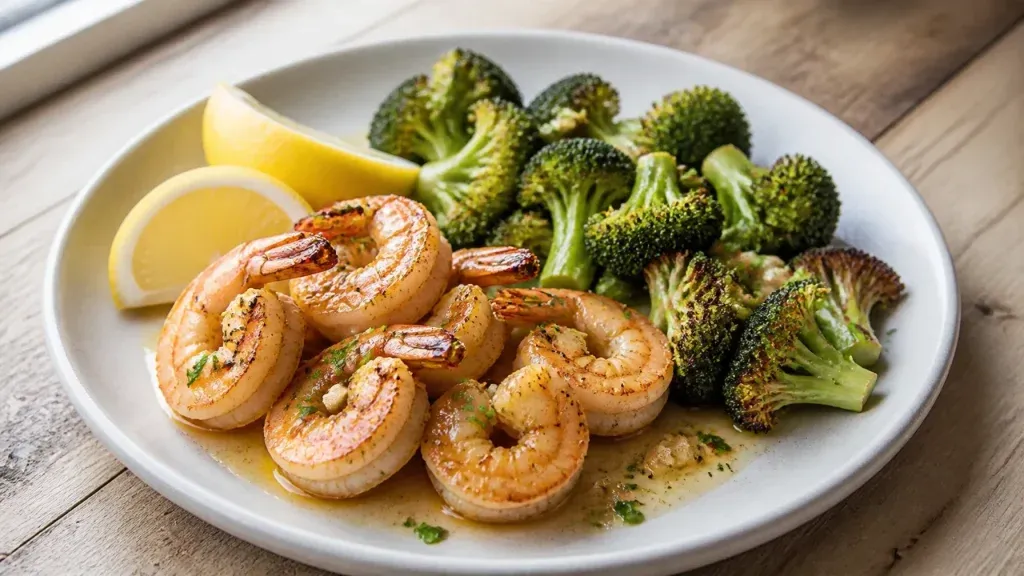
When weeknights get chaotic and takeout menus start calling your name, you need a game plan that delivers real food fast. On my blog, I always advocate for quick family meals that don't compromise on flavor or nutrition. Enter the ultimate 15-minute shrimp and vegetable stir-fry with garlic and lime. It is bright, lightning-fast, and packed with textures that make healthy dinner ideas genuinely exciting. Let's dive into how you can master this powerhouse dish in your own kitchen tonight.
Tips and Techniques: The Science of High-Heat Stir-Frying
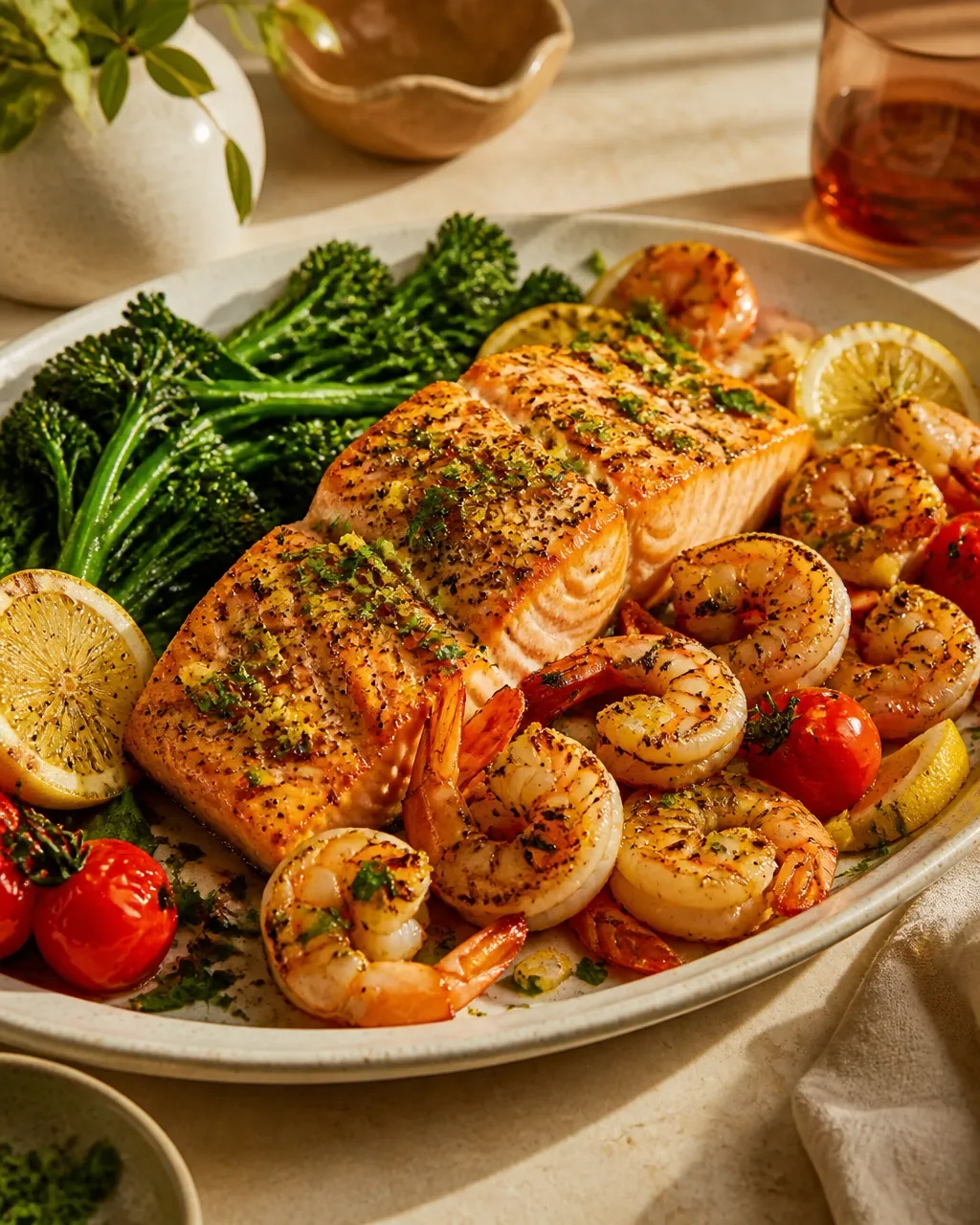
To get restaurant-quality results in under fifteen minutes, you have to understand the physics of high-heat cooking. Stir-frying is not just tossing things into a pan; it is a delicate dance of thermal conduction, moisture management, and timing.
First, prep everything before you even think about turning on the burner. Shrimp cooks in a blink, literally two to three minutes, and vegetables lose their crisp vitality if they sit in a crowded pan too long. Chop your bell peppers, broccoli florets, and snap peas into uniform sizes so they cook at the exact same rate.
Heat your skillet or wok until it is screaming hot before adding any oil. Use high-smoke-point oils like avocado or grapeseed oil rather than extra virgin olive oil, which burns and turns bitter at high temperatures. When the oil shimmers, add your shrimp in a single layer. Resist the urge to constantly stir; let them sear undisturbed for ninety seconds to develop that gorgeous golden crust driven by the Maillard reaction.
Never overcrowd your pan. If you throw too much cold food into a hot pan at once, the temperature plummets, releasing steam instead of searing. Your vegetables will end up soggy and gray instead of crisp-tender and vibrant. Cook in batches if necessary, or keep your vegetable selection lean and purposeful.
Finally, add your aromatics, minced garlic and fresh ginger, during the final thirty seconds of cooking. Garlic contains sulfur compounds that burn easily under intense heat, turning acrid and bitter if introduced too early. Keep the heat steady, trust your timing, and finish with a generous squeeze of fresh lime juice to wake up every single flavor profile in the pan.
Delicious Variations to Keep Dinner Exciting
Variety keeps home cooking joyful, and this stir-fry acts as a brilliant canvas for whatever you have hiding in your refrigerator crisper drawer. If you want to expand your collection of healthy dinner ideas, swap out the shrimp for cubed firm tofu, thinly sliced chicken breast, or even lean flank steak.
To introduce different flavor dimensions, play with your sauce components. Whisk together tamari, a splash of toasted sesame oil, a dash of rice vinegar, and a pinch of red pepper flakes for a punchy umami kick. If you love heat, fold in a spoonful of chili garlic paste or sambal oelek right when you toss in the vegetables.
Vegetable combinations are entirely flexible. Swap bell peppers for baby bok choy, sugar snap peas, sliced mushrooms, or water chestnuts. If you prefer a crunchier finish, throw in a handful of fresh bean sprouts right at the very end, off the heat, so they retain their crisp bite.
For those nights when you want to branch out beyond stovetop methods, remember that exploring techniques like air fryer recipes dinner inspirations can also complement your weekly menu rotation. But on nights when you want maximum speed and minimal cleanup, a sizzling skillet stir-fry remains unbeatable.
Perfect Side Dish Pairings for Balance
Balancing a meal is all about contrasting textures and flavors. Because this shrimp and vegetable stir-fry is light, zesty, and savory, it pairs best with bases that absorb the luscious garlic-lime pan sauce without weighing you down.
Spoon your stir-fry over a bed of fluffy jasmine rice, brown rice, or protein-packed quinoa. If you want to keep things ultra-light and low-carb, serve the stir-fry over cauliflower rice or freshly shredded Napa cabbage.
To cut through the richness and add a refreshing crunch, pair your meal with a quick Asian-inspired cucumber salad tossed in rice vinegar, sesame seeds, and a pinch of salt. The sharp acidity of pickled vegetables resets your palate between bites, making every forkful of the garlic-lime shrimp taste as vibrant as the first. Check out our quick meals collection for more pairing inspiration.
Frequently Asked Questions
What if my shrimp turns out rubbery and tough?
Overcooked shrimp is the number one culprit behind disappointing stir-fries. Shrimp cooks almost instantaneously; as soon as they curl into a tight "C" shape and turn opaque pink, remove them from the heat immediately. If you leave them in the pan while cooking your vegetables, they will seize up and become rubbery.
Can I use frozen shrimp for this recipe?
Yes, absolutely. Just make sure you thaw the shrimp completely and pat them thoroughly dry with paper towels before cooking. Excess moisture on frozen shrimp creates steam in the pan, preventing that crucial sear and diluting your garlic-lime sauce.
How do I prevent my vegetables from getting soggy?
Water is the enemy of a good stir-fry. Always dry your washed vegetables completely before cutting them. Furthermore, cook over high heat and avoid dumping all your veggies into a crowded pan. Cook them quickly so they retain their vibrant color and crisp texture.
How can I make this dish meal-prep friendly?
While shrimp is best enjoyed fresh, you can prep all your vegetables, chop your aromatics, and mix your sauce ingredients up to two days in advance. Store them in airtight containers in the fridge, and you can pull off this sizzling dinner in under ten minutes on a frantic Tuesday night. Explore more one-pot meals and dinner recipes on our site to keep your weekly routine streamlined and delicious.
{“@type”:”Article”,”author”:{“name”:”Cookpedia”,”@type”:”Organization”},”@context”:”https://schema.org”,”headline”:”Quick Healthy Meals: 15-Minute Shrimp and Vegetable Stir-Fry with Garlic and Lime”,”publisher”:{“url”:”https://cookpedia.com”,”name”:”Cookpedia”,”@type”:”Organization”},”description”:”Learn how to make a lightning-fast 15-minute shrimp and vegetable stir-fry with garlic and lime. Expert tips, variations, and science-backed techniques for home cooks.”,”mainEntityOfPage”:{“@id”:”https://cookpedia.com/recipe/15-minute-shrimp-vegetable-stir-fry”,”@type”:”WebPage”}}