Recipe
Servings
Servings 1×
Ingredients
- Chicken
- Salmon
- Beans
- Quinoa
- Rice
- Cauliflower
- Broccoli
- Asparagus
- Green beans
- Onion
- Garlic
- Lime
- Cream
- Cooking oil
- Salt
- Black pepper
Method
- Use a heavy-bottomed skillet: cast iron or stainless steel works wonders: and heat it thoroughly over medium-high heat before adding your oil.
- Cook it undisturbed until the edges turn opaque and the skin crisps into a golden crunch.
- Roast a tray of simple green vegetables like asparagus, broccolini, or green beans tossed in olive oil, salt, and garlic powder.
If you are tired of dry chicken breasts and mundane weeknight routines, it is time to shake up your dinner plate. When I want something that feels restaurants-worthy yet comes together without a fuss, I always reach for this vibrant combination. It delivers a refreshing burst of tropical sweetness alongside protein-packed fish, proving that healthy dinner ideas do not have to taste like cardboard.
The Science of the Searing and Balancing Flavors
Mastering pan-seared salmon is all about respecting temperature and moisture. Water is the absolute enemy of a crispy crust. Always pat your salmon fillets completely dry with paper towels before seasoning. When moisture hits hot oil, it creates steam, which prevents browning and leads to soggy skin. Use a heavy-bottomed skillet: cast iron or stainless steel works wonders: and heat it thoroughly over medium-high heat before adding your oil.
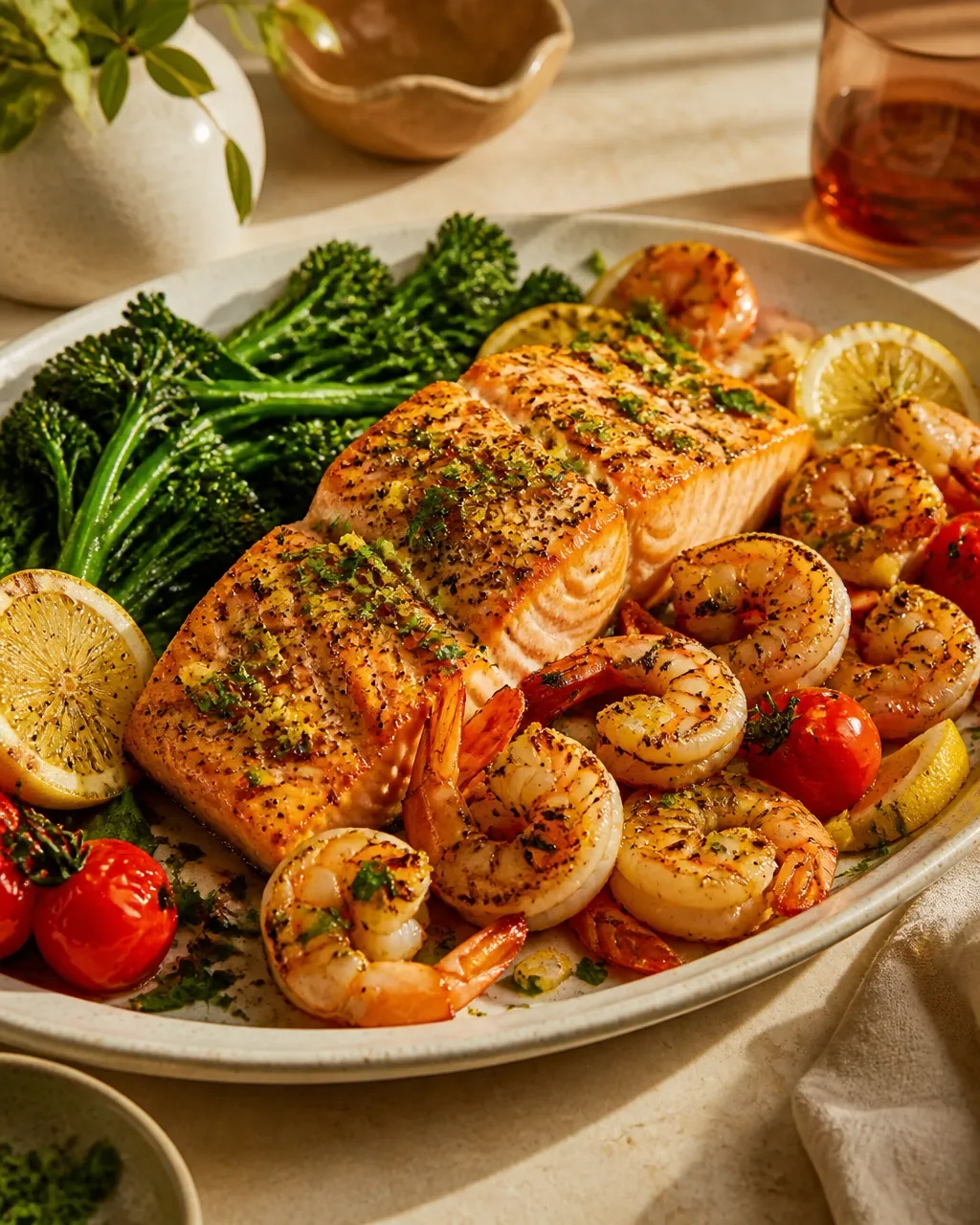
When you lay the fillet skin-side down, press down gently for the first ten seconds. This counters the natural protein contraction that causes the fish to curl up, ensuring maximum surface contact with the pan. Cook it undisturbed until the edges turn opaque and the skin crisps into a golden crunch.
Beyond texture, flavor balancing is where the magic happens. Salmon is rich in healthy fats, which can feel heavy if not met with the right acidity. That is why pairing the rich fish with a zesty mango salsa loaded with lime juice and red onion works so brilliantly. The natural citric acid cuts right through the salmon's richness, waking up your palate with every single bite. If you enjoy exploring diverse quick family meals, this dish hits every nutritional and sensory mark effortlessly.
Vibrant Variations to Keep Things Interesting
Even the best recipes benefit from a little reinvention. If you want to customize your bowl based on what is sitting in your refrigerator, try these simple tweaks:
- Swap out brown rice for quinoa or cauliflower rice depending on your carbohydrate preference. Quinoa adds an extra protein kick, while cauliflower rice keeps things exceptionally light.
- Add finely diced jalapeño or serrano pepper to your fruit topping if you love a spicy kick that contrasts with the sweet mango.
- Toss in diced cucumbers or ripe avocados to introduce creamy textures and extra hydration.
- On nights when you want to experiment with alternative cooking methods, remember that exploring air fryer recipes dinner can give you similar crispy results with minimal cleanup.
Do not be afraid to play with fresh herbs, either. While cilantro is the classic choice for mango salsa, chopped fresh mint or basil can completely transform the aroma profile. Always taste your fruit mixture before serving, and adjust the lime juice or salt to keep the sweet-and-sour ratio perfectly balanced.
Smart Side Dish Pairings for a Complete Plate
To round out your meal without overwhelming the fresh tropical flavors, choose sides that complement without competing.
Roast a tray of simple green vegetables like asparagus, broccolini, or green beans tossed in olive oil, salt, and garlic powder. The earthy char from the oven acts as a wonderful bridge between the savory fish and the sweet salsa. Alternatively, keep things super crisp with a simple arugula salad drizzled with a light vinaigrette. Avoid heavy, cream-based side dishes here; you want to maintain the clean, refreshing profile of the main event.
Frequently Asked Questions
What if my salmon skin sticks to the pan?
If the skin sticks, it usually means the fish is not ready to release yet. When salmon is properly seared, the proteins naturally unstick from the metal once a crisp crust forms. Wait another minute and try again, or ensure your pan had enough hot oil to begin with.
Can I make the mango salsa ahead of time?
You can chop the ingredients a few hours in advance, but hold off on adding the salt until right before serving. Salt draws moisture out of fruit and vegetables, which can make your salsa watery if it sits too long.
How do I know when the salmon is fully cooked?
Look at the sides of the fillet; you will see the flesh turn from translucent pink to opaque light pink about halfway up. For optimal tenderness, aim for medium doneness where the center is still juicy and slightly translucent.
Can I use frozen mango for the salsa?
Fresh ripe mango yields the best texture and flavor, but thawed frozen mango chunks work in a pinch. Just make sure to drain any excess liquid thoroughly before mixing with your lime and onions.