Recipe
Servings
Servings 1×
Ingredients
- Salmon
- Quinoa
- Potatoes
- Asparagus
- Tomatoes
- Garlic
- Fresh ginger
- Lemon
- Lime
- Cream
- Cooking oil
- Soy sauce or tamari
Method
- Prepare the ingredients described in the article and heat the cooking surface or oven as directed.
- Cook the main ingredients using the heat and timing guidance in the article.
- Finish with the seasonings and garnishes named in the article, then serve.
When evening rolls around and energy runs low, finding truly satisfying healthy dinner ideas can feel like an uphill battle. If you want something that tastes restaurant-quality but demands minimal effort, this baked lemon dill salmon is your ultimate answer. It is bright, foolproof, and comes together effortlessly, making it a weeknight staple you will turn to on repeat.
The Science of Sealing Moisture: Why Temperature Control Matters
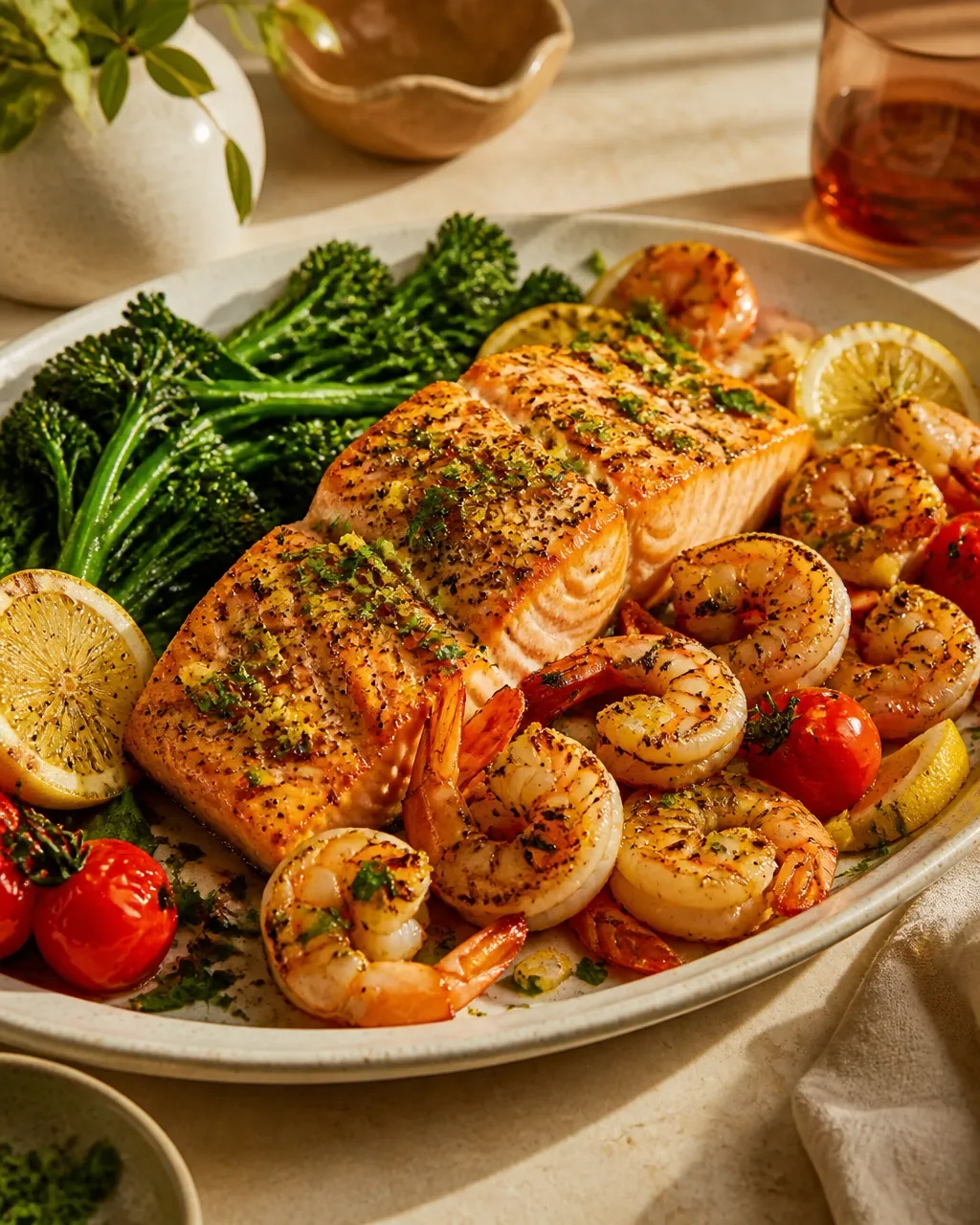
Cooking fish can intimidate even confident home cooks, but the science behind a flaky, succulent fillet is remarkably straightforward. Protein fibers in fish contract as they heat up, squeezing out moisture if oven temperatures soar too high. To prevent your dinner from drying out, rely on moderate heat and protect the surface with healthy fats and citrus slices.
Always preheat your oven before sliding your baking sheet inside. A hot environment encourages immediate protein coagulation on the exterior, locking natural juices firmly inside. Avoid overcooking at all costs; pull your salmon when the internal temperature hits 135°F (57°C) and let residual heat finish the job. If you love quick hands-off cooking, you can also explore our air fryer dinners for other rapid protein methods.
Pay close attention to your asparagus as well. Woody ends contain tough lignin fibers that resist softening, so snap them off at their natural breaking point rather than cutting them blindly. Toss the tender spears in olive oil to create a thermal barrier that roasts the exterior while steaming the core, yielding tender-crisp perfection every single time.
Elevating Your Dish: Smart Variations for Every Palate
Variety keeps weeknight cooking exciting. While lemon and dill form a classic aromatic pairing, feel free to adapt this template based on what is lurking in your refrigerator. Swap dill for fresh tarragon or chives, or substitute lemon with lime zest and a splash of orange juice for a brighter tropical twist.
If you are cooking for households craving quick family meals, you can easily scale this sheet-pan method up by adding baby potatoes or cherry tomatoes to the roasting tray. For a completely different flavor profile inspired by our popular teriyaki beef stir-fry, brush the salmon with a quick glaze of low-sodium soy sauce, ginger, and garlic during the final minutes of baking.
Thoughtful Side Dish Pairings for Balance
Balancing rich proteins with acidic or light vegetable elements creates a complete meal. Pair your baked salmon with a crisp, herb-heavy green salad dressed in a sharp shallot vinaigrette; the high acidity cuts right through the natural richness of the fish.
Alternatively, serve your meal over a bed of fluffy quinoa or lemony couscous to soak up all those delicious pan juices. Avoid heavy, cream-laden starches that weigh down the palate. Keep things light, vibrant, and uncluttered so that every single component shines on the plate.
Frequently Asked Questions
Can I use frozen salmon for this recipe?
Yes, but you must thaw it completely in the refrigerator overnight before cooking. Pat the fillets thoroughly dry with paper towels to remove excess surface moisture; otherwise, the fish will steam rather than roast, preventing proper browning.
How do I know when the salmon is fully cooked?
Insert a fork into the thickest part of the fillet and gently twist. The flesh should flake easily and transition from translucent pink to opaque light pink. If you prefer precision, use an instant-read meat thermometer inserted into the center.
Can I prep the salmon and asparagus ahead of time?
You can trim the asparagus and portion your salmon fillets up to a few hours in advance, keeping them covered in the refrigerator. However, do not add salt or lemon juice until right before baking, as salt draws out moisture prematurely and acid can begin curing the fish proteins.
What if I want to use my air fryer instead?
If you prefer air fryer recipes dinner nights, preheat your air fryer to 390°F (200°C). Cook the seasoned salmon for 7 to 9 minutes, and roast the asparagus in a separate batch for 5 to 6 minutes until tender-crisp.
{“@type”:”Article”,”author”:{“name”:”Cookpedia”,”@type”:”Organization”},”@context”:”https://schema.org”,”headline”:”Healthy Weeknight Dinners: Baked Lemon Dill Salmon with Roasted Asparagus”,”publisher”:{“url”:”https://cookpedia.com”,”name”:”Cookpedia”,”@type”:”Organization”},”description”:”Learn how to make a healthy, delicious baked lemon dill salmon with roasted asparagus with expert tips on temperature control, smart variations, and side dish pairings.”}