Recipe
Servings
Servings 1×
Ingredients
- Chicken
- Ground turkey
- Tofu
- Lentils
- Black beans
- Beans
- Pasta
- Rolled oats
- Eggs
- Greek yogurt
- Bread
- Cauliflower
- Broccoli
- Asparagus
- Zucchini
- Mushrooms
- Spinach
- Cucumber
Method
- Use this knowledge to build healthy dinner ideas that actually sustain you until breakfast.
- Start with a thick, plain Greek yogurt or skyr for a massive protein hit.
- Fold in a mountain of sautéed spinach, bell peppers, and mushrooms.
- Use pre-cooked vacuum-packed lentils to save time.
- Toss them with roasted broccoli and a squeeze of lemon.
Ever feel like you’ve just finished a massive plate of food, only to find yourself rummaging through the pantry for a snack thirty minutes later? You aren’t failing at willpower; you’re likely just failing at chemistry. Most of us chase "healthy" labels without looking at how nutrients actually talk to our bodies. If you want to stop the mid-afternoon energy crash and keep your hunger in check, you need to master the art of the protein-fiber pairing. It is the ultimate "cheat code" for sustainable energy and weight management, and I’m going to show you how to do it with quick healthy meals that don't require a culinary degree.
The Science of Staying Full: Why This Pair Wins
To understand why this duo is so powerful, you have to look at your gut’s internal messaging system. When you eat, your body releases satiety hormones like cholecystokinin (CCK), glucagon-like peptide-1 (GLP-1), and peptide YY (PYY). These are the "I’m full" signals that travel from your stomach to your brain. Protein is the most potent trigger for these hormones. By hitting a threshold of about 25 to 30 grams of protein in your quick family meals, you effectively tell your brain to stop the search for food.
But protein is only half the battle. Fiber is the structural partner that makes that fullness last. Soluble fiber, found in oats, beans, and certain fruits, turns into a gel-like substance during digestion. This gel slows down gastric emptying, literally the speed at which food leaves your stomach. When you combine high-quality protein with fibrous plants, you create a slow-release energy source that prevents the massive insulin spikes often caused by refined carbs.
Think of it like a controlled burn versus a flash fire. A meal of just white pasta is a flash fire; it burns hot and fast, leaving you cold and hungry soon after. Adding protein and fiber is like putting a heavy log on the fire. It burns slowly, steadily, and keeps the room warm for hours. Use this knowledge to build healthy dinner ideas that actually sustain you until breakfast. Check your plate for a "fiber floor" of greens or legumes and a "protein ceiling" of lean meat, tofu, or eggs. Avoid the trap of "naked carbs", never eat a piece of fruit or a slice of bread without a protein partner.
Master the Pairing: 5 Meal Blueprints
You don't need a pantry full of "superfoods" to make this work. Focus on real ingredients and simple techniques.
1. The 10-Minute Greek Parfait
Skip the sugary "fruit-on-the-bottom" yogurts. Start with a thick, plain Greek yogurt or skyr for a massive protein hit. The magic happens when you layer in raspberries and chia seeds. Raspberries are one of the highest-fiber fruits available, and chia seeds provide a double-whammy of fiber and healthy fats. This combo stabilizes your blood sugar right at the start of the day.
2. The Savory Veggie Omelet
Eggs are the gold standard for satiety. Fold in a mountain of sautéed spinach, bell peppers, and mushrooms. These vegetables add volume and essential insoluble fiber without adding significant calories. Pair this with a slice of sprouted grain toast to keep your energy levels flat-lined (in a good way!) throughout the morning. If you're looking for air fryer recipes dinner inspiration, you can even roast your peppers in the air fryer first for a deeper flavor profile.
3. The Modern Lentil Bowl
Lentils are a rare "all-in-one" food because they are naturally high in both protein and fiber. Use pre-cooked vacuum-packed lentils to save time. Toss them with roasted broccoli and a squeeze of lemon. The acidity of the lemon cuts through the earthiness of the lentils, making the dish feel light and vibrant.
4. The Rotisserie Chicken & Black Bean Bowl
This is a staple for busy professionals. Shred a store-bought rotisserie chicken and pair it with canned black beans. The beans provide the complex carbohydrates and fiber needed to slow the digestion of the chicken. Throw in some leafy greens and salsa for a meal that hits every nutritional note in under five minutes.
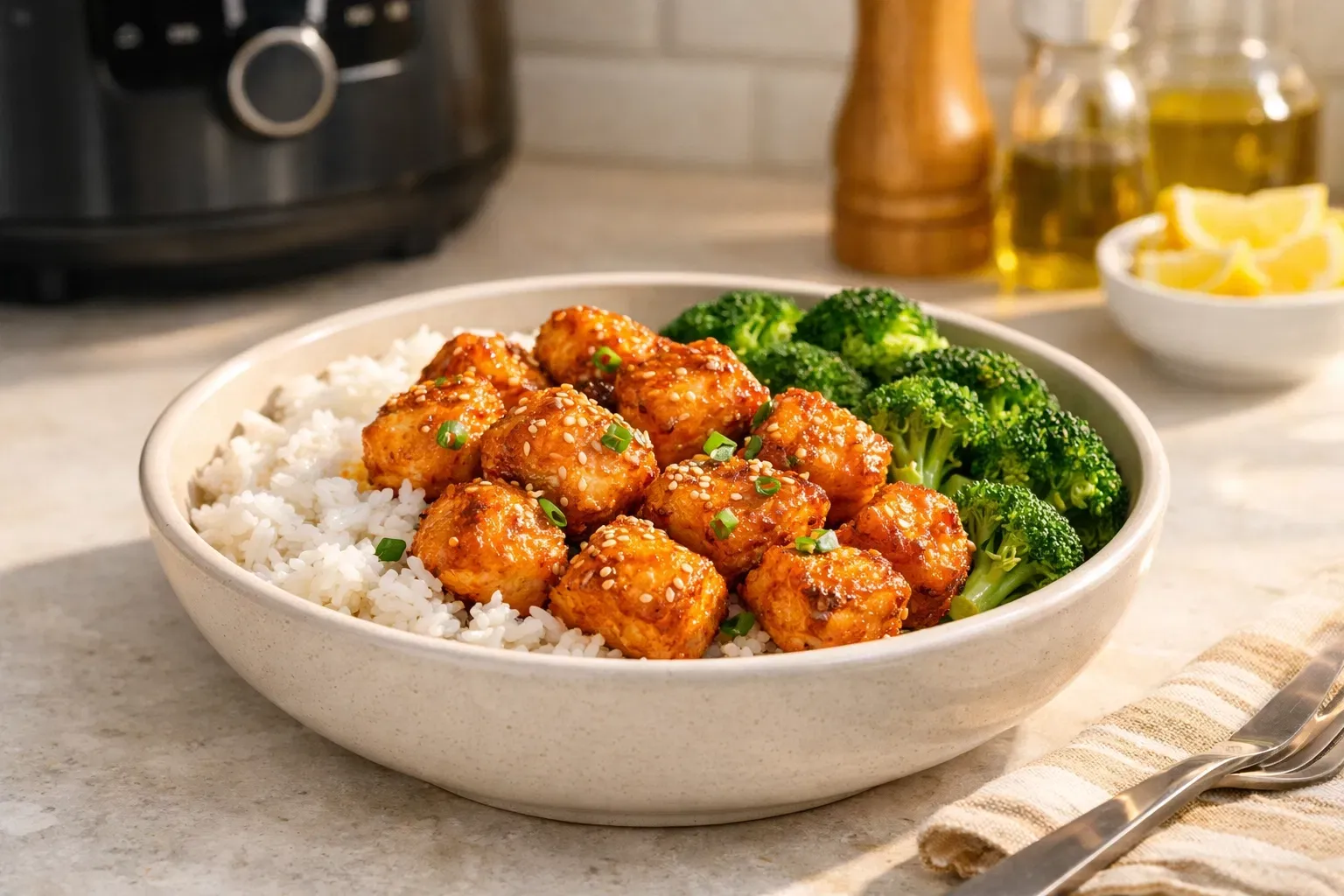
5. The Sesame Tofu & Broccoli Stir-Fry
Tofu is a fantastic plant-based protein that absorbs whatever flavors you throw at it. Pair crispy tofu with a generous portion of steamed or charred broccoli. Broccoli provides the crunch and the "bulk" that keeps your digestive tract moving, while the tofu provides the amino acids necessary for muscle repair and satiety.
Flavor Variations and Balance
When you are building these pairings, focus on the balance of textures and flavors. A common mistake is making "mushy" healthy food. If your protein is soft (like lentils or soft-scrambled eggs), ensure your fiber source has a crunch (like raw cucumber or toasted nuts).
For those following a plant-based lifestyle, focus on "complementary proteins." Combine beans with whole grains or seeds to ensure you are getting a full amino acid profile. If you are leaning into keto-friendly healthy dinner ideas, swap out the grains for high-fiber, low-carb vegetables like cauliflower, asparagus, or avocado. The fat in the avocado further slows digestion, creating an even longer satiety window.
Always consider the "mouthfeel" of your meal. A lean turkey breast can feel dry, so pair it with a high-fiber, high-water-content vegetable like zucchini or a rich, fibrous hummus spread. This contrast makes the meal feel more indulgent than it actually is.
Side Dish Pairings: Cutting the Richness
The key to a soulful meal is contrast. If you have a rich, protein-heavy main, you need a high-fiber side that provides acidity or bitterness to cleanse the palate.
- Acidity Meets Fat: Pair a fatty fish like salmon with a bright, vinegary kale slaw. The fiber in the kale stands up to the richness of the fish, while the vinegar cuts through the oil.
- Bitterness Meets Earthiness: Pair roasted root vegetables (fiber) with a sharp arugula salad. The peppery bite of the arugula balances the natural sweetness of carrots or parsnips.
- Crunch Meets Cream: If you are making a creamy one-pot pasta, serve it with a side of snap peas or a crisp garden salad. This prevents the "carb-coma" that usually follows a heavy pasta meal.
FAQ: Troubleshooting Your Pairing
What if I feel bloated after increasing my fiber?
This is the most common "side effect" of a healthy shift. Your gut bacteria need time to adjust to the new workload. Increase your fiber intake gradually, don't go from zero to sixty in one day. Most importantly, drink plenty of water. Fiber needs water to move through your system; without it, it can cause a "backup" in the pipes.
Can I use frozen vegetables for these quick healthy meals?
Absolutely. In many cases, frozen vegetables are flash-frozen at peak ripeness, meaning they retain more nutrients and fiber than "fresh" produce that has been sitting in a truck for a week. Use them liberally in stir-fries and omelets.
Does blending fiber (like in a smoothie) ruin it?
Blending breaks down the physical structure of the fiber, which can slightly speed up digestion compared to chewing whole vegetables. However, you aren't "destroying" the fiber. To keep the satiety high, ensure you add a solid protein source like Greek yogurt or a high-quality protein powder to the blender.
Is it okay to use the air fryer for these meals?
Yes! Using air fryer recipes dinner style techniques is a great way to get a "fried" texture with minimal oil. Roasting high-fiber veggies like Brussels sprouts or chickpeas in the air fryer creates a satisfying crunch that makes healthy eating feel like a treat.
How do I know if I’m getting enough protein?
Aim for a portion of protein roughly the size of your palm. If you are using plant-based sources like beans or lentils, you’ll usually need about a cup to hit that 20–25 gram mark. Listen to your body: if you are hungry an hour after eating, you probably skimped on the protein or the fiber (or both).
{“@type”:”BlogPosting”,”image”:[“https://cdn.marblism.com/D7otinK2SUf.webp”,”https://cdn.marblism.com/HXgr9RYND-z.webp”,”https://cdn.marblism.com/hWpxHrQyRAa.webp”,”https://cdn.marblism.com/p1KvqGXbDqO.webp”],”author”:{“name”:”Penny”,”@type”:”Person”},”faqPage”:{“@type”:”FAQPage”,”mainEntity”:[{“name”:”What if I feel bloated after increasing my fiber?”,”@type”:”Question”,”acceptedAnswer”:{“text”:”Increase your fiber intake gradually and drink plenty of water to help the fiber move through your digestive system.”,”@type”:”Answer”}},{“name”:”Can I use frozen vegetables for these quick healthy meals?”,”@type”:”Question”,”acceptedAnswer”:{“text”:”Yes, frozen vegetables are a nutritious and convenient option as they are often flash-frozen at peak ripeness.”,”@type”:”Answer”}},{“name”:”Does blending fiber ruin it?”,”@type”:”Question”,”acceptedAnswer”:{“text”:”Blending breaks down the structure but doesn’t destroy the fiber. Adding a protein source helps maintain satiety.”,”@type”:”Answer”}}]},”@context”:”https://schema.org”,”headline”:”Protein-Fiber Pairing: 5 Quick Healthy Meals”,”publisher”:{“logo”:{“url”:”https://cookpedia.com/logo.png”,”@type”:”ImageObject”},”name”:”Cookpedia”,”@type”:”Organization”},”description”:”Learn the science of protein-fiber pairing to stay full longer and stabilize blood sugar with these 5 quick healthy meal ideas.”,”datePublished”:”2026-06-08″,”mainEntityOfPage”:{“@id”:”https://cookpedia.com/protein-fiber-pairing-quick-healthy-meals”,”@type”:”WebPage”}}