Recipe
Servings
Servings 1×
Ingredients
- Shrimp
- Tofu
- Beans
- Quinoa
- Rice
- Eggs
- Broccoli
- Green beans
- Carrots
- Greens
- Peas
- Avocado
- Garlic
- Lime
- Butter
- Cooking oil
- Sesame
- Chili seasoning
Method
- Use rice that has been refrigerated for at least 12 to 24 hours.
- Use a neutral oil with a high smoke point, like grapeseed or avocado oil, and avoid butter until the very end, as its milk solids will burn long before the rice gets crispy.
- Add a punch of acidity to cut through the richness of the egg and oil.
- Cook in smaller portions to ensure each grain makes contact with the hot surface.
Forget the takeout menu and the forty-minute wait for a delivery driver who may or may not find your front door. When you need quick family meals that actually taste like effort was involved, egg fried rice is your undisputed champion. It’s the ultimate kitchen alchemy: turning cold, lonely fridge leftovers into a steaming bowl of golden, umami-packed gold. This isn't just about speed; it's about mastering a few fundamental laws of physics and chemistry to achieve that perfect, non-mushy texture in record time.
The Thermodynamics of the Perfect Grain
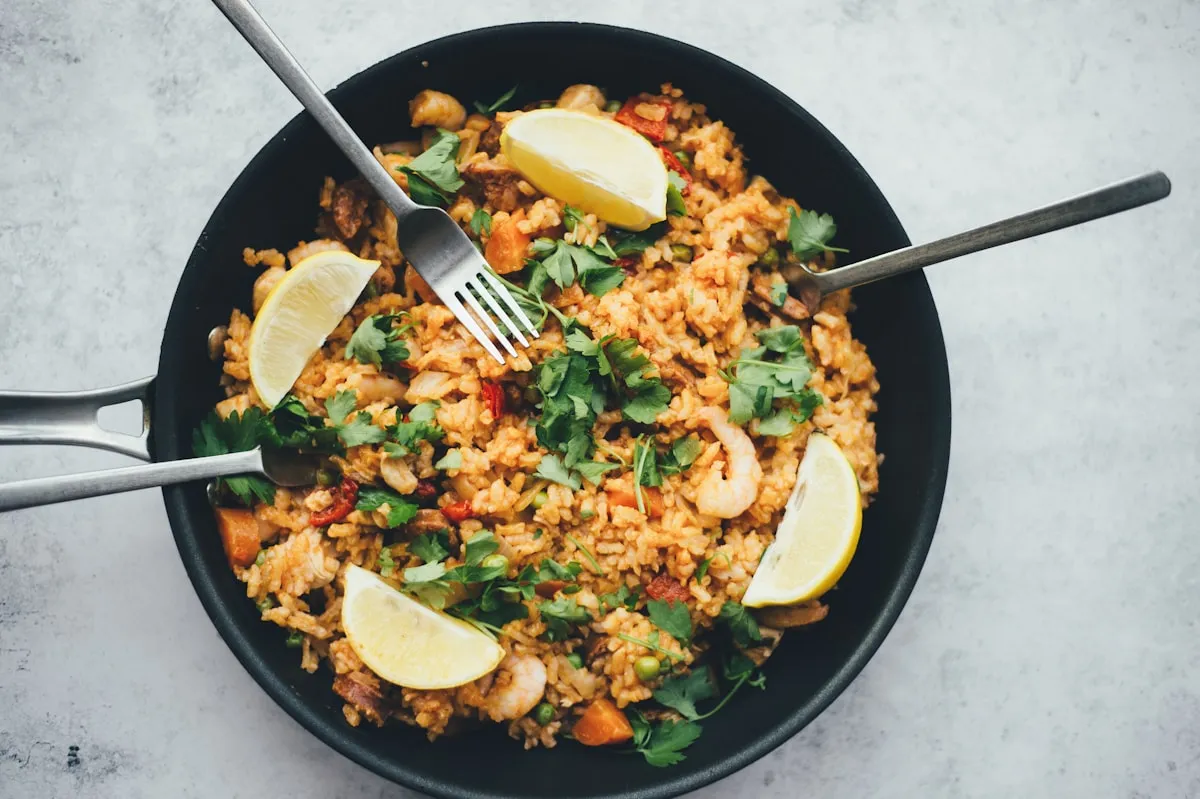
If you’ve ever ended up with a sad, gummy pile of rice pudding instead of distinct, fried grains, you likely skipped the most important scientific step: starch retrogradation. When you first cook rice, the starch granules absorb water and swell, a process called gelatinization. If you try to fry this fresh rice immediately, those swollen granules will release a sticky film of amylopectin that acts like organic superglue.
Use rice that has been refrigerated for at least 12 to 24 hours. During this cold sleep, the starch chains realign into a more rigid, crystalline structure. This makes the grains firm enough to withstand the high-intensity environment of a hot wok without disintegrating. If you're in a pinch, spread fresh rice out on a tray and blast it in front of a fan for thirty minutes to drive off surface moisture, but the fridge method remains the gold standard for healthy dinner ideas.
Once your rice is dry and structurally sound, you need to respect the Maillard reaction. This is the chemical dance between amino acids and reducing sugars that creates that signature "fried" flavor and golden-brown color. To trigger it, your pan must be screaming hot, aim for a surface temperature of around 428°F (220°C). If your pan is too cold, the rice will just sit there and soak up oil like a sponge.
Work in small batches if your stovetop isn't powerful. Crowding the pan drops the temperature instantly, causing the rice to steam rather than sear. Use a neutral oil with a high smoke point, like grapeseed or avocado oil, and avoid butter until the very end, as its milk solids will burn long before the rice gets crispy. For those who love experimenting with modern tech, checking out air fryer recipes dinner can offer insights into high-heat convection cooking that mimics this sear, though the wok remains the king of the stir-fry.
Leveling Up: Texture and Flavor Variations
Once you’ve nailed the basic science, you can start playing with the variables. The classic peas and carrots provide a necessary pop of sweetness and a slight textural snap, but don't stop there. If you’re looking for more quick family meals, consider swapping the white rice for brown rice or even quinoa. Just remember that different grains have different starch profiles; brown rice is higher in fiber and lower in amylopectin, meaning it's naturally less sticky but requires a bit more oil to prevent drying out.
Add a punch of acidity to cut through the richness of the egg and oil. A tiny splash of rice vinegar or a squeeze of lime right before serving can brighten the entire dish. For a spicy kick, fold in a spoonful of chili crisp or sriracha. If you want to increase the protein, small cubes of smoked tofu or tiny bay shrimp work beautifully. If you’re a fan of fusion, try taking a leaf out of the garlic butter ramen hack and finishing your rice with a knob of compound butter and plenty of toasted garlic for a decadent twist.
The Art of the Side Dish
A great bowl of fried rice is a meal in itself, but the right pairing can turn it into a feast. Focus on balance, specifically, acidity and crunch. A simple side of quick-pickled cucumbers or a sharp cabbage slaw provides a cold, crisp contrast to the warm, soft rice.
If you have an extra ten minutes, some charred greens are a non-negotiable. Broccolini or bok choy tossed in a bit of sesame oil and garlic are excellent healthy dinner ideas. For those who already have their gadgets on the counter, utilizing air fryer recipes dinner for a side of crispy green beans or even some quick-roasted peppers can add a smoky depth to the meal without requiring another pan on the stove.
Troubleshooting Your Stir-Fry: The FAQ
Why is my fried rice always mushy?
The culprit is almost always moisture. If you use warm, freshly cooked rice, the surface starch is too hydrated. This moisture turns to steam in the pan, which prevents the Maillard reaction and causes the grains to clump. Always use cold, dry rice. If the rice feels damp when you take it out of the container, pat it down with a clean, lint-free towel before it hits the oil.
Can I use a regular non-stick skillet instead of a wok?
Yes, but you need to be careful. Woks are designed to distribute heat in a specific way, allowing you to toss the food through the "breath of the wok" (wok hei). In a flat skillet, you have less surface area for evaporation. Avoid overloading the pan. Cook in smaller portions to ensure each grain makes contact with the hot surface.
What is the best type of rice to use?
Long-grain varieties like Jasmine are the gold standard. They contain about 13% amylose, which allows the grains to stay separate and fluffy after they’ve been chilled. Short-grain rice, like sushi rice, has much more amylopectin, which makes it naturally stickier and much harder to stir-fry successfully.
Do I really need to use that much oil?
Oil isn't just for flavor; it’s a heat transfer medium. Without enough oil, the heat from the pan won't reach the "nooks and crannies" of the rice grains effectively. You aren't deep-frying the rice, but you need enough to coat the grains so they can sear. Think of it as a lubricant for the Maillard reaction.
Why do I add the eggs first?
Adding eggs to a hot, oiled pan first allows them to puff up and create "ribbons" or curds. If you add them to the rice while they are still liquid, they will simply coat the rice and turn the whole thing into a soggy, yellow mess. Scramble them until they are 80% set, then incorporate the rice. This ensures you get distinct bites of fluffy egg throughout the dish.
Can I make this with frozen vegetables?
Absolutely. In fact, frozen peas and carrots are often "fresher" than the ones in the produce aisle because they are flash-frozen at peak ripeness. Just ensure they are thawed and patted dry, or add them directly to the hot pan to cook off any frost before adding the rice. This keeps your healthy dinner ideas fast and efficient.