Recipe
Servings
Servings 1×
Ingredients
- Black beans
- Beans
- Quinoa
- Rice
- Tortillas
- Potatoes
- Sweet potatoes
- Greens
- Corn
- Avocado
- Tomatoes
- Onion
- Lime
- Cooking oil
- Chili seasoning
- Salt
Method
- Give the sweet potatoes high, dry heat.
- Use enough to prevent dryness, but not so much that the potatoes become greasy.
- Keep the cuts reasonably similar in size.
- Season the potatoes before roasting, then season the beans separately.
- Warm them gently with aromatics and a splash of water so they stay creamy instead of drying out.
- Heat dulls fresh citrus aroma, while late-added lime keeps its bright, sharp character.
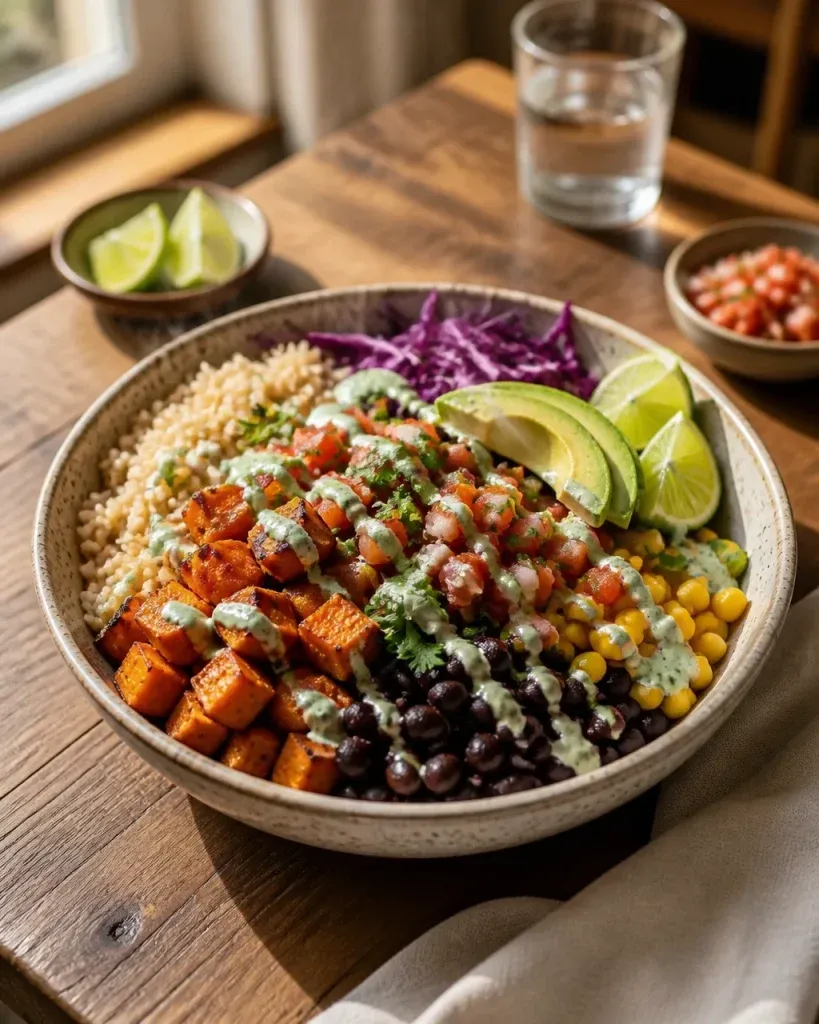
Some dinners need a little selling. Not this one. These sweet potato and black bean burrito bowls bring together smoky roasted vegetables, creamy beans, fresh salsa, fluffy grains, and plenty of lime in one cheerful bowl. They are filling without feeling heavy, flexible enough for picky eaters, and simple enough for a busy evening. If you are collecting healthy dinner ideas that still feel generous and comforting, start here.
Tips & Technique: Build Flavor Through Contrast
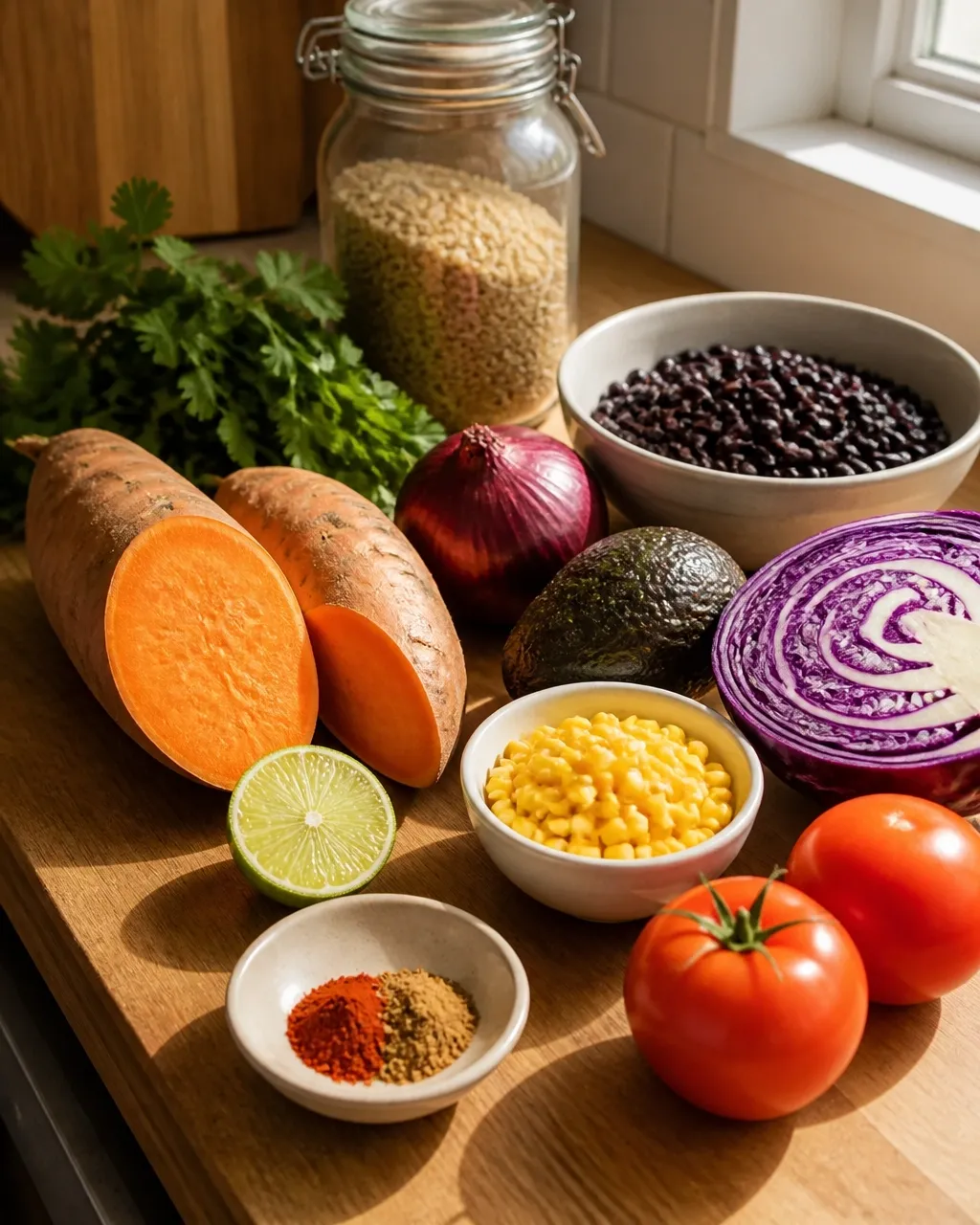
The secret to a brilliant burrito bowl is not adding twenty toppings. It is creating contrast. Aim for something sweet, something savory, something fresh, something creamy, and something with a little bite. When each part behaves differently, even a simple bowl tastes layered.
Roast sweet potatoes for caramelized edges
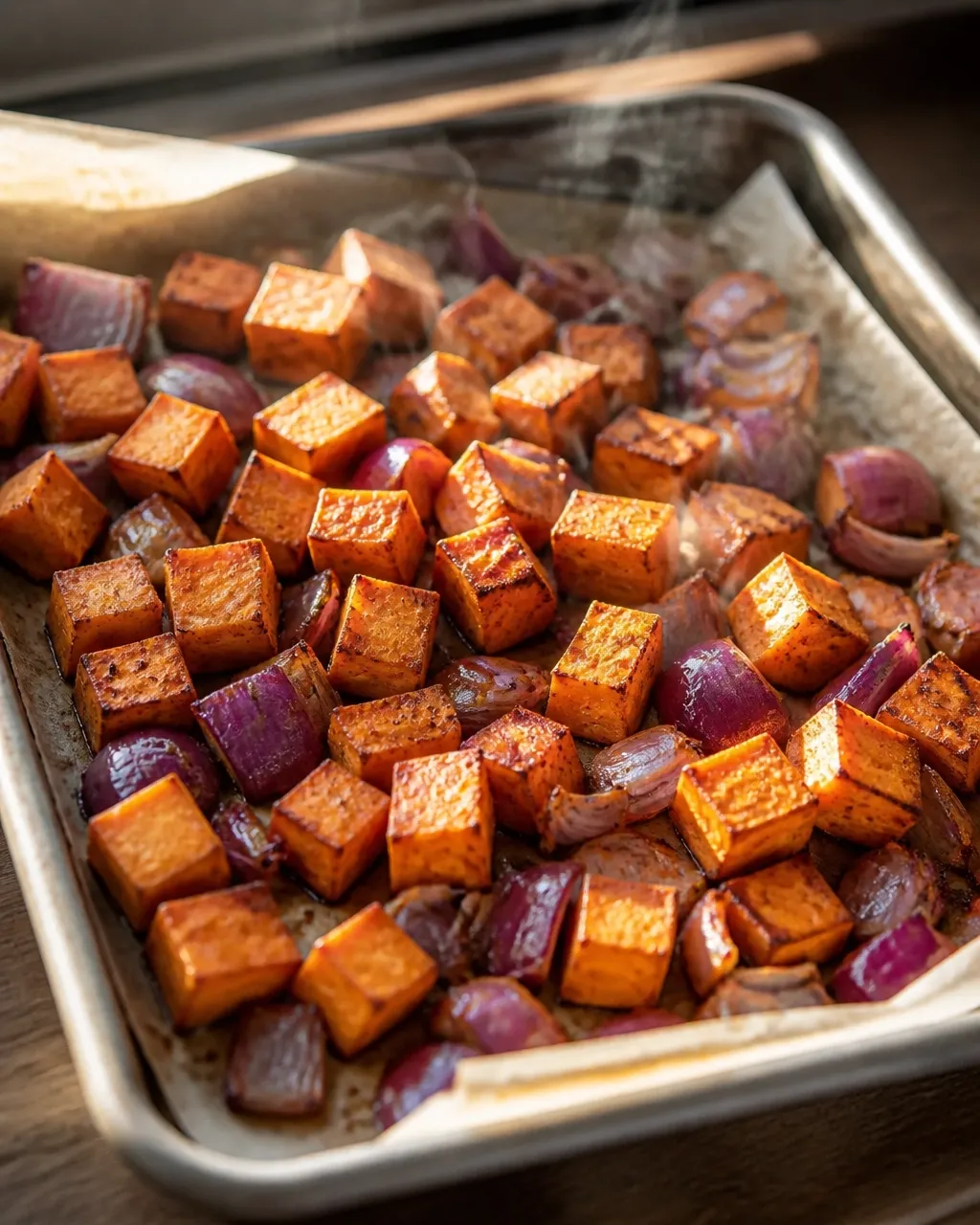
Give the sweet potatoes high, dry heat. Roasting around 400–425°F encourages the natural sugars at the surface to brown while the centers soften. Two bits of food science are working here: starches absorb moisture and become tender, while browning reactions create deeper toasted flavors on the exposed edges.
Do not crowd the pan. Leave room between the cubes so steam can escape. If the pieces sit shoulder-to-shoulder, they trap moisture and soften each other instead of browning. You want caramelized corners, not orange potato confetti that tastes like it took a sad bath.
Coat the cubes lightly with oil. Oil improves contact with the hot pan, helps transfer heat, and carries spices across the surface. Use enough to prevent dryness, but not so much that the potatoes become greasy. Turn or toss them partway through cooking so several sides get direct heat.
Keep the cuts reasonably similar in size. Perfect knife work is not required, but giant chunks and tiny scraps will not finish together. Smaller pieces brown quickly; larger ones need more time for the center to become creamy.
Season in layers, not all at once
Sweet potatoes bring natural sweetness, so smoky and earthy seasonings give them balance. Cumin adds warmth, smoked paprika brings gentle depth, and chili contributes a mild spark. Salt matters too because it sharpens the other flavors rather than simply making the dish salty.
Season the potatoes before roasting, then season the beans separately. This is non-negotiable if you want every bite to taste intentional. Beans have a soft, earthy flavor and need enough seasoning to stand up to sweet potato and rice. Warm them gently with aromatics and a splash of water so they stay creamy instead of drying out.
Add lime near the end. Heat dulls fresh citrus aroma, while late-added lime keeps its bright, sharp character. The acidity also balances the sweetness of the potatoes and the richness of avocado. Think of lime as the bowl’s volume control: without it, the flavors may sound a little flat; with it, everything becomes clearer.
Keep textures moving
A bowl becomes satisfying when it includes more than soft foods. Add crisp cabbage, juicy tomatoes, fresh corn, toasted seeds, or a handful of crunchy tortilla strips. These ingredients interrupt the softness of rice, beans, and avocado.
Use a base that supports the toppings without taking over. Brown rice gives a nutty, hearty foundation, while quinoa adds a lighter texture and extra protein. White rice works perfectly when you want the spices and toppings to lead. Choose what you already have; this is dinner, not an entrance exam.
Control moisture carefully. Wet salsa can make the grains soggy if you add too much, and creamy toppings can blur the roasted flavors. Spoon them over the top rather than stirring everything into one indistinct mixture. Build the bowl so each forkful can collect a little of everything.
Understand the role of fat
Avocado or a creamy lime sauce provides fat, and fat does useful flavor work. It spreads aromatic compounds across your palate and softens the sharp edges of chili, onion, and citrus. It also makes a fiber-rich bowl feel more complete.
Use rich toppings with a light hand. You do not need to drown the bowl in dressing. A few avocado slices or a modest drizzle is enough to create contrast without hiding the roasted vegetables.
For more weeknight guidance, browse Cookpedia’s healthy recipes and our guide to air-fryer roasted vegetables. The same rules apply: use high heat, avoid crowding, and finish with something bright.
Variations: Keep the Bowl Flexible
This recipe earns its place among quick family meals because everyone can assemble a version they actually want to eat. Set out the warm components and fresh toppings, then let each person build their own bowl. Fewer dinner negotiations? Beautiful.
Make it smoky and spicy
Add chipotle, roasted jalapeño, or a smoky salsa. Pair the heat with extra lime and creamy avocado. Acidity and fat soften the burn, so do not increase the chili without adding a balancing element.
Turn it into a taco salad
Skip the grains and use shredded lettuce or cabbage as the base. Add the beans and sweet potatoes while warm, then finish with salsa, avocado, cilantro, and crunchy tortilla strips. The vegetables stay hearty, but the bowl feels lighter.
Use an air fryer
For air fryer recipes dinner planning, roast the sweet potato cubes in a single layer so the hot air can circulate. Check them early because smaller pieces brown quickly. Cook the beans separately on the stovetop or warm them in the microwave while the potatoes crisp.
Add more plant protein
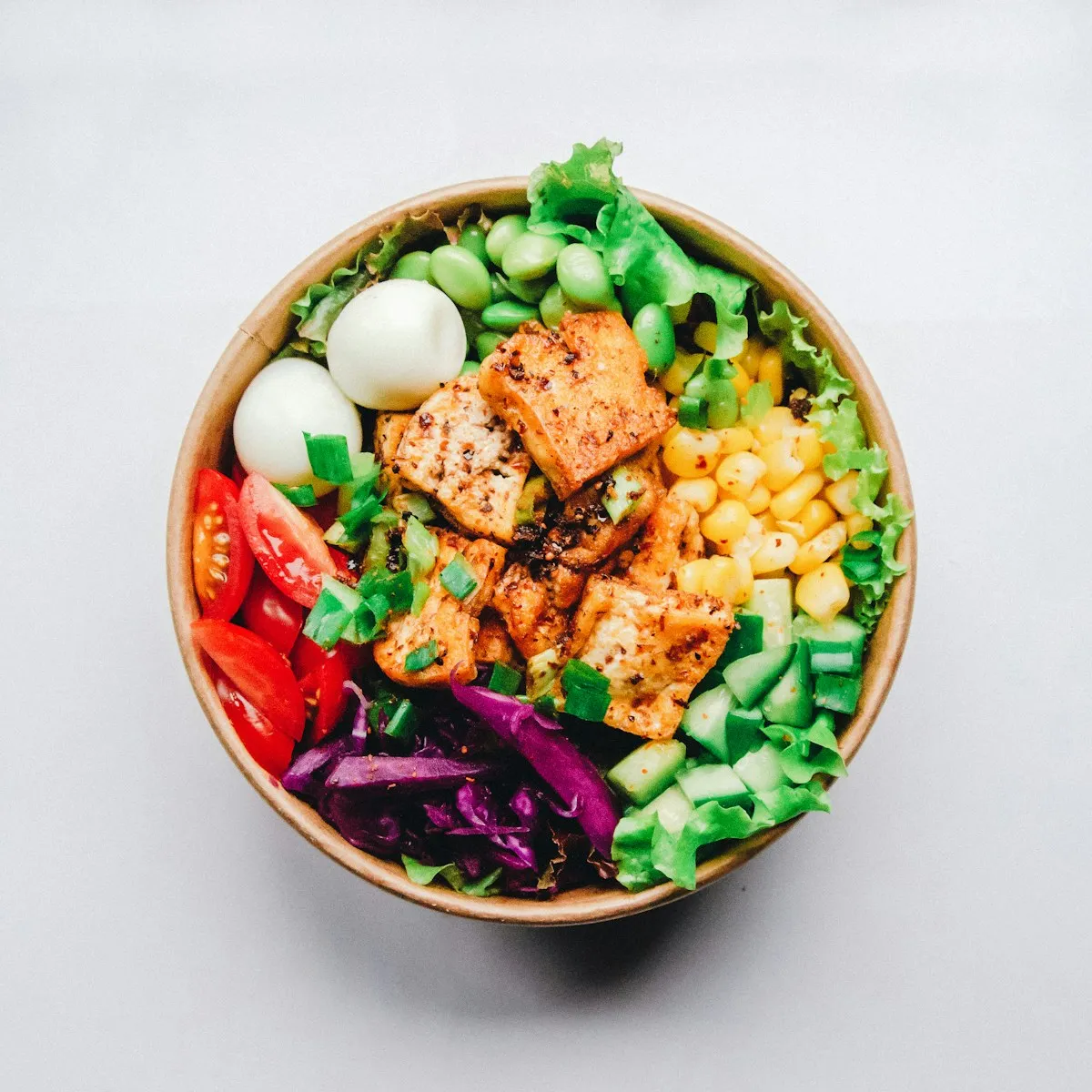
Fold in quinoa, edamame, or crisped tofu. Cookpedia’s teriyaki tofu with charred spring onions offers another useful lesson in plant-based texture: dry the surface well and allow browning to develop before adding sauce.
Make it breakfast-friendly
Top leftovers with a tofu scramble or a spoonful of savory beans. Add fresh salsa just before serving. Sweet potatoes and black beans are not strict about the clock, which is one of their better qualities.
Side Dish Pairings: Add Freshness, Not More Heaviness
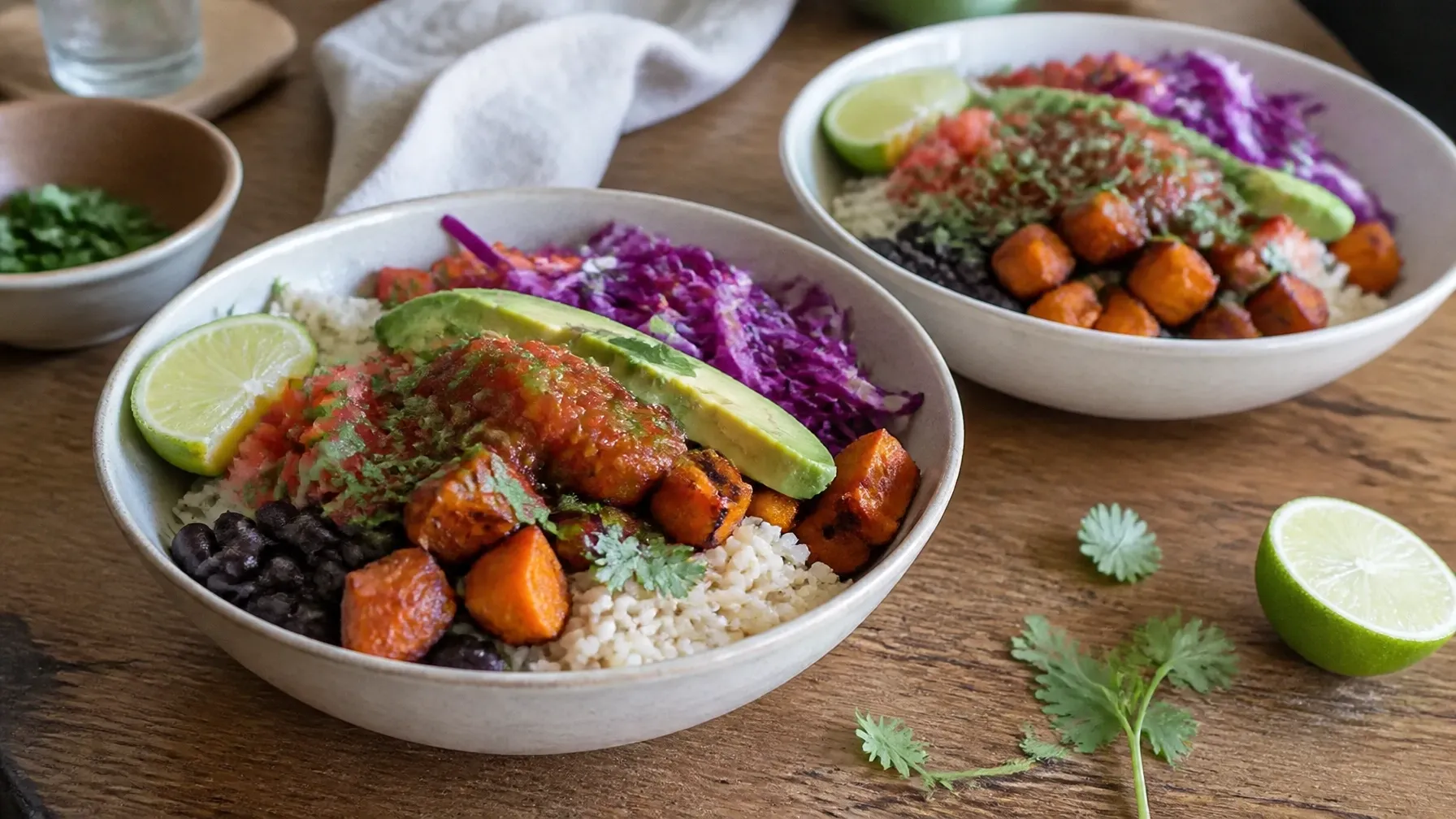
These bowls are already substantial, so choose sides that bring freshness, crunch, or acidity. A simple cabbage slaw with lime works especially well because its crisp texture contrasts with the soft beans and roasted potatoes.
Serve a cucumber, tomato, and red onion salad for a cool, juicy counterpoint. Keep the dressing sharp and light so it refreshes each bite rather than competing with the smoky spices.
Pickled onions are another excellent choice. Their acidity cuts through avocado and adds a vivid color contrast. Even a few slices can wake up the entire bowl.
For a larger spread, add corn salsa, a small green salad, or warm corn tortillas. Keep the sides simple. The goal is a balanced plate, not a countertop covered in tiny bowls that require their own seating plan.
FAQ: What If My Bowl Goes Wrong?
What if the sweet potatoes are soft but not browned?
Raise the heat slightly or give them more time, but check the pan first. If the cubes are crowded or coated in too much oil, they may be steaming. Spread them out and return them to the heat until the edges develop color. Browning needs a dry enough surface and enough direct heat.
What if the sweet potatoes burn before the centers are tender?
The pieces are probably too small, the pan may be too close to the heating element, or the oven may run hot. Cut larger, more even cubes next time and check them earlier. If the edges darken quickly, reduce the heat slightly and continue cooking until the centers soften.
What if my black beans taste bland?
Season them separately and warm them with a little water so the flavors can spread. Salt, cumin, garlic, and chili work well with their earthy character. Finish with lime after heating. Do not rely on salsa alone to season the beans; it will mostly flavor the surface of the finished bowl.
Can I add lime while the beans cook?
You can, especially when using canned beans, but add most of it at the end for the brightest flavor. Acid can slow the softening of dried beans if added early during cooking because it helps keep their skins and cell walls firm. Canned beans are already cooked, so the main concern is flavor rather than texture.
Why does my bowl taste too sweet?
Sweet potato, corn, and some salsas can push the bowl toward dessert territory. Add acidity first with lime or a sharp slaw. Then bring in savory depth through more seasoned beans, smoky spices, or toasted pumpkin seeds. Increase salt carefully; salt can balance sweetness, but too much will simply make the bowl salty.
How do I stop the rice from becoming soggy?
Cool and fluff the rice before assembling if you cooked it ahead. Drain watery salsa, and add creamy sauces at the table rather than mixing them through the grains. Build the bowl in separate sections so moisture does not spread everywhere.
Can I prepare these bowls ahead of time?
Yes. Store the roasted sweet potatoes, beans, grains, and fresh toppings separately. Reheat the warm components, then add avocado, salsa, cabbage, cilantro, and lime just before eating. Fresh toppings lose their texture when stored against hot, moist ingredients.
Are these bowls high in protein?
They provide plant protein from black beans and grains, with the final amount depending on your portions and toppings. Add quinoa, tofu, or edamame if you want a more protein-forward bowl. Include a variety of beans, whole grains, vegetables, and healthy fats rather than chasing one ingredient to do every job.
What if someone dislikes one of the toppings?
Serve the components separately and let everyone assemble their own bowl. Keep the essentials: seasoned beans, roasted sweet potatoes, and a grain: then offer toppings on the side. This format is one reason burrito bowls work so well as quick family meals: customization is built in, not treated as a kitchen emergency.
These bowls also belong in the regular rotation of healthy dinner ideas because they make simple ingredients taste genuinely exciting. Roast boldly, season each component, add lime at the finish, and protect your textures. That is the whole strategy: minimal fuss, maximum bowl happiness.