Recipe
Servings
Servings 1×
Ingredients
- Chickpeas
- Beans
- Quinoa
- Rice
- Bread
- Cauliflower
- Lemon
- Tahini
- Cooking oil
- Sesame
- Salt
Method
- Use a hot oven and give the florets room on the tray.
- Cut the florets into reasonably similar pieces, but do not panic over perfection.
- Pat them dry before roasting and remove any loose skins that come away easily.
- Keep chickpeas in a single layer, too.
- Season the cauliflower and chickpeas before roasting so the spices cling to their surfaces and toast gently.
- Finish the bowl with bright elements afterward.
If you want plant-based dinner ideas that feel satisfying rather than worthy-but-sad, start here. This roasted cauliflower and chickpea tahini bowl brings together crisp edges, creamy sauce, hearty texture, and enough color to make your dinner plate look like it has its life together. I love it for busy evenings because the oven does most of the flavor-building while you prepare the fresh finishing touches.
Tips & Technique: Let Dry Heat Do the Heavy Lifting
Brown the cauliflower instead of steaming it
Roasting works because dry, high heat drives moisture away from the surface of the cauliflower. Once the outside is dry enough, browning reactions can begin. That is where the nutty, toasted flavor comes from.
Use a hot oven and give the florets room on the tray. Treat spacing as non-negotiable. When vegetables are piled together, their moisture gets trapped, creating steam. Steam softens cauliflower; space helps it develop browned ridges and slightly crisp tips.
Cut the florets into reasonably similar pieces, but do not panic over perfection. A few smaller pieces will become deeply caramelized while larger ones stay tender inside. That contrast is exactly what makes a bowl interesting.
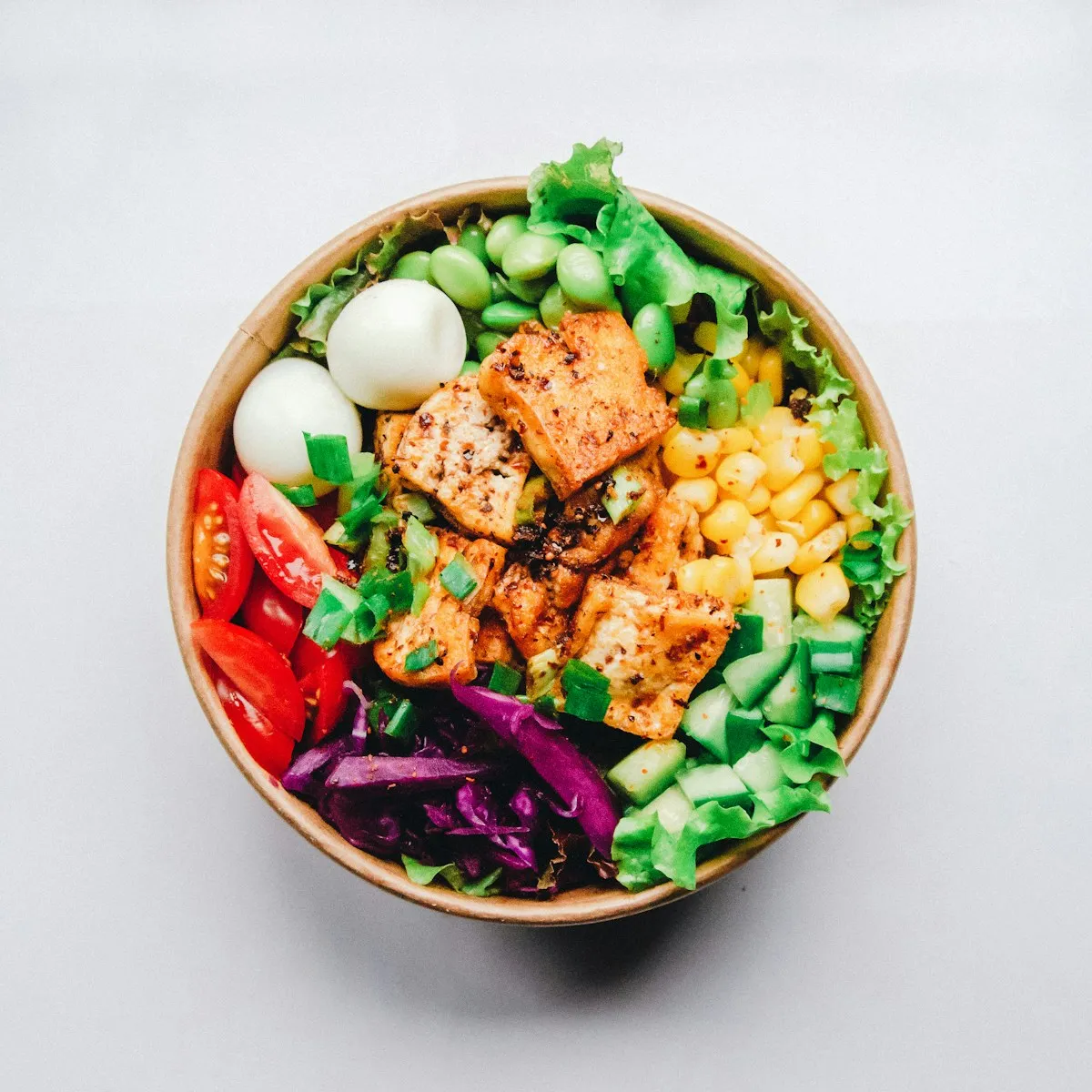
Dry chickpeas for better texture
Chickpeas bring protein, fiber, and a pleasant chew, but they can stay soft if their surface is wet. Pat them dry before roasting and remove any loose skins that come away easily. You do not need to turn this into a tiny bean spa treatment; just reduce excess moisture.
Keep chickpeas in a single layer, too. Their surfaces need direct contact with hot air to become golden and lightly crisp. They may not all crunch like snacks, and that is fine. Aim for a mix of tender centers and toasted exteriors.
Watch them near the end of roasting because chickpeas can go from pleasantly browned to aggressively crunchy with surprising speed. If your cauliflower needs longer, remove the chickpeas first or give them their own section of the tray.
Season in layers, not with one heroic dusting
Smoky paprika and cumin give the bowl warmth, but do not rely on spices alone. Salt helps the natural flavors come forward, while lemon and herbs provide the fresh contrast that keeps roasted vegetables from tasting heavy.
Season the cauliflower and chickpeas before roasting so the spices cling to their surfaces and toast gently. Finish the bowl with bright elements afterward. Fresh herbs contain delicate aromatic compounds that lose their lift under prolonged heat, so save them for the final flourish.
For more weeknight inspiration, browse Cookpedia’s vegetarian dinner recipes and 30-minute meals.
Understand the tahini “seize”
Tahini sauce has one slightly dramatic moment: it may suddenly become thick and pasty when lemon juice or water first hits it. Do not throw it out and do not accuse the sesame paste of betrayal.
Tahini contains finely ground sesame solids suspended in oil. When liquid is added, those solids hydrate and tighten into a thick mixture. Keep whisking and add more water gradually. The paste will eventually loosen into a smooth, pale emulsion.
Add liquid slowly because you can always thin a sauce, but rescuing a watery dressing requires more tahini and more whisking. Aim for a texture that pours from a spoon but still clings to the roasted vegetables.
Use acidity to balance richness
Tahini is creamy, nutty, and naturally a little bitter. Lemon juice cuts through that richness and makes the sauce taste lighter. It also gives the roasted cauliflower a sharper edge, which is important because browned foods can taste intense without a fresh counterpoint.
Taste the sauce after it becomes silky. If it feels flat, add a little more lemon or salt. If it tastes too sharp, soften it with a touch more tahini or a small amount of sweetness. Adjust thoughtfully rather than dumping in everything at once. Dinner is cooking, not a chemistry prank.
Build a bowl with contrast
A good bowl needs more than several foods placed in the same container. Pair the roasted elements with a base that is soft and grounding, such as quinoa, brown rice, or couscous. Add leafy greens or crisp vegetables for freshness, then use tahini sauce to connect everything.
Think in textures: tender, crisp, creamy, and crunchy. Think in flavors: smoky, lemony, earthy, and herbal. This balance is why the bowl feels complete even though every component is uncomplicated.
The combination also makes practical nutritional sense. Chickpeas and tahini contribute plant protein and fiber, while cauliflower and greens bring volume, color, and a range of nutrients. If you want a deeper look at simple nourishing meals, explore Cookpedia’s healthy recipes.
Variations: Keep the Formula, Change the Mood
Turn this bowl smoky and Middle Eastern-inspired with cumin, paprika, garlic, parsley, and a pinch of chili. Add za’atar at the end for a fragrant, sesame-forward finish. Serve it over quinoa or warm couscous when you want a filling dinner with plenty of chew.
For a brighter version, use lemon zest, dill, cucumber, and fresh mint. Keep the roasted cauliflower warmly seasoned, but let the raw toppings bring a cool, crisp contrast. This variation is especially good when you want the meal to feel lighter without making it skimpy.
Make it spicy with harissa, chili flakes, or a spoonful of hot sauce stirred into the tahini. Add roasted sweet potato for gentle sweetness. The sweet-and-spicy combination works because sweetness rounds out heat while lemon keeps the sauce from becoming too rich.
For a grain-free bowl, use a generous bed of greens or finely shredded cabbage. For extra staying power, add lentils or edamame alongside the chickpeas. If you are feeding people with different preferences, keep the sauce and toppings separate so everyone can build their own bowl.
This flexible approach is useful for quick family meals because one roasted tray can become several different dinners. Use leftovers in wraps, salads, or a warm pita the next day.
Side Dish Pairings: Add Freshness, Not More Heaviness
Pair the bowl with something crisp and acidic. A cucumber, tomato, and herb salad gives you juicy freshness and cuts through the tahini. A cabbage slaw with lemon or vinegar works just as well and adds a satisfying crunch.
Warm whole-grain flatbread is a smart choice when you want to scoop up the sauce. Keep it lightly toasted rather than heavily oiled; the bowl already has plenty of creamy richness.
For a more substantial spread, serve a small bowl of lentil salad or a simple vegetable soup alongside it. Avoid pairing roasted cauliflower with another dense, starchy casserole unless you are intentionally pursuing a very cozy dinner. In that case, carry on bravely.
Pickled onions, olives, or a few briny vegetables also work beautifully. Their sharp, salty flavor wakes up the earthy chickpeas and prevents every bite from tasting the same.
FAQ: What If My Bowl Does Not Turn Out Perfectly?
What if the cauliflower is soft instead of browned?
Your tray was probably crowded, your oven was not fully hot, or the cauliflower carried too much surface moisture. Spread the pieces out and roast them in a single layer. Use a wide tray rather than a deep baking dish, and avoid adding wet sauce until after roasting. Browning needs dry heat and exposed surfaces.
What if the chickpeas are not crispy?
First, check whether they were thoroughly dried. Next, check the spacing. Chickpeas packed tightly together steam instead of crisp. Roast them a little longer, but watch carefully because they can harden quickly. Remember that chickpeas often crisp further as they cool.
What if my tahini sauce becomes thick and lumpy?
Keep whisking. That thick stage is normal when tahini meets liquid. Add cold water gradually until the sauce relaxes and turns smooth. If it remains bitter, add more lemon, salt, or a tiny touch of maple syrup. Do not add a large amount of water all at once unless you enjoy chasing sauce around the bowl.
What if the tahini tastes too bitter?
Tahini brands vary, and older sesame paste can taste more assertive. Brighten it with lemon juice, then balance it with salt and a little sweetness if needed. Garlic and herbs can also redirect the flavor. If the bitterness is harsh or rancid, replace the tahini; no sauce can rescue spoiled sesame paste.
Can I make this in an air fryer?
Yes. An air fryer can brown cauliflower and chickpeas efficiently, making this a useful option when searching for air fryer recipes dinner. Work in batches if necessary. Overfilling the basket traps moisture and defeats the point of using circulating hot air.
How can I prepare the bowl ahead?
Cook the grain, roast the vegetables, and mix the tahini sauce separately. Refrigerate them in different containers so the cauliflower does not soften in the dressing. Reheat the roasted components uncovered, then add fresh greens, herbs, lemon, and sauce just before serving.
Is this bowl filling enough for dinner?
It can be, especially when you include a substantial grain or leafy base and a generous portion of chickpeas. Tahini adds richness, while the vegetables and chickpeas provide fiber and volume. For extra protein, add lentils, edamame, or baked tofu. Build the bowl around balance, not just a mountain of cauliflower.
Can I serve it cold?
Absolutely. The flavors become even more integrated after chilling, although the roasted pieces will lose some crispness. Serve it as a packed lunch, stuff it into a pita, or turn it into a salad. Add the tahini just before eating for the best texture.
This is one of those healthy dinner ideas that earns a permanent place in your rotation: simple enough for a Tuesday, flavorful enough to look forward to, and flexible enough to survive whatever is happening in your refrigerator.