Recipe
Servings
Servings 1×
Ingredients
- Chicken
- Salmon
- Tofu
- Chickpeas
- Pasta
- Greek yogurt
- Potatoes
- Asparagus
- Carrots
- Zucchini
- Mushrooms
- Onion
- Lemon
- Tahini
- Cooking oil
Method
- Use a heavy-bottomed Dutch oven or a deep skillet to maximize this effect.
- Cook everything in an oven-safe skillet on the stove until the liquid is mostly absorbed, then shove the whole thing under the broiler for two minutes.
- Use just enough liquid to barely cover the dry pasta and stir frequently to manage the starch release.
- Use just enough to cover the pasta and stir frequently to manage the starch.”,”@type”:”Answer”}},{“name”:”Is one-pot cooking actually healthier?”,”@type”:”Question”,”acceptedAnswer”:{“text”:”Yes, it retains water-soluble vitamins that are typically lost during draining.”,”@type”:”Answer”}}]},”@context”:”https://schema.org”,”headline”:”One-Pot vs.
You’re staring at the fridge at 6:00 PM, and the clock is ticking. You want a meal that doesn’t end with you scrubbing five different pans until midnight. You’ve likely heard the siren call of both the one-pot wonder and the trusty sheet pan dinner. But which one actually delivers the best results for your specific craving? I’ve tested both methods extensively in my own kitchen to settle the debate. Whether you’re looking for quick family meals or deep, developed flavors, the choice comes down to physics.
The Science of Sizzle: Moisture vs. Maillard
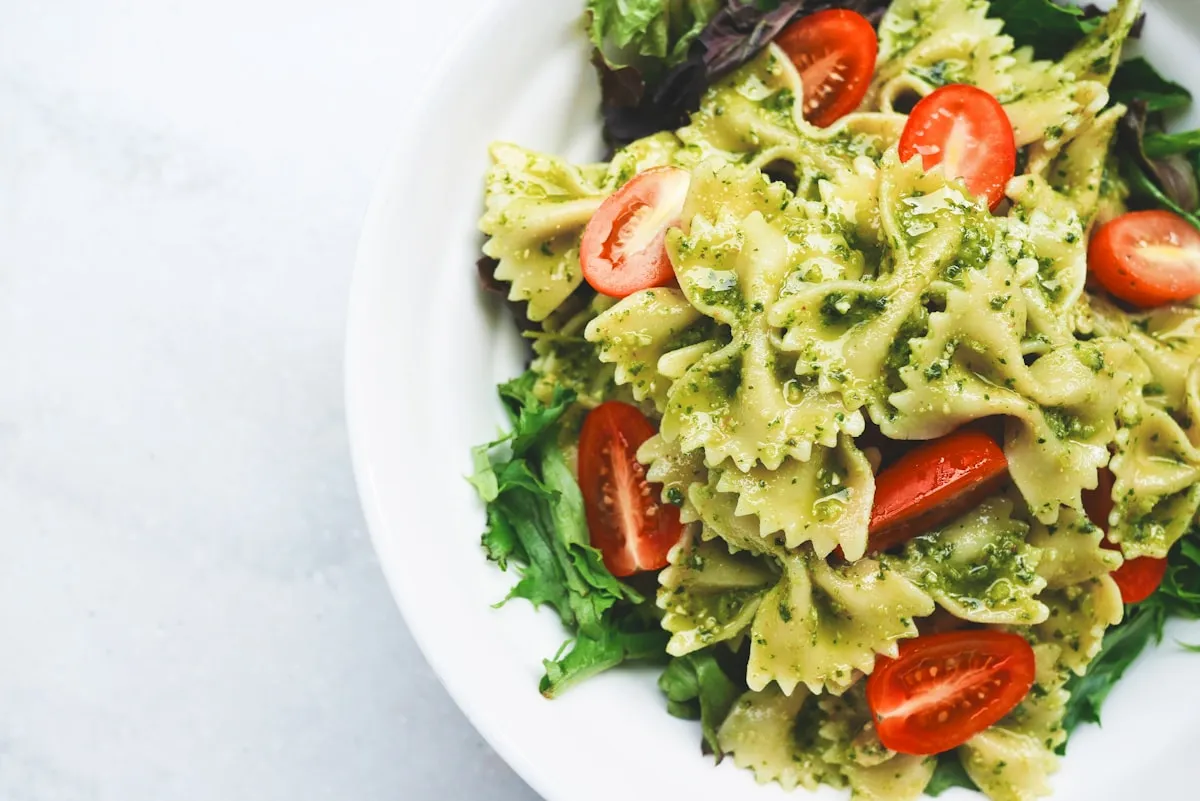
Choosing between a pot and a pan isn't just about the shape of your hardware; it’s about how you’re manipulating heat. When you choose a one-pot meal, you are essentially creating a humid, high-efficiency environment. Water and steam are far superior heat conductors compared to dry air. This is why a heavy pot allows ingredients to reach target internal temperatures simultaneously, a phenomenon called isothermal equilibration. Use a heavy-bottomed Dutch oven or a deep skillet to maximize this effect. The liquid inside acts as a thermal battery, holding a steady temperature and ensuring that your chicken thighs stay succulent while your grains soak up every drop of flavor.
On the flip side, the sheet pan is your ticket to the Maillard reaction, that magical chemical dance between amino acids and reducing sugars that gives you browned, crispy edges. Because a sheet pan is shallow and exposed, moisture evaporates quickly. This drying effect is a feature, not a bug. It concentrates the natural sugars in vegetables and crisps up proteins. However, this method relies on dry-air convection, which is a much slower heat transfer medium than liquid. To prevent your dinner from turning into leather, you must master the "microclimate" technique. Crowd your pan slightly with high-moisture vegetables like zucchini or mushrooms around your leaner proteins. This creates a localized humid zone that protects the meat while the edges of the pan provide the intense heat needed for browning.
Avoid the temptation to peek every five minutes. Every time you lift the lid on a pot or open the oven door for a pan, you’re dumping your hard-earned thermal energy into the kitchen. If you’re working with a one-pot dish, trust the steam. If you’re roasting on a sheet pan, ensure you’ve preheated your oven, and the pan itself, to kickstart the sear immediately. For those truly slammed nights where even the oven feels too slow, I often pivot to air fryer recipes dinner enthusiasts swear by, as they combine the best of convection with even smaller, faster-heating chambers. But for the true home-cooked feel, the battle remains between the pot and the tray.
Check your cookware’s material. Heavy cast iron or tri-ply stainless steel will always outperform thin, flimsy aluminum. Thicker metals distribute heat evenly, preventing those annoying scorched spots in the center of your pot or the warped corners of a cheap baking sheet. Remember, you want your food to cook from the contact with the metal and the ambient heat, not from a direct flame licking a thin piece of tin.
Mastering the Variations
The beauty of these methods is their adaptability. If a recipe calls for a sheet pan but you only have a deep skillet, you can adapt, but you must change your heat management. To turn a "roast" into a "braise," add a splash of stock and cover the skillet. You won’t get the crisp, but you’ll gain incredible tenderness. This is a great way to discover new healthy dinner ideas without needing a kitchen full of gadgets.
Conversely, if you want to give a one-pot pasta a bit more character, try the "stovetop-to-broiler" move. Cook everything in an oven-safe skillet on the stove until the liquid is mostly absorbed, then shove the whole thing under the broiler for two minutes. This dries out the top layer just enough to give you those coveted crispy cheese bits without sacrificing the creamy interior. It’s the ultimate hybrid move for a quick meal that tastes like it took hours.
For plant-based versions, the sheet pan is almost always the winner for texture. Tofu and chickpeas can get rubbery in a wet one-pot environment, but they transform into golden, crunchy nuggets when spread out on a tray. Just ensure you’re using enough oil to facilitate the heat transfer, fat is a better conductor than air, and it's the secret to that restaurant-quality crunch.
Balancing the Plate: Side Dish Pairings
One-pot meals tend to be rich, savory, and "heavy" because the flavors are all concentrated into a single sauce or broth. To balance this, always pair them with something high in acidity. A simple arugula salad with a sharp lemon vinaigrette or a bowl of quick-pickled red onions can cut right through the density of a beef stew or a creamy pasta.
Sheet pan meals, however, are often dry and textured. They beg for a "wet" component to tie everything together. Think along the lines of a herb-heavy chimichurri, a dollop of Greek yogurt, or even a simple tahini drizzle. If you’ve roasted a tray of Mediterranean chicken and vegetables, a cool tzatziki provides the necessary temperature and moisture contrast that makes the meal feel complete. When browsing for healthy options, look for pairings that offer a "counter-texture", crunchy against soft, or bright against deep.
Weeknight Cooking FAQ
What if my sheet pan vegetables are cooked but the chicken isn't?
This is a classic timing mismatch. To fix this, use the "staggered start" method. Dense root vegetables like potatoes and carrots need a 10-15 minute head start before you add quicker-cooking proteins like salmon or asparagus. Alternatively, cut your hardier vegetables into smaller pieces and keep your proteins whole to equalize the cooking time.
Can I make "one-pot" meals in an air fryer?
Technically, yes, though it’s more of a "one-basket" meal. While you can't easily cook a soup in there, you can certainly layer ingredients. Many air fryer recipes dinner fans love using small cake pans inside the basket to mimic a one-pot environment for saucier dishes. It’s a great way to scale down quick family meals for a smaller household.
Why does my one-pot pasta always turn out gummy?
You are likely using too much water or not enough heat. Pasta releases starch as it cooks; in a traditional pot of boiling water, that starch is diluted and drained. In a one-pot dish, that starch stays and creates the sauce. If you have too much liquid, the pasta overcooks before the sauce thickens. Use just enough liquid to barely cover the dry pasta and stir frequently to manage the starch release.
Is one-pot cooking actually healthier?
It can be! Because you aren't draining the cooking liquid, you retain water-soluble vitamins (like B and C) that are often lost when you boil and drain vegetables. It’s one of my favorite healthy dinner ideas for making the most of every ingredient. Just be mindful of the fats you add, as they won't be drained away either.
How do I stop my sheet pan from warping?
Warping happens when the metal expands unevenly due to rapid temperature changes. Avoid placing a cold pan into a screaming-hot oven, or vice versa. Investing in a heavy-duty, commercial-grade "half-sheet" pan made of aluminized steel will solve this problem permanently. They are thicker and designed to resist the "pop" that happens with cheaper trays.
Can I use frozen vegetables for these methods?
Use them with caution. Frozen vegetables release a significant amount of water as they thaw. In a one-pot dish, this just adds to the broth (though it might dilute your seasoning). On a sheet pan, however, that extra water will steam your food instead of roasting it. If you must use frozen on a tray, roast them at a higher temperature (425°F+) and don't crowd the pan, allowing that extra moisture to evaporate as quickly as possible.
{“@type”:”BlogPosting”,”image”:”https://cdn.marblism.com/AN3Cis2kRfj.webp”,”author”:{“name”:”Penny”,”@type”:”Person”},”faqPage”:{“@type”:”FAQPage”,”@context”:”https://schema.org”,”mainEntity”:[{“name”:”What if my sheet pan vegetables are cooked but the chicken isn’t?”,”@type”:”Question”,”acceptedAnswer”:{“text”:”Use the staggered start method: give dense vegetables a 10-15 minute head start before adding proteins.”,”@type”:”Answer”}},{“name”:”Why does my one-pot pasta always turn out gummy?”,”@type”:”Question”,”acceptedAnswer”:{“text”:”You are likely using too much liquid. Use just enough to cover the pasta and stir frequently to manage the starch.”,”@type”:”Answer”}},{“name”:”Is one-pot cooking actually healthier?”,”@type”:”Question”,”acceptedAnswer”:{“text”:”Yes, it retains water-soluble vitamins that are typically lost during draining.”,”@type”:”Answer”}}]},”@context”:”https://schema.org”,”headline”:”One-Pot vs. Sheet Pan: Which Is Better for Your Busy Weeknight? (We Tested Both)”,”publisher”:{“logo”:{“url”:”https://cookpedia.com/logo.png”,”@type”:”ImageObject”},”name”:”Cookpedia”,”@type”:”Organization”},”description”:”A deep dive into the science of one-pot vs. sheet pan cooking. Learn which method is faster, healthier, and better for your busy weeknight routine.”,”datePublished”:”2026-07-15″,”mainEntityOfPage”:{“@id”:”https://cookpedia.com/one-pot-vs-sheet-pan”,”@type”:”WebPage”}}