Recipe
Servings
Servings 1×
Ingredients
- Tofu
- Chickpeas
- Pasta
- Potatoes
- Sweet potatoes
- Cauliflower
- Avocado
- Onion
- Garlic
- Lemon
- Coconut milk
- Cream
- Cooking oil
Method
- Let’s break down which method earns its spot on your stove tonight.
- Use a heavy lid to create a closed environment where steam can circulate, gently softening even the toughest cuts of meat or heartiest root vegetables.
- Use a high-smoke-point oil like avocado or grapeseed to ensure you get that sear without filling your kitchen with smoke.
- Use different liquids like coconut milk, bone broth, or even a dry white wine to change the profile of your dish.
You just walked through the door after a long day, and the "what's for dinner?" panic starts to set in. You want something delicious, but you definitely don't want to spend an hour scrubbing four different pans. This is where the great debate of one pot meals versus sheet pan dinners begins. Both promise minimal cleanup and maximum flavor, but they rely on completely different scientific principles to get you to the finish line. Let’s break down which method earns its spot on your stove tonight.
The Science of Simmering vs. The Magic of Maillard
When you choose to cook everything in a single vessel, you aren't just saving dishes; you are choosing a specific chemical outcome. One pot meals rely heavily on flavor integration and liquid-based heat transfer. As your ingredients sit together in a dutch oven or deep skillet, water-soluble flavor compounds from your aromatics: like garlic, onions, and herbs: dissolve into the liquid and penetrate the proteins and grains. This creates a cohesive, deeply layered taste that you simply cannot get by cooking components separately.
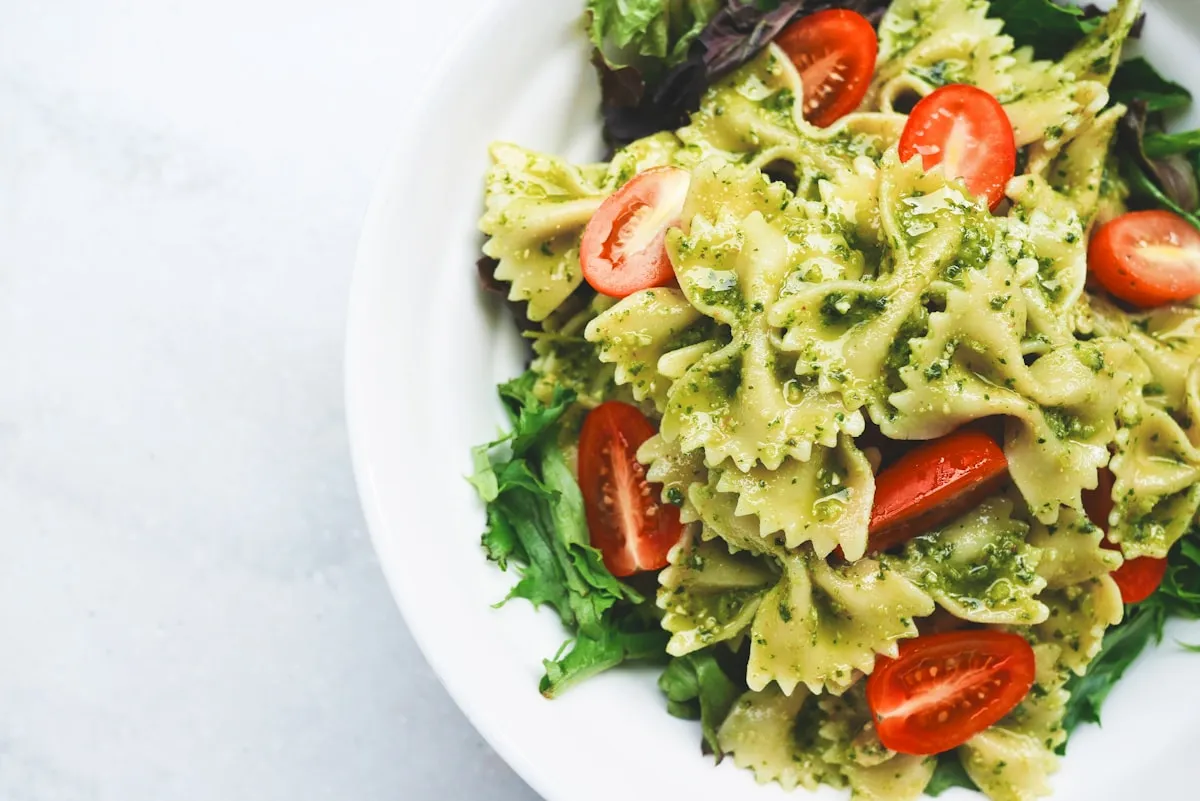
Technically speaking, you are managing moisture. Use a heavy lid to create a closed environment where steam can circulate, gently softening even the toughest cuts of meat or heartiest root vegetables. If you are making one pot pasta, pay close attention to your liquid ratios. The starch from the pasta leaches into the sauce, acting as a natural emulsifier that creates a silky, restaurant-quality texture without the need for extra cream or thickeners.
On the flip side, sheet pan dinners are all about the Maillard reaction. This is the chemical reaction between amino acids and reducing sugars that gives roasted food its distinctive browned, savory flavor. Unlike the wet environment of a pot, a sheet pan utilizes dry, convective heat. To master this, avoid overcrowding your pan at all costs. If your vegetables are too close together, they will release moisture and steam each other, leaving you with a mushy mess instead of those coveted crispy edges.
Check your oven temperature frequently; most roasting requires a minimum of 400°F (200°C) to effectively trigger browning before the interior of your food overcooks. Use a high-smoke-point oil like avocado or grapeseed to ensure you get that sear without filling your kitchen with smoke. While sheet pans excel at texture, they lack the "sauce" factor of a pot, so always finish these meals with a splash of acidity: think lemon juice or a bright vinaigrette: to bridge the flavors together.
Balancing Your Base: Smart Variations
The beauty of these techniques is their flexibility. If you're bored with the usual rotation, swap your base grains or proteins to keep things interesting. For a sheet pan approach, focus on "hard" vegetables like cauliflower, Brussels sprouts, and sweet potatoes that can stand up to high heat. If you want to incorporate more healthy dinner ideas into your routine, try roasting chickpeas or firm tofu alongside your greens. They provide a satisfying crunch that mimics croutons but with a much higher nutritional payoff.
For those leaning into the stovetop method, think beyond basic stews. Use different liquids like coconut milk, bone broth, or even a dry white wine to change the profile of your dish. If you find yourself in a total time crunch, remember that your equipment can work together. Many air fryer recipes dinner enthusiasts use their machine to prep specific components: like crispy tofu or seasoned croutons: to top their one-pot creations right before serving. This adds a textural contrast that simmering alone can't achieve.
Side Dish Pairings for Perfect Balance
While both methods aim to be a complete meal, a well-chosen side can elevate the entire experience. When serving a rich, savory pot-based dish, you need high-contrast acidity to cut through the weight. A simple arugula salad with a sharp lemon-shallot dressing is non-negotiable here. It refreshes the palate between bites of a heavy ragu or curry.
Conversely, sheet pan dinners often benefit from something creamy or cooling. If you’ve roasted a tray of spicy chicken and peppers, serve it with a side of Greek yogurt mixed with lime and cilantro. This creates a "dip" element that provides a relief from the concentrated, roasted flavors. Avoid serving heavy, starchy sides with sheet pan meals; usually, the pan already has potatoes or squash on it. Instead, lean into fresh, raw greens to provide a temperature and texture contrast that makes the meal feel complete.
Troubleshooting Your Quick Family Meals
Why did my one-pot meal turn into a giant pile of mush?
This usually happens because of timing. Don't throw all your ingredients in at the start. Use a "staggered" approach. Start with your aromatics and proteins, then add grains and liquids, and save delicate greens or quick-cooking seafood for the last five minutes of the process. This ensures every component maintains its integrity.
How do I prevent my sheet pan from burning on the bottom?
Check your rack position. If your pan is too close to the bottom heating element, the underside of your veggies will char before the tops are cooked. Move your rack to the center of the oven. Also, ensure you are using a heavy-gauge rimmed baking sheet; thin pans warp and distribute heat unevenly, leading to "hot spots" that ruin your quick family meals.
Can I convert any recipe into a one-pot version?
Most can, but you must account for liquid absorption. If a recipe usually calls for boiling pasta separately, you’ll need to add roughly 1.5 to 2 cups of extra liquid for every 4 ounces of dry pasta when cooking it directly in the sauce. Keep a kettle of hot broth nearby to adjust the consistency as you go.
My sheet pan meal is dry; what did I do wrong?
You likely skipped the fat. Fat is the conductor for heat in a dry oven. Coat every piece of food in a thin, even layer of oil. If it still feels dry after cooking, it’s a flavor issue, not a heat issue. Always have a "finishing touch" ready: a dollop of pesto, a squeeze of lime, or a drizzle of tahini can transform a dry tray into one of your favorite healthy dinner ideas.
What if I don't have a large enough pan for my family?
Never crowd the pan! If you have too much food for one sheet, use two and rotate them halfway through cooking. Crowding is the number one enemy of flavor. For pots, ensure your vessel is only about two-thirds full to allow for proper bubbling and evaporation without messy boil-overs.
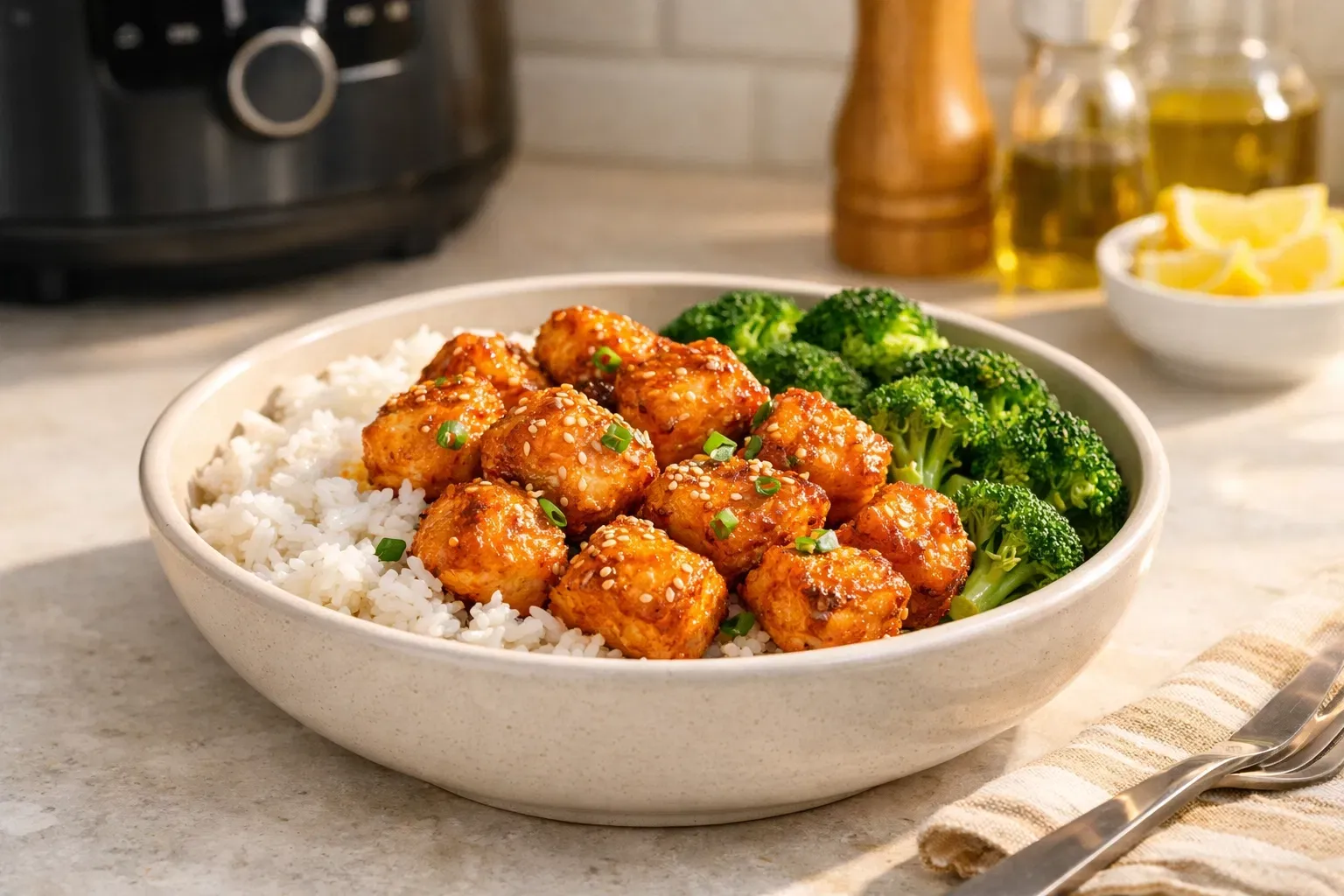
Whether you choose the deep, melded flavors of a pot or the caramelized crunch of a tray, mastering these two techniques is the key to conquering your weeknight schedule. Experiment with both and see which fits your rhythm best: your dishwasher (and your stomach) will thank you.
{“@type”:”FAQPage”,”@context”:”https://schema.org”,”mainEntity”:[{“name”:”Why did my one-pot meal turn into a giant pile of mush?”,”@type”:”Question”,”acceptedAnswer”:{“text”:”This usually happens due to poor timing. Avoid adding all ingredients at once. Use a staggered approach by starting with aromatics and proteins, then adding grains, and finally adding delicate vegetables or seafood in the last few minutes of cooking.”,”@type”:”Answer”}},{“name”:”How do I prevent my sheet pan from burning on the bottom?”,”@type”:”Question”,”acceptedAnswer”:{“text”:”Ensure your oven rack is in the center position rather than close to the bottom heating element. Additionally, use a heavy-gauge rimmed baking sheet to provide more even heat distribution and prevent warping.”,”@type”:”Answer”}},{“name”:”Can I convert any recipe into a one-pot version?”,”@type”:”Question”,”acceptedAnswer”:{“text”:”Yes, but you must adjust the liquid. You typically need to add 1.5 to 2 cups of extra liquid for every 4 ounces of dry pasta to account for absorption. Keeping extra hot broth on hand helps you adjust the consistency during the cooking process.”,”@type”:”Answer”}},{“name”:”My sheet pan meal is dry; what did I do wrong?”,”@type”:”Question”,”acceptedAnswer”:{“text”:”Dryness is often caused by a lack of fat or missing an acidic finish. Ensure all ingredients are thinly coated in oil before roasting, and always finish the dish with an acidic element like lemon juice, pesto, or a vinaigrette to add moisture and brightness.”,”@type”:”Answer”}}]}