Recipe
Servings
Servings 1×
Ingredients
- Chicken
- Salmon
- Shrimp
- Ground turkey
- Tofu
- Chickpeas
- Black beans
- White beans
- Beans
- Quinoa
- Orzo
- Penne
- Pasta
- Noodles
- Rice
- Eggs
- Greek yogurt
- Potatoes
Method
- Brown your proteins, whether it is chicken thighs, sliced sausage, or cubed tofu, in high heat before you add a single drop of liquid.
- Use a wide, shallow pot to maximize the surface area for evaporation, which concentrates flavors as the liquid reduces.
- Layer your vegetables with surgical precision.
- Add hard, fibrous vegetables like carrots or potatoes at the beginning so they have time to soften.
- Start with a classic Greek Lemon Chicken and Rice, where the chicken fat renders directly into the grains.
- Use the air fryer to crisp up a topping, like breadcrumbs or chickpeas, while your main base simmers in the pot.
Nothing humbles a home cook faster than a sink full of crusty dishes after a thirty-minute dinner scramble. You deserve a better ending to your evening than scrubbing a mountain of stainless steel. That is where the magic of the single vessel comes in. By consolidating your ingredients into one heavy-bottomed pot or skillet, you aren't just saving your cuticles; you are actually building deeper, more cohesive flavors that separate pots simply cannot replicate.
The Science of Simmering: Why One Pot Works Better
When you commit to these streamlined dinners, you are engaging in a sophisticated game of heat management and starch manipulation. The primary scientific advantage here is the preservation of the "fond", those brown, caramelized bits that stick to the bottom of your pan after searing meat or aromatics. In multi-pot cooking, those bits are often lost or washed away. Here, you deglaze them directly into your cooking liquid, ensuring that every drop of savory goodness is reincorporated into your one pot meals.
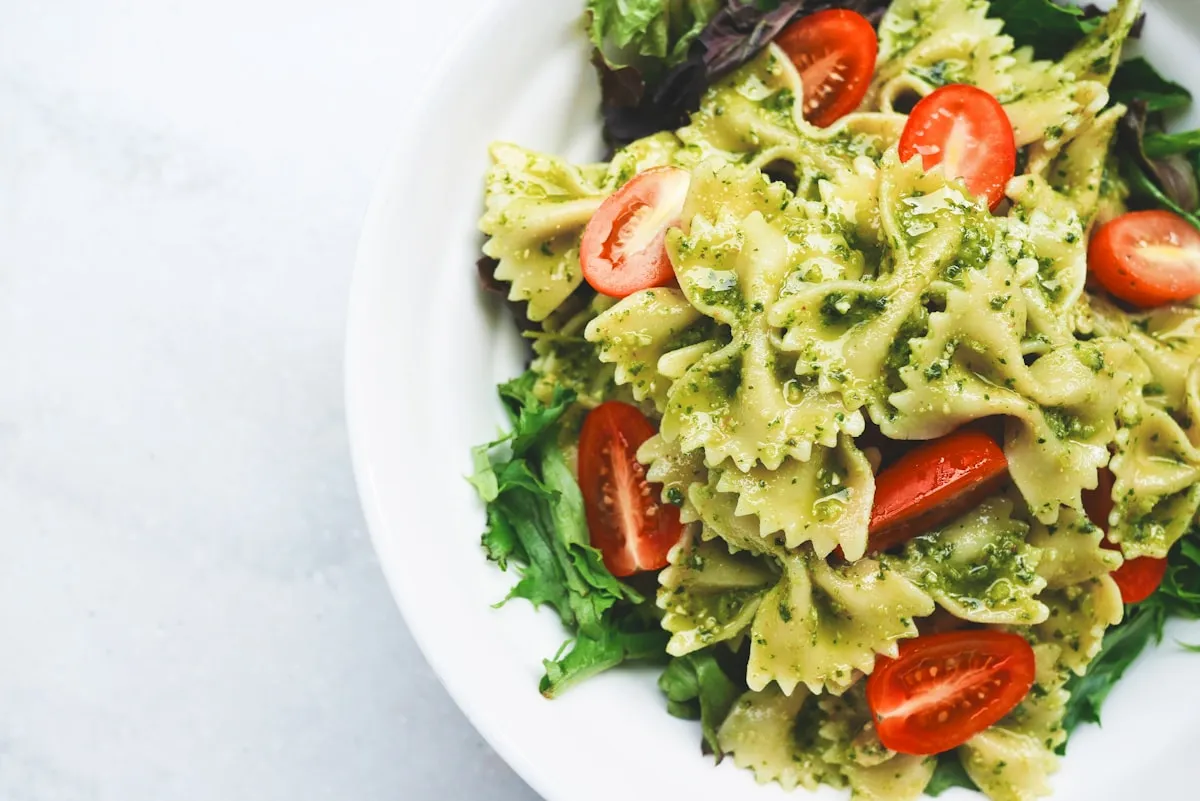
Mastering the Maillard reaction is your first non-negotiable task. Brown your proteins, whether it is chicken thighs, sliced sausage, or cubed tofu, in high heat before you add a single drop of liquid. This chemical reaction between amino acids and reducing sugars creates hundreds of different flavor compounds. Once you’ve achieved that golden-brown crust, remove the protein briefly and toss in your aromatics. Onions, garlic, and ginger act as sponges for the fat and flavors left behind.
Control your starch release to achieve that "restaurant-quality" glossy sauce without adding heavy cream. When you cook pasta or rice directly in a mixture of broth and water, the starch granules swell and eventually burst, leaking into the liquid. This creates a natural emulsion that coats every noodle or grain. Use a wide, shallow pot to maximize the surface area for evaporation, which concentrates flavors as the liquid reduces.
Layer your vegetables with surgical precision. Add hard, fibrous vegetables like carrots or potatoes at the beginning so they have time to soften. Save delicate greens, like spinach or basil, for the final thirty seconds of residual heat. This prevents your quick family meals from turning into a muddy, overcooked mess. Always maintain a gentle simmer rather than a violent boil; the latter will toughen your proteins and break down your starches too quickly, leaving you with mush.
20 Ways to Master the Single Vessel
You don’t need a culinary degree to execute these twenty concepts; you just need to understand how ingredients behave under pressure. Start with a classic Greek Lemon Chicken and Rice, where the chicken fat renders directly into the grains. Move on to a spicy Sausage and Penne skillet where the pasta absorbs the spicy oils of the meat. For a plant-based win, a Quinoa and Black Bean Chili relies on the grain’s high protein and starch to thicken the broth naturally.
Consider a Beef and Guinness Stew for those slow-cooker vibes in a Dutch oven, or a vibrant Shakshuka where the eggs poach directly in a spiced tomato bath. If you are looking for healthy dinner ideas, a Sweet Potato and Chickpea Curry provides a massive nutrient punch with almost zero cleanup. You can even adapt your favorites into this format, like a Thai Red Curry with shrimp or a creamy Salmon and Pea pasta that uses the pasta water as its base.
Try a Sausage and White Bean Gnocchi for a texture contrast, or a Turkey and White Bean Chili for a leaner profile. Don't overlook the "unconventional" one-pot wonders like a Teriyaki Chicken and Broccoli Rice or a smoky One-Pot Jambalaya. For those nights when you need something light, a Shrimp and Orzo with Lemon provides acidity and brightness. You can even tackle a simplified Spanish Paella or a Beef and Broccoli noodle dish using the same foundational browning and simmering techniques.
Dietary Shifts: Adapting for Every Lifestyle
One of the greatest myths is that these meals are always heavy on carbs. If you are following a keto or low-carb lifestyle, swap the rice for cauliflower rice or the pasta for zoodles. When using cauliflower rice, add it at the very end. Since it doesn’t need to absorb liquid like traditional grains, you only want to steam it through to maintain its bite. This keeps your healthy dinner ideas fresh and crunchy rather than soggy.
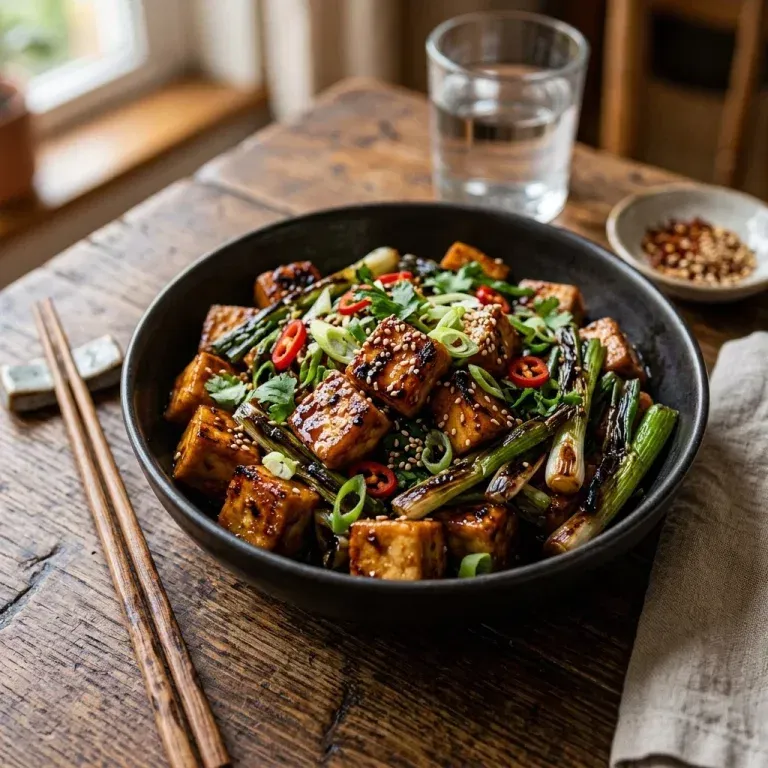
For plant-based eaters, focus on the "sear" even more intently. Mushrooms and tofu benefit immensely from a hard sear in the pot before the liquid hits. This creates a meaty texture that holds up during the simmering process. If you find yourself frequently using air fryer recipes dinner, you can actually combine techniques. Use the air fryer to crisp up a topping, like breadcrumbs or chickpeas, while your main base simmers in the pot. This adds a crucial textural element that one-pot cooking sometimes lacks.
The Art of the Side Dish: Balancing the Richness
Because these meals are often "complete," your side dishes should serve as functional contrast. If you are serving a heavy, starch-laden pasta or a creamy stew, avoid heavy breads. Instead, reach for high-acidity pairings. A simple arugula salad with a sharp lemon vinaigrette cuts through the fat and resets your palate between bites.
Think about temperature and texture. A cold, crunchy slaw provides a necessary break from a warm, soft risotto or curry. If your main dish is particularly savory or "umami-forward," like a beef stew, pair it with something bright and bitter, like charred broccolini or roasted radishes. These pairings ensure that your quick family meals feel like a multi-course experience without the extra labor.
One-Pot Troubleshooting: Your Science-Backed FAQ
Why does my pasta always come out gummy?
Gummy pasta is usually the result of too much starch and too little water, or not stirring enough during the first few minutes. When pasta hits the water, it releases a burst of surface starch. If you don't stir, those noodles will fuse together. Also, ensure you are using a large enough pot so the pasta isn't overcrowded, which prevents the heat from circulating evenly.
Can I use frozen meat in these recipes?
Avoid this at all costs. Frozen meat releases a massive amount of water as it thaws, which will steam your food rather than sear it. This prevents the Maillard reaction from occurring, leaving your meat grey and flavorless. Thaw your proteins completely and pat them dry with a paper towel before they touch the pan.
My rice is cooked on the bottom but crunchy on top. What happened?
This is a classic heat distribution issue. You likely had your heat too high, causing the bottom liquid to evaporate or burn before the steam could cook the top layer. Use a heavy, tight-fitting lid to trap steam, and once the liquid reaches a simmer, turn your heat to the lowest possible setting. Don't be afraid to let it sit, covered and off the heat, for five minutes after the timer goes off to let the moisture redistribute.
How do I prevent my dairy from curdling in the pot?
High heat and acidity are the enemies of dairy. If you are adding cream, yogurt, or cheese, do it at the very end after you have removed the pot from the heat source. The residual heat is more than enough to melt cheese or warm through cream without breaking the emulsion.
Can I incorporate air fryer recipes dinner into this routine?
Absolutely. While the pot does the heavy lifting for the base, the air fryer is perfect for "finishing" components. If your one-pot meal needs a crunchy element, like croutons for a soup or crispy onions for a casserole, the air fryer handles those in minutes while your pot is simmering. This keeps your kitchen workflow efficient and your textures varied.
Is it possible to overcook the vegetables?
Yes, and it’s the most common mistake. Treat your vegetables like a schedule. Root vegetables go in at T-minus 20 minutes, cruciferous vegetables like broccoli at T-minus 8 minutes, and peas or greens at T-minus 1 minute. Follow this hierarchy, and you will never have to eat a mushy carrot again.
{“@type”:”BlogPosting”,”image”:”https://cdn.marblism.com/o7hGxcgKPrW.webp”,”author”:{“name”:”Cookpedia”,”@type”:”Person”},”@context”:”https://schema.org”,”headline”:”The Ultimate Guide to One Pot Meals: 20 Recipes to Get You Started”,”publisher”:{“logo”:{“url”:”https://cookpedia.com/logo.png”,”@type”:”ImageObject”},”name”:”Cookpedia”,”@type”:”Organization”},”description”:”Learn the science and technique behind perfect one pot meals. This comprehensive guide offers 20 recipe ideas, tips for starch management, and flavor balancing for busy home cooks.”,”datePublished”:”2026-07-16″,”mainEntityOfPage”:{“@id”:”https://cookpedia.com/ultimate-guide-one-pot-meals”,”@type”:”WebPage”}}