Recipe
Servings
Servings 1×
Ingredients
- Chicken
- Pork
- Ground turkey
- Pasta
- Bread
- Broccoli
- Asparagus
- Kale
- Tomatoes
- Onion
- Lemon
- Cream
- Hard cheese
- Cooking oil
- Black pepper
Method
- Prepare the ingredients described in the article and heat the cooking surface or oven as directed.
- Cook the main ingredients using the heat and timing guidance in the article.
- Finish with the seasonings and garnishes named in the article, then serve.
If you’ve ever stared at a bag of gnocchi and wondered how to turn those tiny potato pillows into a cohesive dinner without washing four different pans, you’ve come to the right place. This isn't just about throwing things into a skillet and hoping for the best; it’s about a calculated dance of chemistry and heat management. We are taking the humble one-pot approach and upgrading it with a bit of technical fluency to ensure your sauce is silky, your sausage is perfectly browned, and your kale hasn't turned into a sad, gray mess.
The Science of the Skillet: Maillard and Starch Emulsification
To master this dish, you have to understand why we do things in a specific order. It all starts with the Maillard reaction. When you toss that spicy sausage into the pan, you aren't just "cooking" it; you’re facilitating a chemical reaction between amino acids and reducing sugars. This happens at temperatures above 285°F (140°C). If you crowd the pan or add liquid too early, the surface temperature drops, the meat steams, and you lose that complex, nutty, savory profile that only browned meat provides. You want to see that "fond", the brown bits stuck to the bottom. That is concentrated flavor gold.
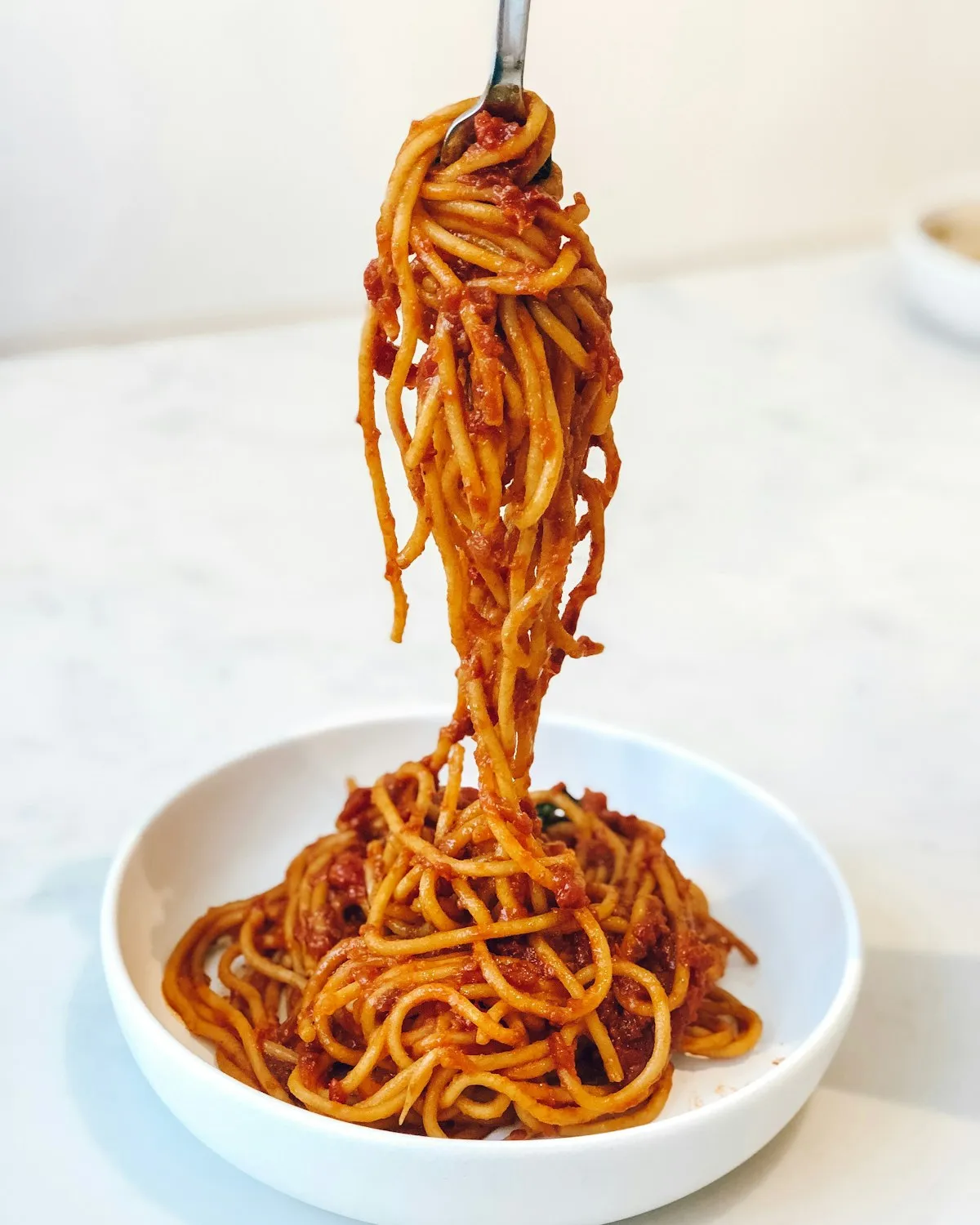
Once your meat is browned and the fat is rendered, we move into the starch gelatinization phase. Unlike traditional pasta where you boil and drain, cooking gnocchi directly in the sauce allows the potato starch to leach into the liquid. As the temperature hits roughly 140°F to 170°F, those starch granules swell and burst, releasing amylose and amylopectin. These molecules create a tangled network that thickens your liquid into a velvety sauce.
But here’s the kicker: we need an emulsion. A creamy sauce is a fat-in-water emulsion. By using the starch from the gnocchi and the proteins from a splash of heavy cream or Parmesan, you are stabilizing the rendered sausage fat within the chicken broth. Use a firm, constant stir to mechanically disperse the fat into tiny droplets. If your heat is too high for too long, the proteins will denature and aggregate, causing the sauce to "break" and leave you with a greasy puddle. Keep it to a gentle simmer.
Check the texture of your gnocchi frequently. Over-agitation or over-cooking leads to "gluey" gnocchi, where the starch network becomes too dense. For those looking for quick family meals that don't sacrifice texture, timing is your most important variable. If you’re a fan of high-efficiency cooking, you might also enjoy our air fryer sausage and pepper medley for a different take on rapid flavor development.
Technical Variations for Flavor Optimization
While the spicy sausage provides a robust heat, you can manipulate the flavor profile by swapping the protein or adjusting the acidity. If you want a leaner profile that still hits the mark for healthy dinner ideas, try using a high-quality turkey sausage. However, remember that turkey fat has a lower melting point and less saturated fat than pork, so you might need a teaspoon of olive oil to help the Maillard reaction along without burning the meat.
If you find the richness of the cream and sausage fat overwhelming, you need to introduce an acid to achieve chemical balance. A squeeze of fresh lemon juice or a splash of dry white wine during the deglazing phase works wonders. The acid helps break down the perception of "heaviness" on the tongue by tightening the protein structures and providing a bright contrast to the savory umami of the fond. For those who prefer a red-sauce base, you can adapt the technique from our one-pot spicy tomato basil linguine to create a hybrid gnocchi dish that leans more into lycopene-rich tomato territory.
For a vegetarian pivot, use smoked sun-dried tomatoes and a pinch of smoked paprika. You won't get the same animal-fat rendering, but the paprika provides that "meaty" depth through volatile aromatic compounds that mimic the smokiness of cured sausage. Just be sure to bloom your spices in the fat first to unlock their full potential.
Balancing the Plate: Side Dish Pairings
Since this one-pot wonder is quite dense in carbohydrates and fats, your side dishes should focus on high fiber and high acidity to cleanse the palate. A crisp, green salad with a sharp lemon-shallot vinaigrette is a non-negotiable. The acetic acid in the vinegar cuts right through the starch-heavy sauce of the gnocchi.
Avoid starchy sides like bread unless you’re feeding a group with massive caloric needs; the gnocchi already provides a significant glucose load. Instead, think about bitter greens. If you didn't put enough kale in the pot, serve a side of roasted broccolini or sautéed rabe. The slight bitterness of these vegetables counters the sweetness of the caramelized onions and the richness of the sausage. If you’re into the "set it and forget it" side dish lifestyle, you can even toss some veggies into the air fryer while the gnocchi simmers, many of our air fryer recipes dinner enthusiasts swear by air-fried asparagus as the ultimate low-effort pairing.
FAQ: Troubleshooting the Science
Why did my sauce turn out thin and watery?
This usually happens if you add too much liquid too quickly or if you don't allow the gnocchi enough time to release their surface starch. Starch gelatinization takes a few minutes of active simmering. If it's still too thin, let it sit for two minutes off the heat; the viscosity will increase as the temperature drops slightly.
Can I use frozen gnocchi instead of shelf-stable?
Yes, but be aware of the thermal shock. Frozen gnocchi will drop the temperature of your sauce instantly, which can stall the cooking process and potentially cause your emulsion to separate. Increase the heat slightly right after adding them, but return to a simmer as soon as they’ve thawed in the pan.
My kale is a dull, muddy green. What went wrong?
You cooked it too long. The chlorophyll in kale is sensitive to heat and acid. In a prolonged simmer, the magnesium atom in the center of the chlorophyll molecule is replaced by hydrogen, turning it into pheophytin, which is olive-drab. Add your kale in the last 2-3 minutes: just long enough for the heat to soften the cellulose and hemicellulose in the cell walls without destroying the color.
Is this dish actually healthy?
By focusing on healthy dinner ideas that use real food, we are prioritizing nutrient density. Kale provides a massive hit of vitamins A, K, and C, while the sausage provides essential B vitamins and protein. To keep it even lighter, reduce the heavy cream and rely more on the starchy cooking water and a smaller amount of high-quality Parmesan for emulsification.
Can I make this in an air fryer?
While we love air fryer recipes dinner hacks, gnocchi needs a liquid medium to hydrate and create a sauce. However, you can air fry the gnocchi separately for a crispy texture and then toss them into the sauce at the end. Check out our kielbasa pierogi air fryer guide to see how we handle similar starch-and-meat combinations in the basket.