Recipe
Servings
Servings 1×
Ingredients
- Tofu
- Noodles
- Rice
- Peanut butter
- Cream
- Butter
- Cooking oil
Method
- Prepare the ingredients described in the article and heat the cooking surface or oven as directed.
- Cook the main ingredients using the heat and timing guidance in the article.
- Finish with the seasonings and garnishes named in the article, then serve.
You’ve been there: it’s 6:30 PM, the hunger is real, and your brain is at 2% capacity. You want something that tastes like a weekend project but takes the time of a commercial break. Enter my spicy peanut noodles with tofu. This isn't just a "throw it in a bowl" situation; it’s a high-efficiency flavor hack backed by actual chemistry. We’re talking about achieving a perfect emulsion and a rapid Maillard reaction to turn humble pantry staples into a restaurant-quality meal before your laundry finishes the spin cycle.
The Chemistry of the Perfect Crunch and Cream
To master this dish in record time, you need to understand why most home-cooked tofu is disappointing and why peanut sauce often splits. It’s not your fault; it’s physics.
First, let’s talk about the Maillard reaction. This is the chemical dance between amino acids and reducing sugars that creates that savory, browned crust we all crave. Tofu is a sponge for moisture, and moisture is the enemy of the Maillard reaction. If the surface of your tofu is wet, the energy from your pan goes into evaporating water (boiling) rather than browning. To fix this, use extra-firm tofu and press it aggressively. If you're really in a hurry, a quick stint in the microwave on a paper towel can steam off excess surface moisture in sixty seconds. Toss it with a tiny bit of cornstarch; this creates a high-surface-area lattice that crisps up instantly.
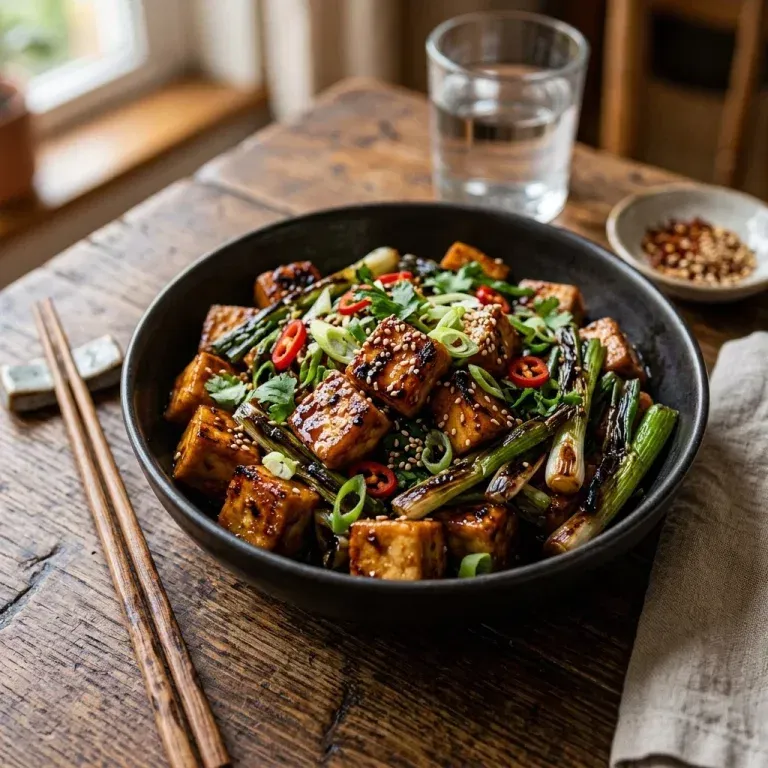
Next up: the emulsion. A peanut sauce is essentially an oil-in-water emulsion. Peanut butter contains natural emulsifiers like lecithin that want to bridge the gap between fat and liquid. However, if you just dump everything in a bowl and stir lazily, you’ll get a grainy, oily mess. Use hot water to lower the viscosity of the fats, and whisk vigorously. This shear force breaks the oil into microscopic droplets, which are then coated by the emulsifiers, preventing them from recombining. The result is a glossy, stable sauce that clings to your noodles like a second skin.
Check your noodle starch too. Whether you're using rice noodles or wheat, the goal is "al dente" to allow for retrogradation: where the starch molecules realign and firm up: preventing the noodles from turning into a soggy pile when they meet the warm sauce. This is the secret to quick family meals that don't taste like cafeteria leftovers.
Variations: Modular Flavor Engineering
Cooking is essentially a series of swaps once you understand the framework. If you want to lean into healthy dinner ideas, swap the traditional wheat noodles for zucchini noodles or spaghetti squash. Just remember that these vegetables release water when heated, which can break your beautiful emulsion. To prevent this, salt your "zoodles" beforehand to draw out the moisture via osmosis, then pat them dry.
For a heat profile change, look at your acidity. While lime juice is the classic brightener, rice vinegar offers a more fermented, mellow tang that plays well with darker soy sauces. If you’re out of tofu, seared chicken or shrimp work perfectly using the same Maillard principles. The goal is always to balance the "Big Four": salt, fat, acid, and heat. If the sauce feels too heavy, up the acid; if it’s too spicy, add a touch more peanut butter (fat) to coat the tongue and dampen the capsaicin receptors.
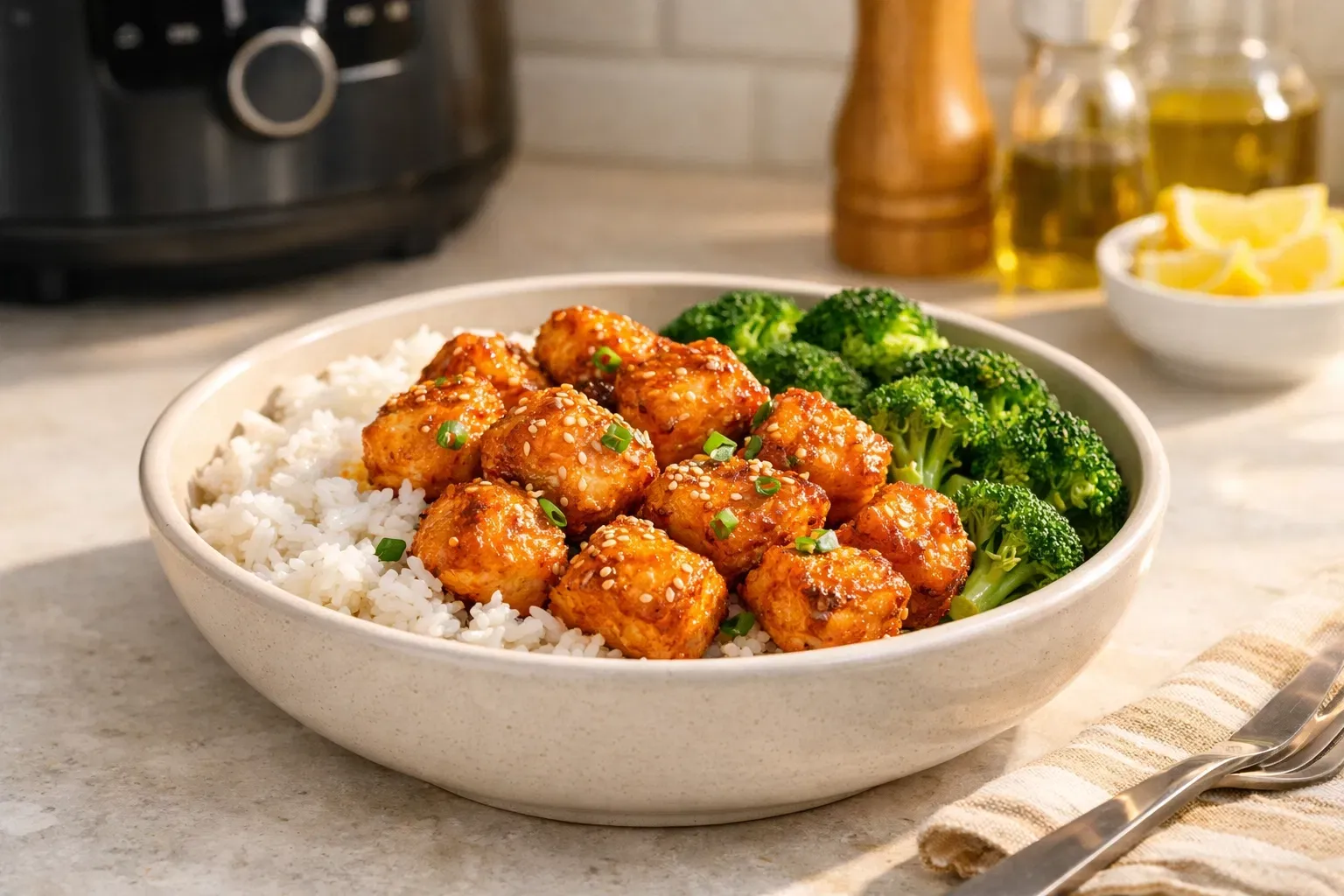
If you're looking for an alternative way to prep your protein without the stovetop splatter, you might explore air fryer recipes dinner enthusiasts swear by. Air frying the tofu at 400°F (200°C) for about 12 minutes provides incredible convection-driven crispness without the need for constant flipping. It’s the ultimate "set it and forget it" move for busy weeknights.
Side Dish Pairings: Managing Palate Fatigue
Because peanut sauce is incredibly rich and fat-forward, your side dishes need to provide a "palate cleanser" effect. Think high acidity and high crunch. A quick-pickled cucumber salad is the gold standard here. The acetic acid in the vinegar cuts right through the peanut fat, while the cool temperature of the cucumbers provides a structural contrast to the warm noodles.
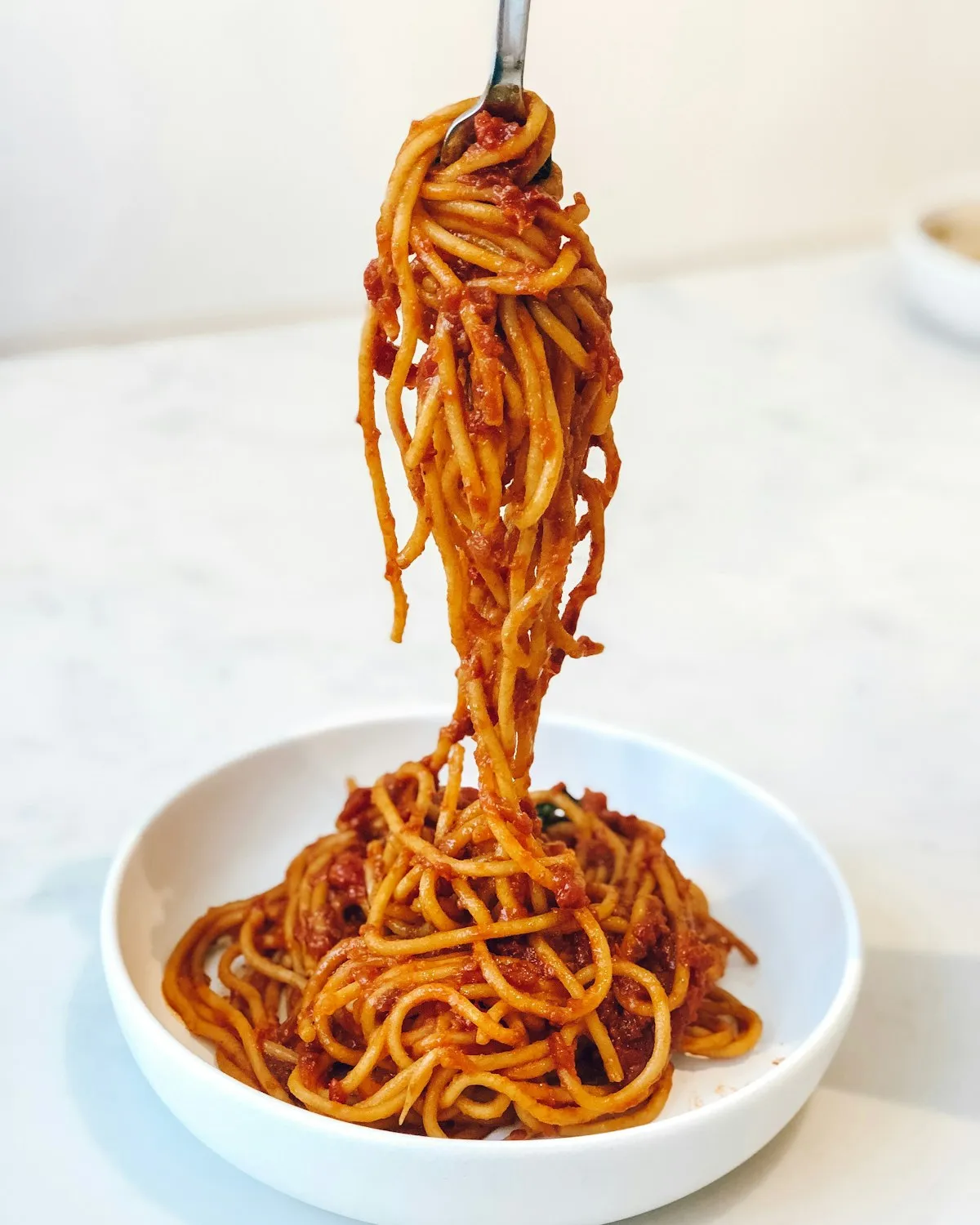
You can also lean into bitterness. Charred bok choy or quickly sautéed broccolini provides a sulfurous, earthy counterpoint that keeps the meal from feeling one-dimensional. The slight char on the greens mirrors the browned edges of your tofu, creating a cohesive flavor bridge across the entire plate. For more ideas on achieving that perfect gloss and balance in your pasta dishes, check out my guide on achieving the perfect glossy sauce.
FAQ: Troubleshooting the Science
Why did my peanut sauce turn into a thick, unworkable paste?
This is usually due to "seizing." If you add a small amount of cold liquid to a high-fat nut butter, the solids can clump together before they have a chance to emulsify. Always use hot water and add it gradually. Think of it like making a ganache; you’re looking for that moment where the friction and heat create a smooth, unified phase.
Can I make this ahead of time?
You can, but the starch in the noodles will continue to absorb moisture as it sits, which may cause the sauce to thicken significantly. If you’re prepping this for quick family meals later in the week, store the sauce and the noodles/tofu separately. When reheating, add a tablespoon of hot water to the sauce to re-emulsify it and bring back that glossy sheen.
My tofu is sticking to the pan. What happened?
This is a classic failure of the Leidenfrost effect or simply a lack of surface temperature. If your pan isn't hot enough, the proteins in the tofu will bond with the metal of the pan rather than searing. Ensure your oil is shimmering (but not smoking) before adding the tofu. Once it’s in, don't touch it! Let that Maillard crust form completely; the tofu will naturally "release" from the pan once the surface proteins have denatured and browned.
Is this dish actually healthy?
If you're focusing on healthy dinner ideas, this dish hits the mark with high-quality plant-based protein and healthy fats from the peanuts. To optimize the nutritional profile, load up on the veggie-to-noodle ratio. Use more bell peppers, shredded carrots, and snap peas to increase the fiber content and lower the glycemic load of the meal.
What if I don't have an air fryer?
No problem at all. While air fryer recipes dinner fans love the speed, a heavy cast-iron skillet is actually superior for heat retention and achieving a deeper, more even sear on the tofu. The physical contact with the hot metal provides a more efficient heat transfer than the hot air of a convection oven.
Why use cornstarch instead of flour?
Cornstarch is pure starch, whereas flour contains protein (gluten). When cornstarch hits the hot oil, it undergoes "gelatinization" and then dehydrates almost instantly, creating a thin, glass-like crispy shell. Flour tends to create a thicker, more "bready" coating that can get soggy once the sauce is applied. Stick to cornstarch for that specific "shatter" crunch that contrasts so well with the creamy sauce.
If you’re looking to expand your technical repertoire with other high-heat, high-efficiency proteins, you might want to see how we handle air fryer sausage and peppers for another masterclass in quick-turnaround flavor. Keep experimenting with the variables, and remember: cooking isn't magic, it's just chemistry you can eat.