Recipe
Servings
Servings 1×
Ingredients
- Rice
- Bread
- Onion
- Cooking oil
Method
- Prepare the ingredients described in the article and heat the cooking surface or oven as directed.
- Cook the main ingredients using the heat and timing guidance in the article.
- Finish with the seasonings and garnishes named in the article, then serve.
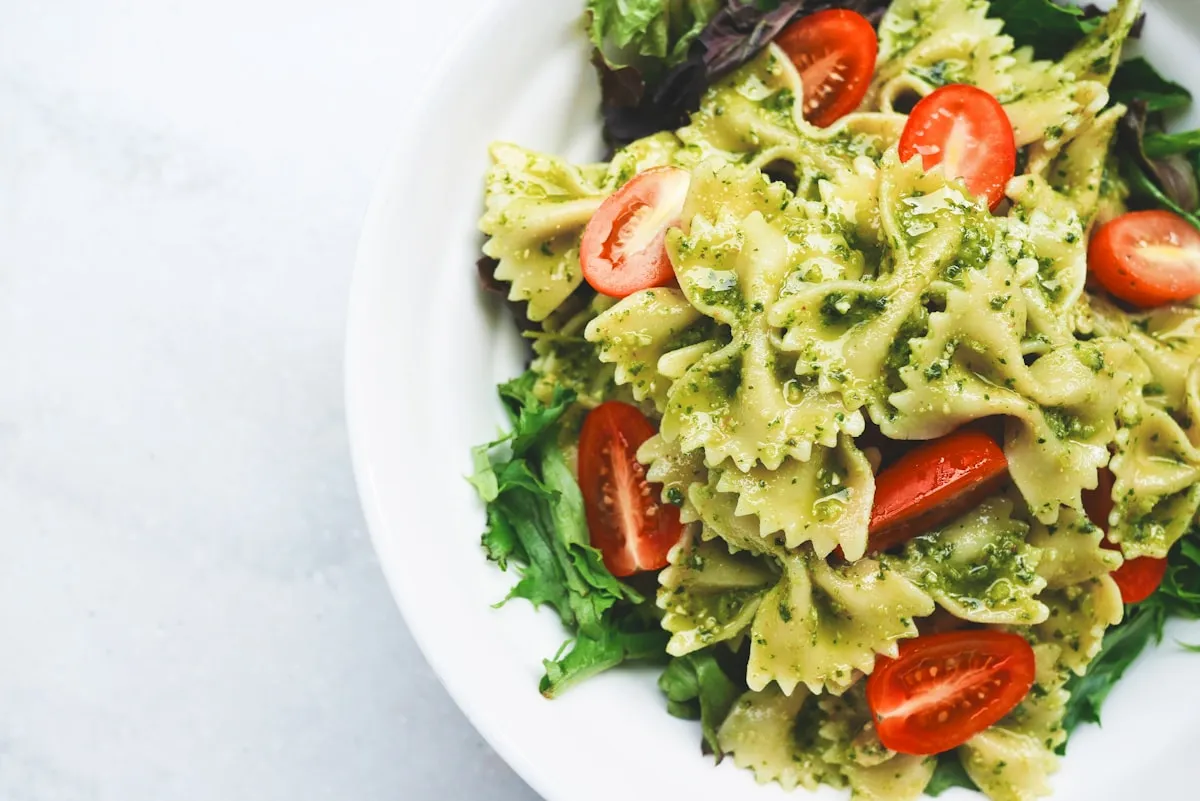
If you are tired of juggling three different pans just to get a decent dinner on the table, you have come to the right place. I am a massive fan of one pot meals because they prove that flavor doesn't have to equal a mountain of dishes. This Mediterranean farro with roasted peppers is my current obsession. It is nutty, chewy, and packed with that jammy sweetness you only get from perfectly caramelized peppers. It is simple enough for a Tuesday but fancy enough to serve when friends drop by unexpectedly.
The Science of the Grain: Why Farro Wins
Before you dump everything into the pot, you need to understand your grain. Farro is an ancient wheat grain that comes in three main forms: pearled, semi-pearled, and whole. For this recipe, stick to pearled or semi-pearled. Why? Because the science of hydration is your best friend here. Pearled farro has had its bran removed, allowing water to penetrate the grain much faster. If you use whole farro, you will be waiting an hour for the starch granules to gelatinize, and by then, your peppers will have turned into a sad mush.
Check your packaging carefully. Pearled farro usually takes about 20 minutes to reach that perfect "al dente" state where the protein network has relaxed enough to be chewable but hasn't collapsed into a porridge. Use a 1:3 ratio of grain to liquid as your baseline. Remember that farro doesn't release starch quite as aggressively as arborio rice, so you won't get a risotto-like creaminess unless you encourage it. To do that, give the grains a vigorous stir toward the end of the cooking process to knock some of those starch molecules loose into the remaining liquid.
Harnessing the Maillard Reaction
Do not rush the initial sauté. When you toss your peppers and onions into the oil, you are looking for more than just "soft." You want the Maillard reaction: that magical chemical dance between amino acids and reducing sugars that creates deep, savory, and toasty flavors. This is how you achieve a "roasted" profile without actually turning on the oven. Keep the heat medium-high and let the vegetables sit for a minute or two without stirring. You want those brown edges.
Once your vegetables are caramelized, toast the dry farro in the same pot for two minutes before adding any liquid. This step is a non-negotiable coaching tip from me to you. Toasting the grain drives off surface moisture and initiates its own Maillard browning, heightening the natural nuttiness of the wheat. It is the secret to making quick family meals taste like they took all afternoon. When you finally add your stock, the liquid will dissolve all those browned bits (the fond) from the bottom of the pot, incorporating that concentrated umami directly into every grain of farro.
Variations for the Modern Table
If you are looking for healthy dinner ideas that fit into a busy schedule, this base recipe is incredibly flexible. While the peppers provide the sweetness, you can easily pivot the flavor profile by swapping the aromatics. For a more Greek-inspired dish, fold in some chopped Kalamata olives and a handful of fresh spinach during the last two minutes of simmering. The residual heat will wilt the spinach perfectly without making it slimy.
For those who need a bit more protein, top the finished pot with some pan-seared halloumi or even a few spoonfuls of canned chickpeas for a plant-based boost. If you are not strictly vegetarian, a bit of crumbled chorizo added during the initial sauté will release spicy oils that the farro will soak up greedily. This dish also makes for one of the best quick family meals when you have leftover rotisserie chicken in the fridge; just shred it and toss it in at the very end to warm through.
Balancing the Plate: Side Dish Pairings
Because this farro dish is quite hearty and rich with roasted notes, you need acidity and crunch to balance it out. A simple arugula salad with a sharp lemon vinaigrette is usually my go-to. The peppery bite of the greens cuts right through the starch of the farro.
If you want to keep the kitchen cool, look into air fryer recipes dinner enthusiasts swear by, such as crispy zucchini fries or lightning-fast roasted broccoli. A bit of charred broccoli with a dash of red pepper flakes offers a great textural contrast to the chewy farro. You can find some inspiration for vegetable medleys on our guide to air fryer sausage and pepper medleys, which uses similar flavor profiles to complement a one-pot grain dish.
One-Pot FAQ: Troubleshooting Your Farro
Why is my farro still crunchy after the timer went off?
This usually comes down to one of two things: age or acid. Older grains lose moisture over time and can take significantly longer to hydrate. Alternatively, if you added very acidic ingredients like lemon juice or wine too early, it can actually toughen the outer layer of the grain and slow down the softening process. Always add your bright acids at the very end. To fix crunchy farro, add another quarter cup of water, pop the lid back on, and give it another five minutes on low heat.
Can I use brown rice instead of farro?
You can, but the cooking times and liquid ratios will change significantly. Farro is unique because of its high protein content and sturdy bran, which allows it to hold its shape better than most rice varieties in one pot meals. If you must use rice, stick to a long-grain variety and reduce the liquid slightly to avoid a mushy mess.
My farro is swimming in liquid: did I ruin it?
Not at all. If the grains are tender but there is still too much liquid in the pot, take the lid off and turn the heat up slightly. Stir frequently. This will evaporate the excess water while allowing the starch to thicken what remains into a glossy sauce. For more on achieving that perfect sauce consistency, check out our tips on achieving the perfect glossy sauce in other one-pot dishes.
How do I store and reheat leftovers?
Farro is actually one of the few grains that tastes better the next day. The grains continue to absorb flavor as they sit. Store it in an airtight container for up to four days. When reheating, add a splash of water or stock to loosen it up, as the starch will have tightened in the fridge. If you’re in a rush, a quick blast in the microwave with a damp paper towel over the bowl will do the trick without drying out the peppers.
What if I can't find roasted peppers in a jar?
Make your own! While we love the speed of jarred peppers, you can char fresh bell peppers directly over a gas flame or under the broiler until the skin is black and blistered. Place them in a bowl covered with plastic wrap for ten minutes to steam, then peel away the skin. This adds a level of smokiness that takes this dish from a "healthy dinner idea" to a gourmet experience.