Recipe
Servings
Servings 1×
Ingredients
- Orzo
- Pasta
- Noodles
- Rice
- Tomatoes
- Cream
- Hard cheese
- Cooking oil
Method
- Prepare the ingredients described in the article and heat the cooking surface or oven as directed.
- Cook the main ingredients using the heat and timing guidance in the article.
- Finish with the seasonings and garnishes named in the article, then serve.
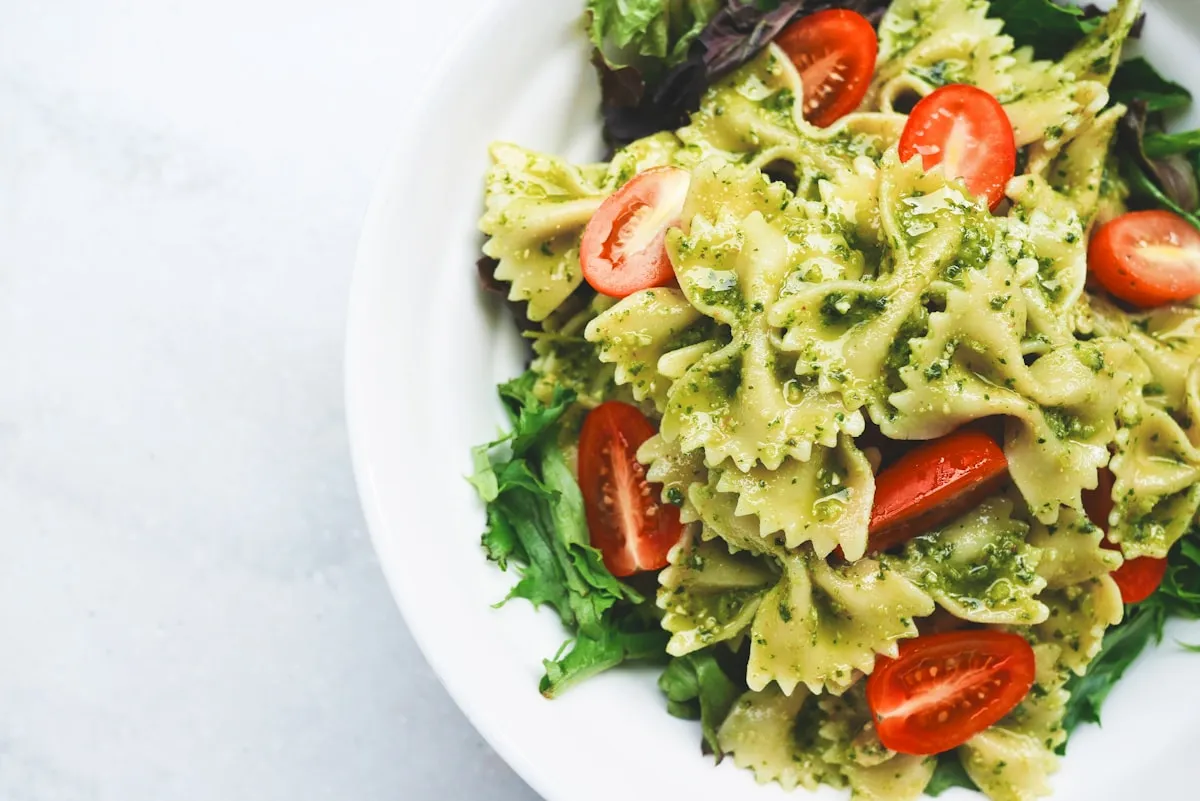
There is a specific kind of magic that happens when you stop treating pasta water like waste and start treating it like liquid gold. If you’ve been drained by the standard "boil, strain, and sauce" routine, my one-pot creamy sun-dried tomato orzo is about to change your Tuesday nights forever. It’s the ultimate kitchen hack: a dish that tastes like a labor-intensive risotto but requires about a quarter of the effort. We’re leaning into the physics of starch and the chemistry of fat to create a glossy, restaurant-quality emulsion right in a single pan.
The Science of the Simmer: Starch and Emulsification
To master one pot meals, you have to understand that you aren't just cooking pasta; you’re building a sauce from the ground up. In a standard pasta dish, you boil the noodles in a massive vat of water, effectively washing away the very thing that makes a sauce cling: the starch. When you cook orzo: a tiny, rice-shaped pasta made from durum wheat: directly in its final sauce, you trap every single molecule of amylose and amylopectin in the pot.
As the liquid heats up, the starch granules in the orzo absorb water, swell, and eventually burst. This process, known as starch gelatinization, turns your cooking liquid into a viscous, silky base. But starch is only half the battle. To get that velvet-on-the-tongue feel, we need an oil-in-water emulsion. The oil from your sun-dried tomatoes and the fats from your cream or Parmesan want to separate from the water-based broth. By stirring frequently, you use the released starch as a stabilizer. It coats the fat droplets, preventing them from merging back together. The result? A sauce that is creamy, not greasy.
Don't skip the toasting phase. Before adding any liquid, you must sauté the dry orzo in a bit of oil. This triggers the Maillard reaction: a chemical dance between amino acids and reducing sugars. You’ll notice the orzo turn from a pale cream to a toasted gold, emitting a nutty aroma. This doesn't just add a layer of complexity to the flavor; it also subtly alters the surface of the pasta so it maintains a bit of "al dente" bite even as it sits in the creamy sauce. Use a heavy-bottomed pan for this. A thin pan will give you hot spots that scorch the starch before it can gelatinize, leaving you with a burnt mess. Check the bottom of the pan often as you stir to ensure nothing is sticking.
Variations: Flipping the Flavor Profile
The beauty of easy dinner recipes is their flexibility. Once you understand the starch-to-liquid ratio, you can swap ingredients to suit your mood or your pantry. If you want to lean into healthy dinner ideas, try stirring in a massive pile of shredded zucchini halfway through the cooking process. Zucchini is roughly 95% water, which will release into the pot as it breaks down. You’ll need to slightly reduce your added broth to compensate, but the pectins and soluble fibers in the zucchini will actually enhance the creaminess without adding extra heavy dairy.
For a protein boost, seared chicken thighs or shrimp work beautifully. If you choose chicken, sear it first in the pot to develop a deep "fond" (those brown bits on the bottom). Remove the chicken, toast your orzo in those flavorful juices, and then nestle the chicken back in for the final five minutes of simmering. For a vegan-friendly version, swap the heavy cream for full-fat coconut milk and use nutritional yeast instead of Parmesan. The natural emulsifiers in coconut milk play incredibly well with the pasta starch, creating a richness that rivals any dairy-based version.
Side Dish Pairings for Perfect Balance
Because this orzo is rich, salty, and deeply savory, your side dishes need to provide a high-contrast relief. Think about acidity and crunch to cut through the emulsified fats. A simple arugula salad with a sharp lemon vinaigrette is my go-to. The peppery bite of the arugula and the citric acid of the lemon act as a palate cleanser, making each bite of the creamy orzo feel as fresh as the first.
If you’re looking for something warm, roasted cruciferous vegetables are the answer. Charred broccolini or air-fried Brussels sprouts provide a structural crunch that the soft orzo lacks. In fact, many of our favorite air fryer recipes dinner sides work perfectly here because they provide that high-heat crispness without adding more moisture to your plate. Avoid heavy, starchy sides like potatoes; you’ve already got plenty of starch in the main event. Stick to greens that offer a bit of bitterness to balance the sweetness of the sun-dried tomatoes.
FAQ: Troubleshooting Your One-Pot Wonders
Why did my sauce turn out gummy instead of creamy?
Gumminess usually happens for one of two reasons: either you didn't use enough liquid, or you overcooked the pasta. When orzo is overcooked, the starch molecules break down too much, creating a "gluey" texture. Always aim to pull the pot off the heat when the orzo is just al dente. The residual heat will continue to thicken the sauce as it sits. If it still looks too thick, whisk in a tablespoon of hot broth or water to loosen the emulsion.
Can I use fresh tomatoes instead of sun-dried?
You can, but the science changes. Sun-dried tomatoes have had their water content removed, concentrating their sugars and glutamates (the stuff that makes things taste "umami"). Fresh tomatoes will release a lot of water as they cook, which can throw off your liquid ratios and make the sauce thin. If you use fresh, sauté them first until they burst and their liquid evaporates before adding the orzo.
My cheese clumped into a ball. What happened?
This is a classic emulsification failure. If you add cold, pre-shredded cheese into a boiling pot, the proteins in the cheese will seize up and shrink, squeezing out the fat and forming a rubbery clump. To avoid this, grate your cheese fresh (pre-shredded cheese is coated in cellulose which prevents melting) and add it off the heat. Stir it in slowly so the residual heat gently melts the cheese into the existing starch-fat emulsion.
How do I reheat this without it becoming a dry block?
Because the starch continues to absorb liquid even after it’s refrigerated, leftover orzo will always be thicker the next day. To revive it, do not just microwave it as-is. Add a splash of water or milk and heat it gently on the stove over low heat, stirring constantly to re-emulsify the sauce. This is one of those quick family meals that actually tastes better the next day once the flavors have fully melded, provided you hydrate it properly during the reheat!
For more tips on mastering the art of the stove, check out our guide on achieving the perfect glossy sauce or explore our other one-pot wonders. Keep experimenting with those starch ratios( your perfect dinner is only one pot away!)